2023 · LEAD DESIGNER
Grandstand
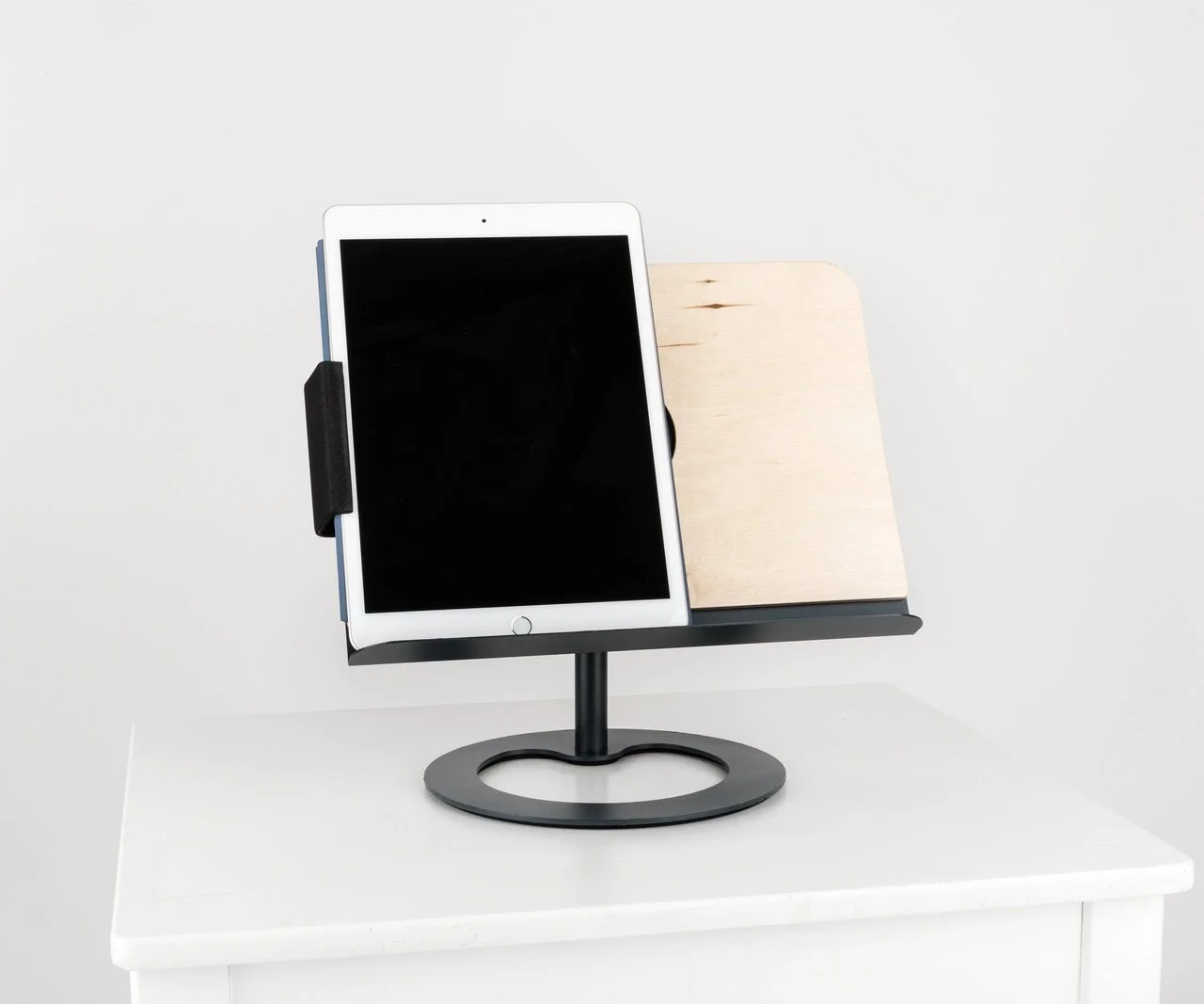
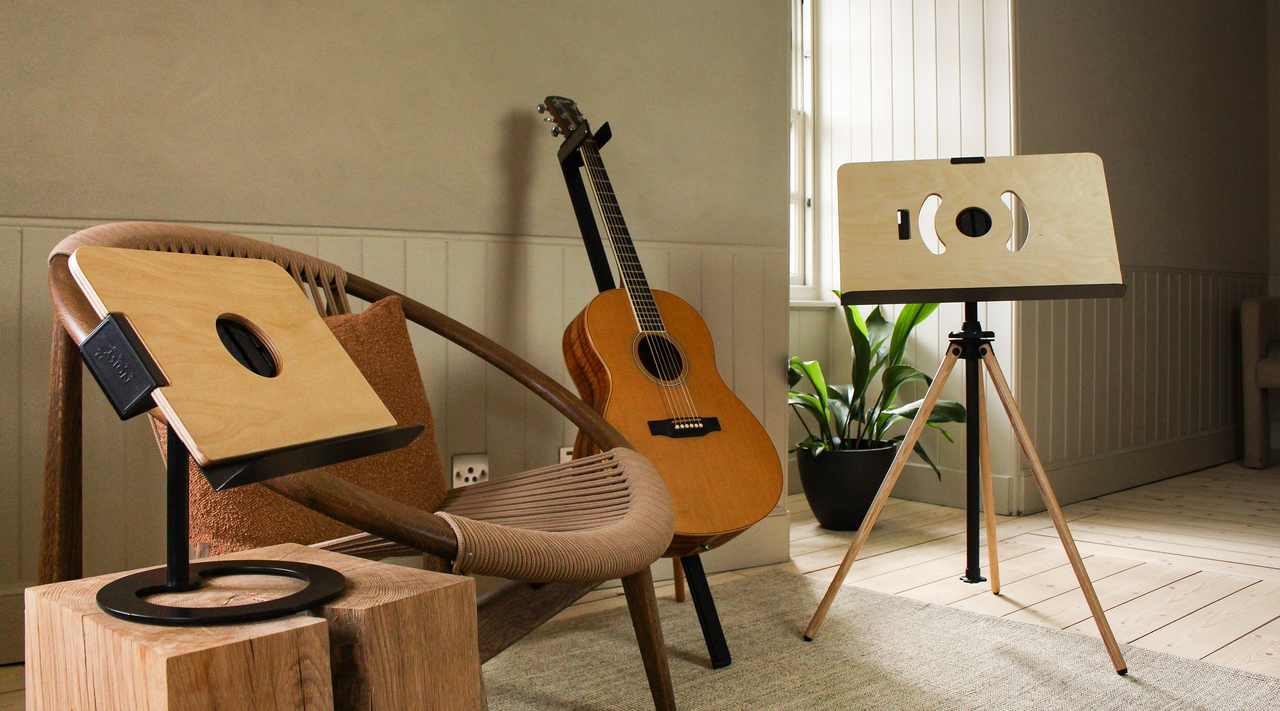
The Beautiful Music Stand
Quick Facts
Successfully funded on Kickstarter ($170k+)
End-to-end development from brief through manufacture and delivery
Visited and selected manufacturers in China
Designed across welded sheet metal, overmolded and injection molded plastics, and machined wood parts
Defined brief, incorporated user feedback, and set aesthetic direction
Prepared patent drawings and applied for patent

Opportunity
Music stands haven't meaningfully changed in decades. Meanwhile, how musicians engage with their music has - sheet music, tablets, laptops, and books all live side by side in a modern practice space. And yet most stands are still the same utilitarian black metal tripod, designed to disappear rather than belong.
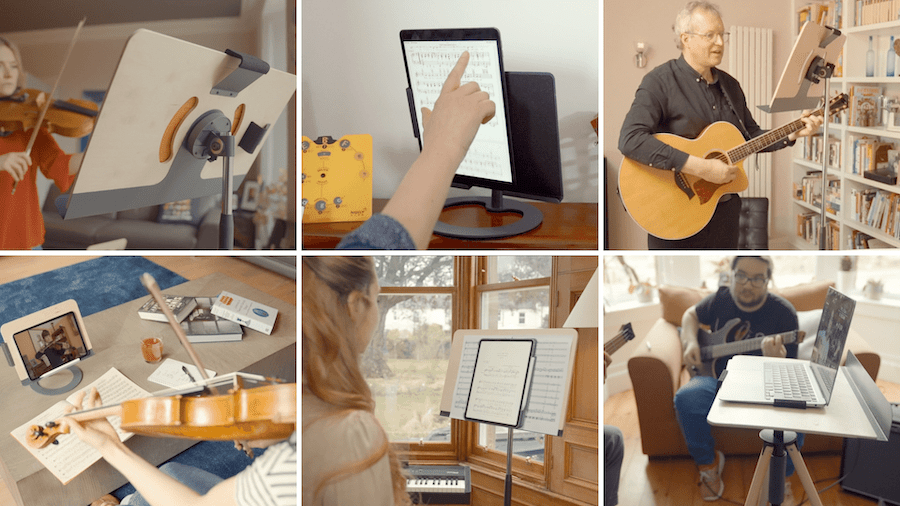
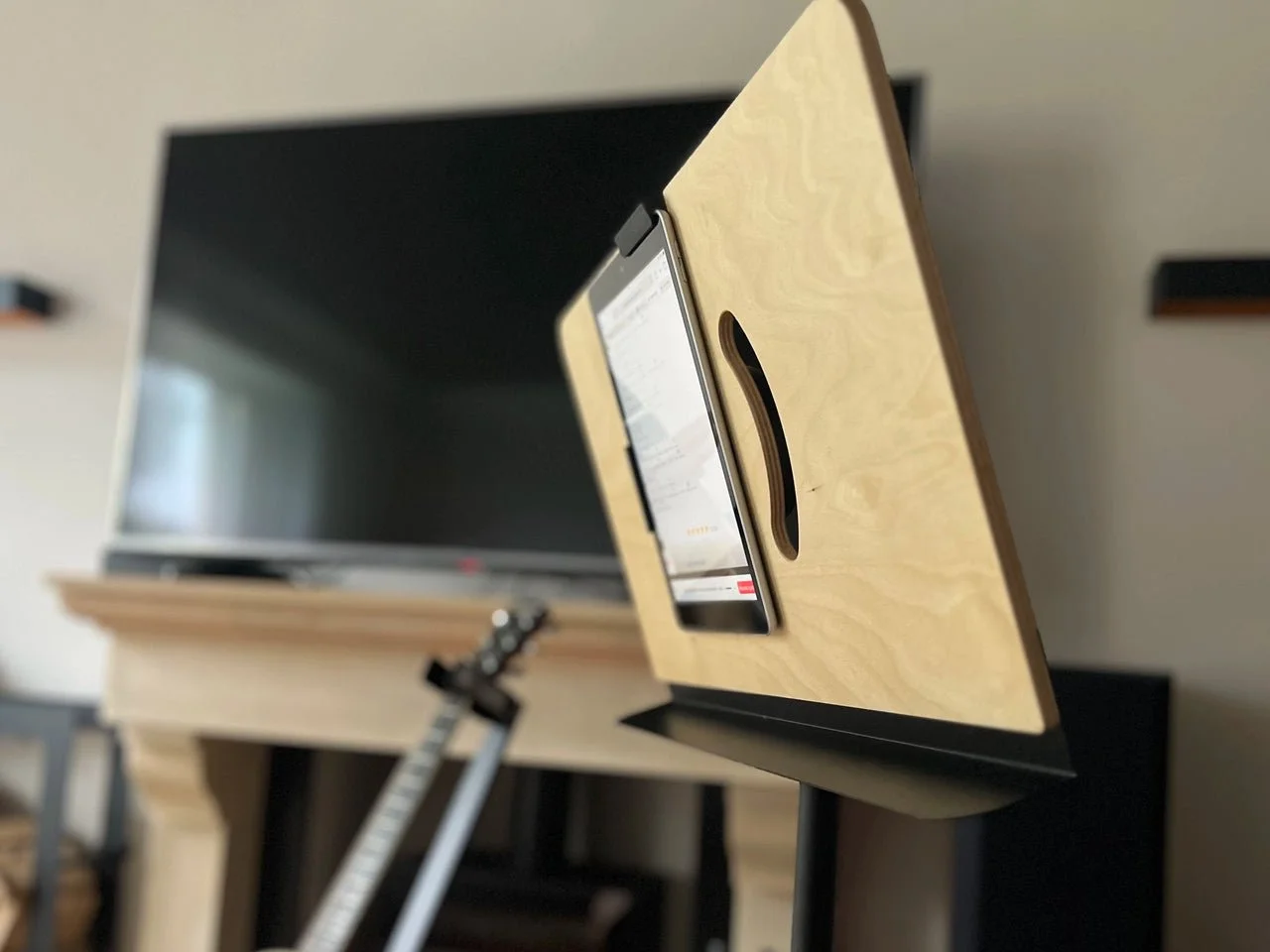
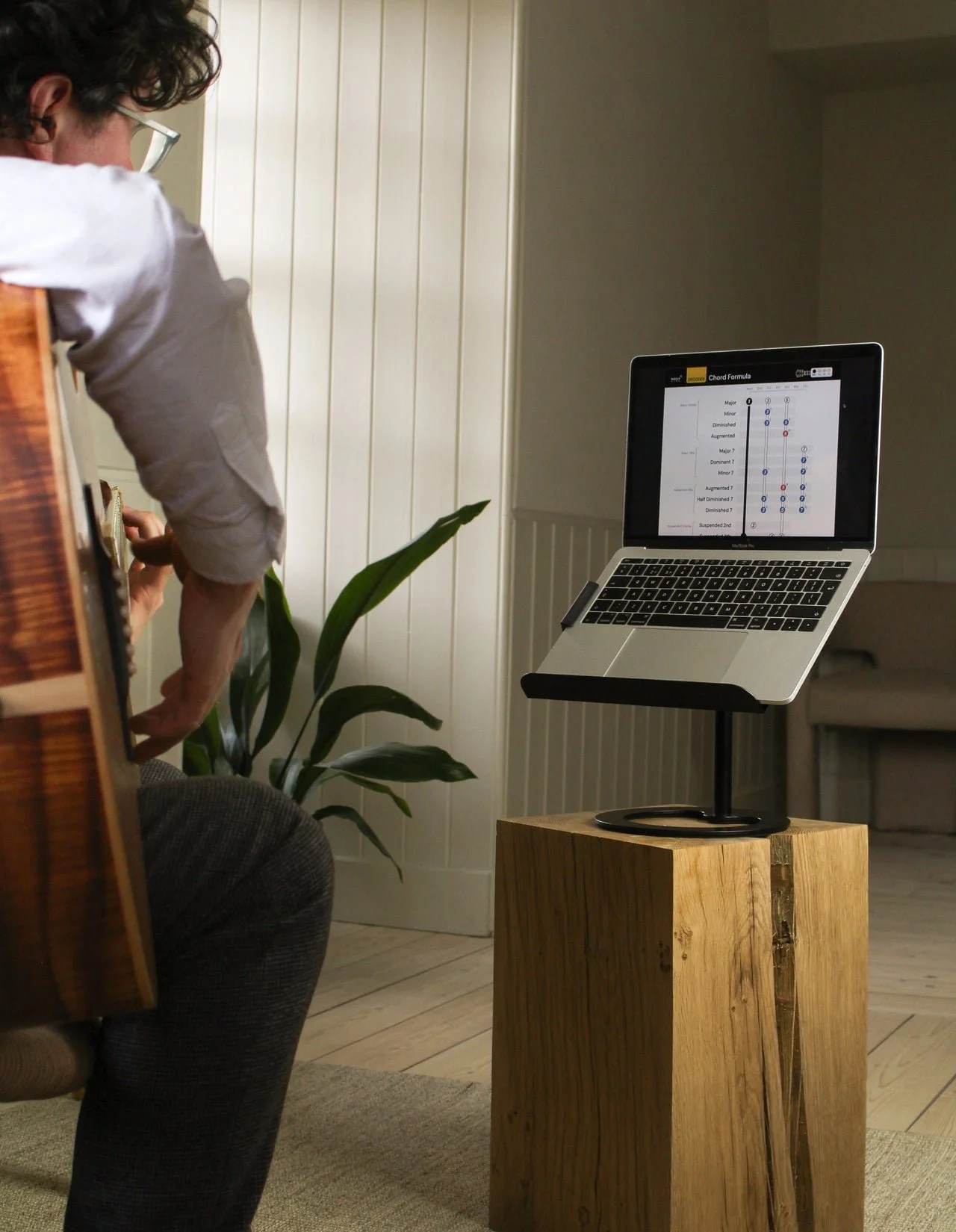
Grandstand started from a different premise: a stand worthy of sitting alongside a beautiful instrument. One that could adapt to how a musician actually plays - at a desk or at full standing height, with traditional sheet music or a tablet - without compromising on the aesthetic that makes it worth displaying in the first place.
Brief
Display-Worthy Design
Modular Media System
Tabletop to Concert Height
Display-Worthy Design
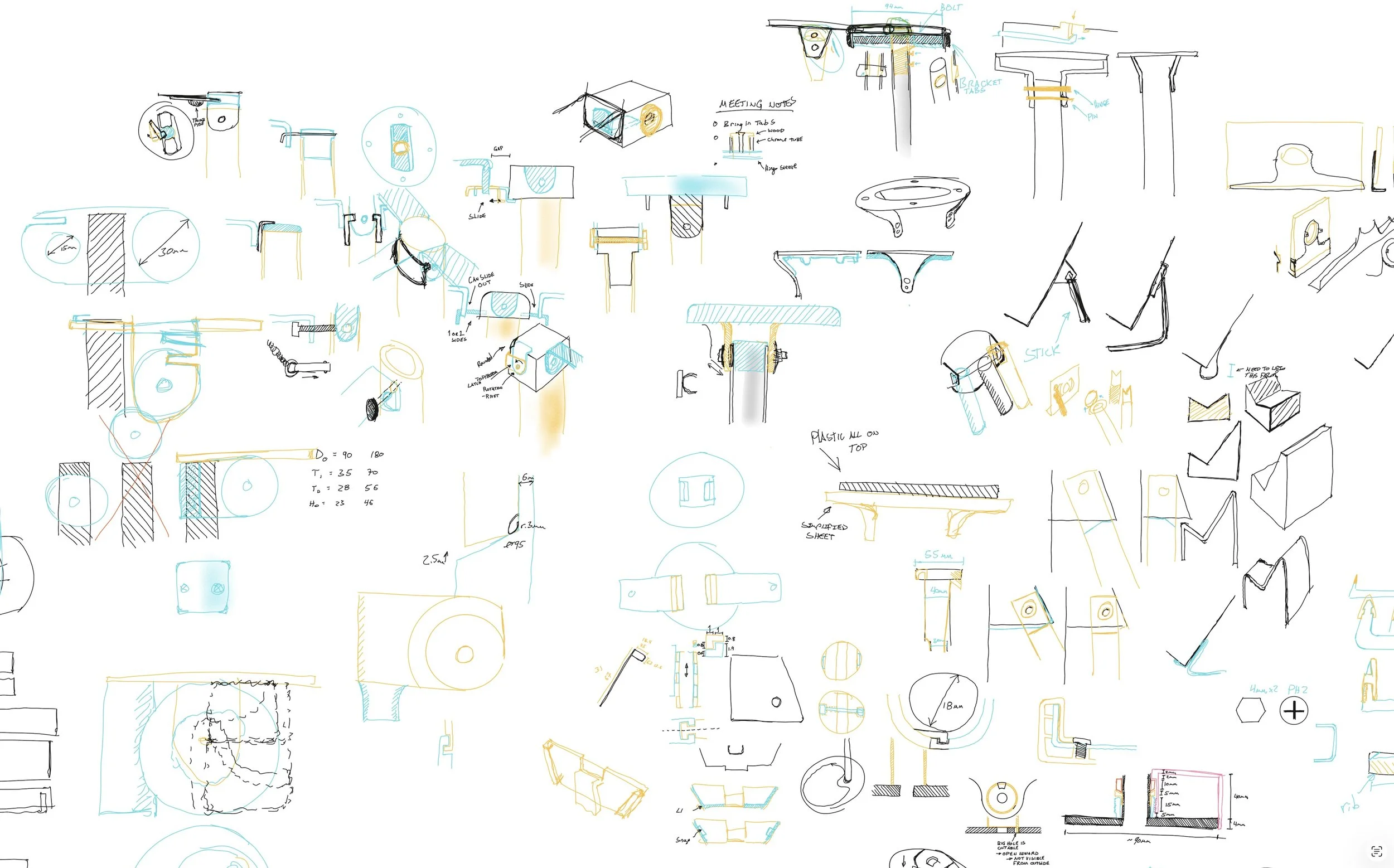
The earliest explorations pushed for something distinctive - including a fold-flat architecture that worked well enough mechanically to patent and develop. But the structural compromises required to make it fold undermined the stability that a home stand needs. I made the decision to abandon that direction and refocus on the in-home use case.
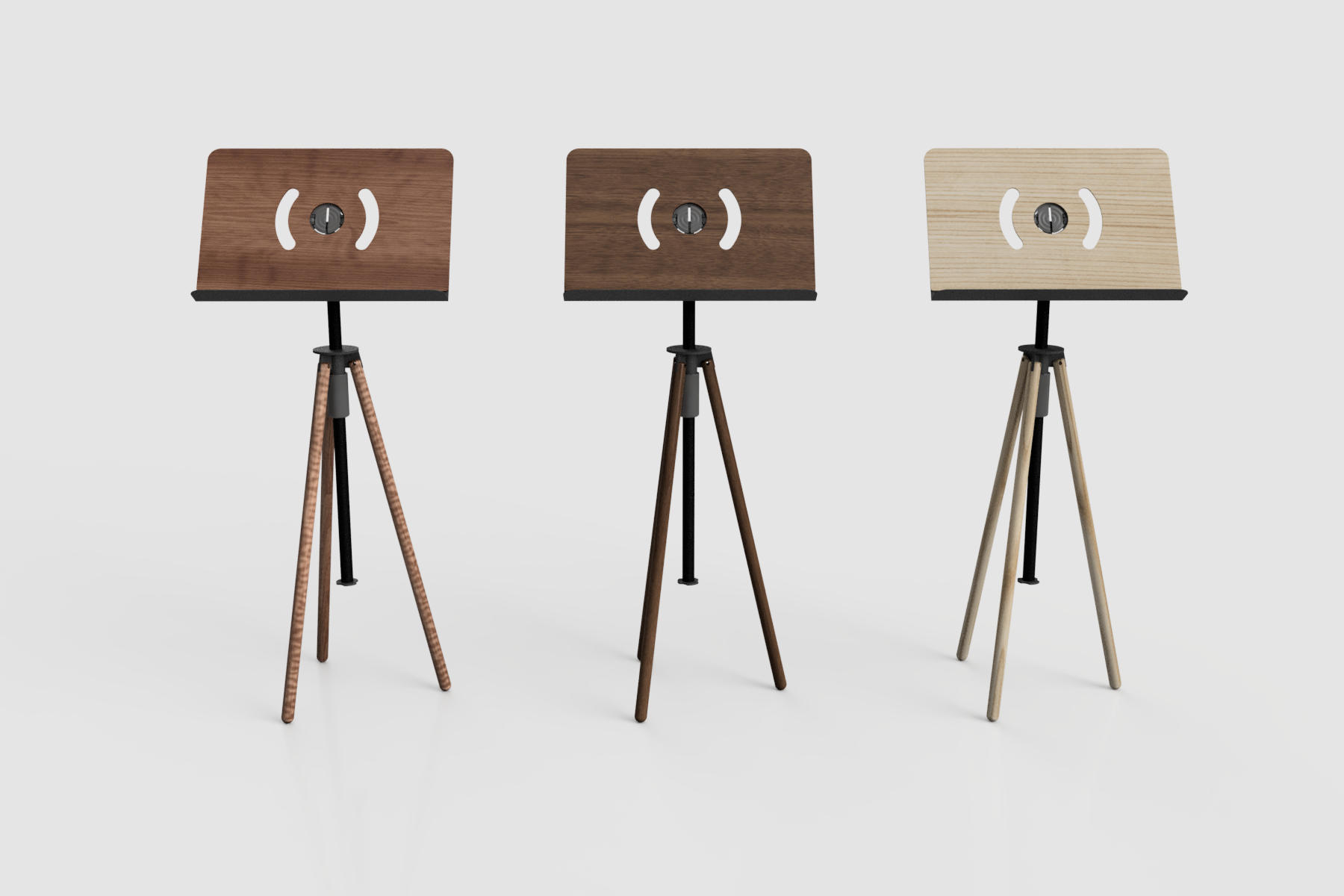
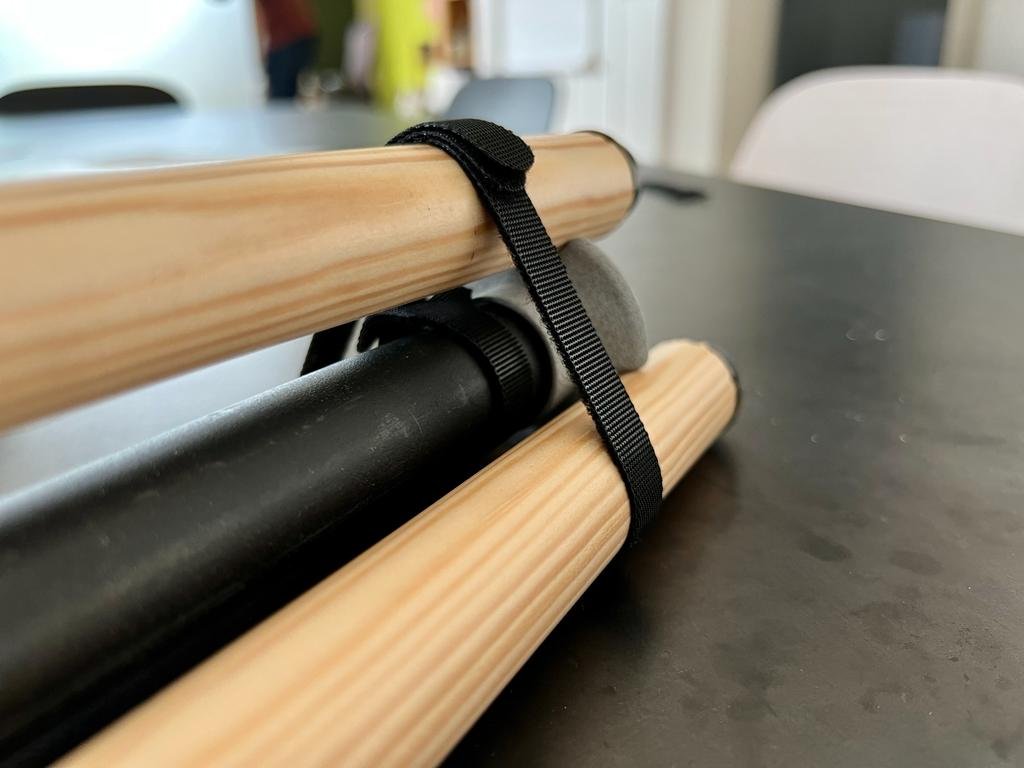
The result was a tripod - wood legs rather than metal kept the aesthetic consistent throughout, and the three-point base delivered and visual communicated stability.
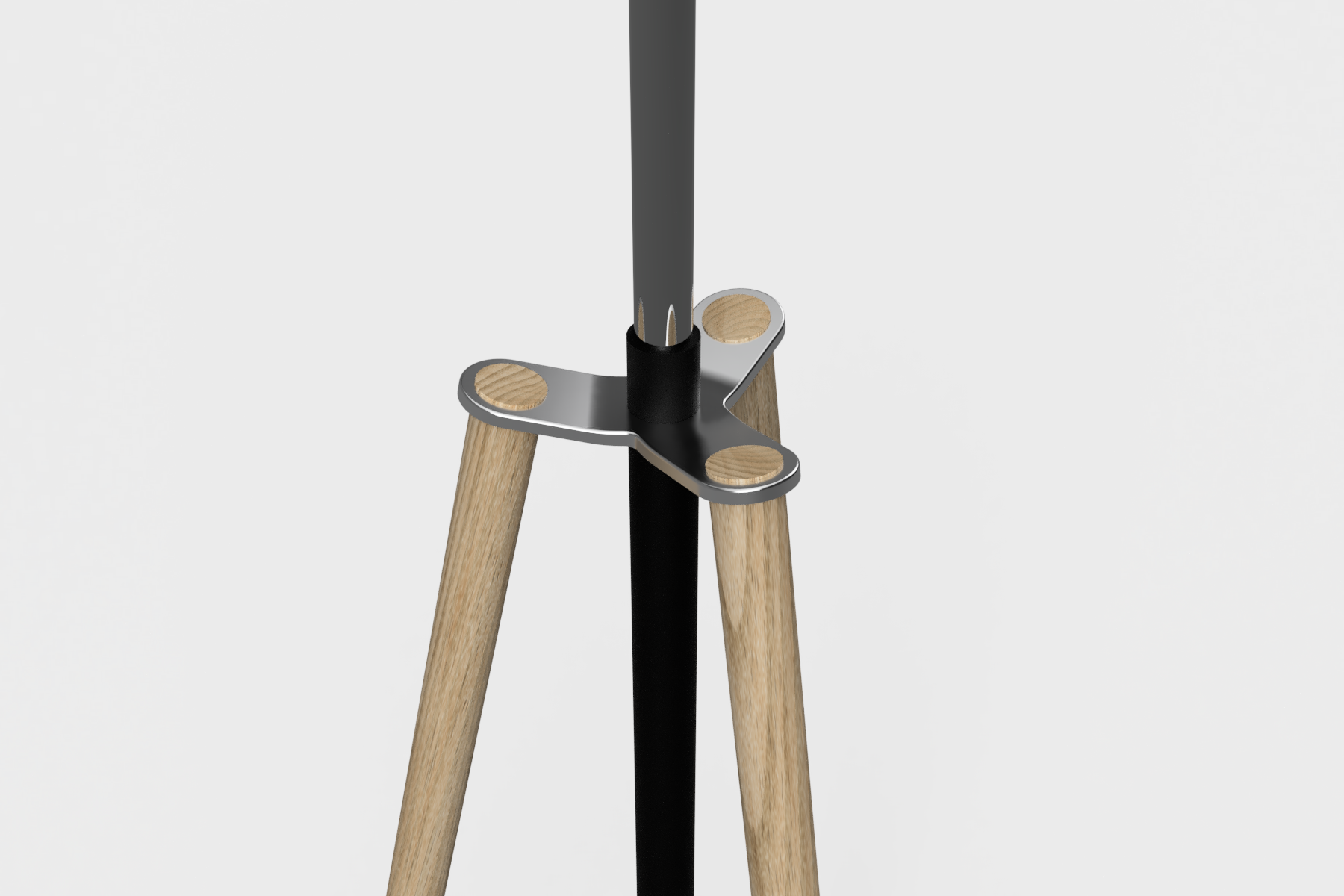
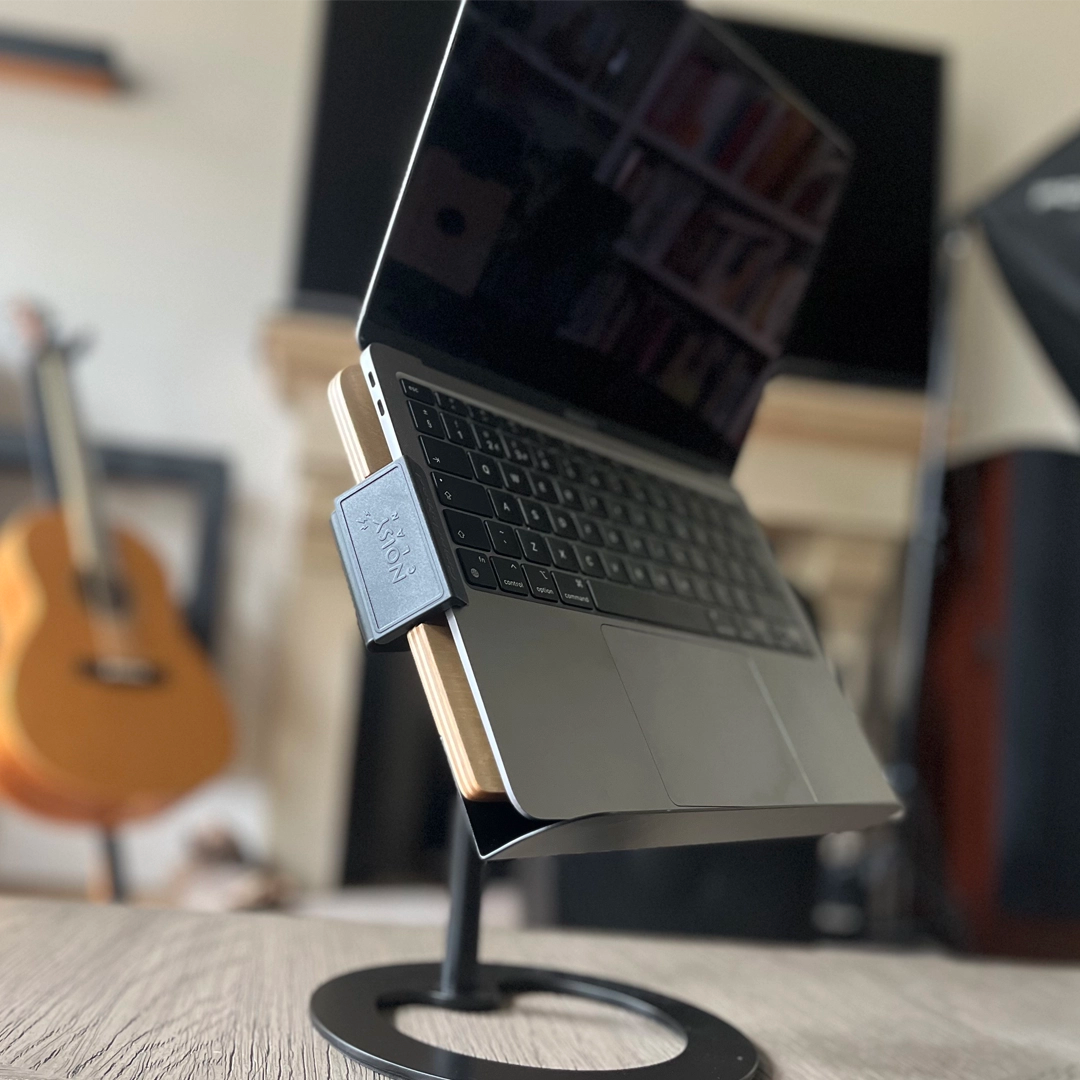
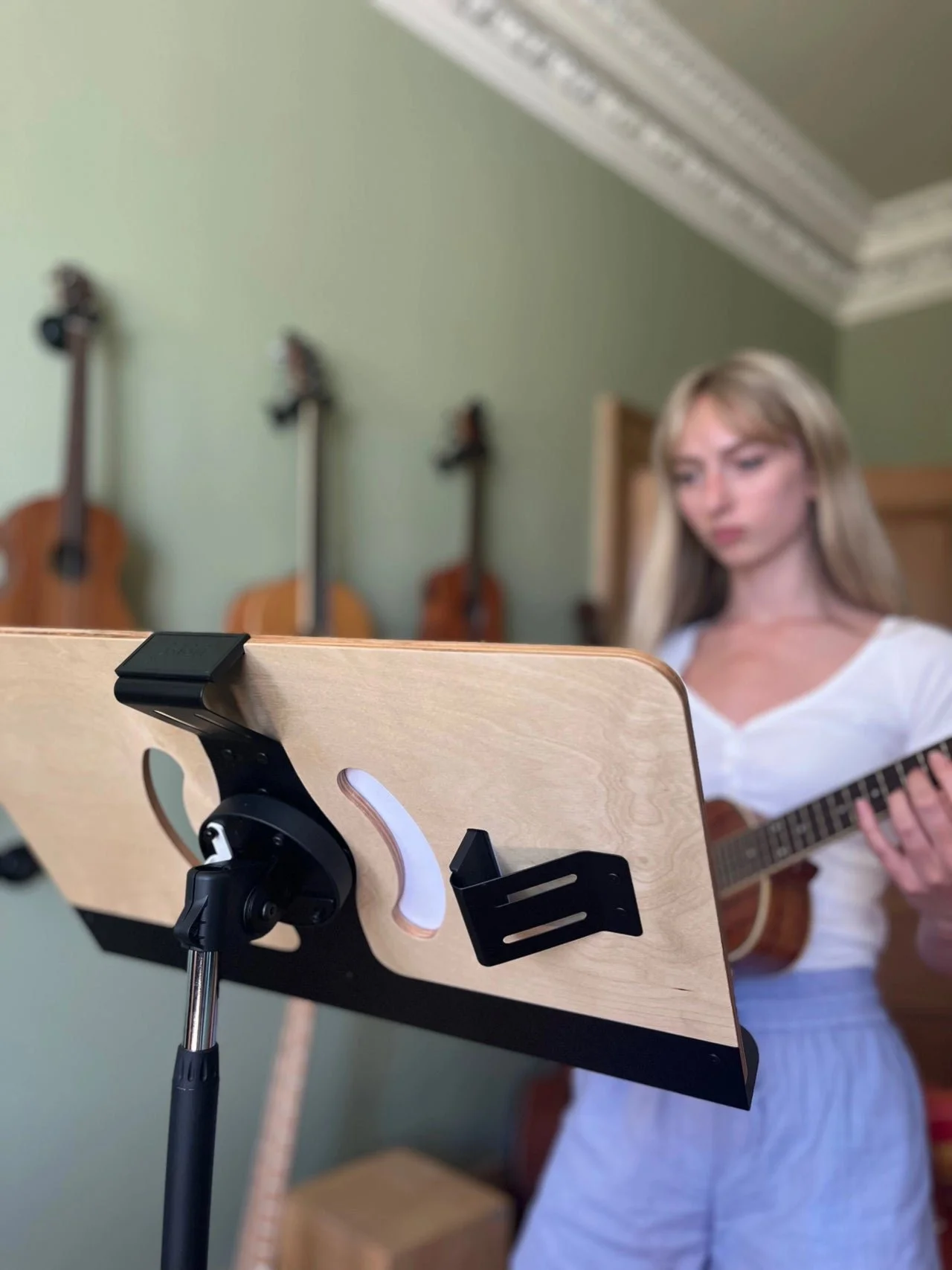
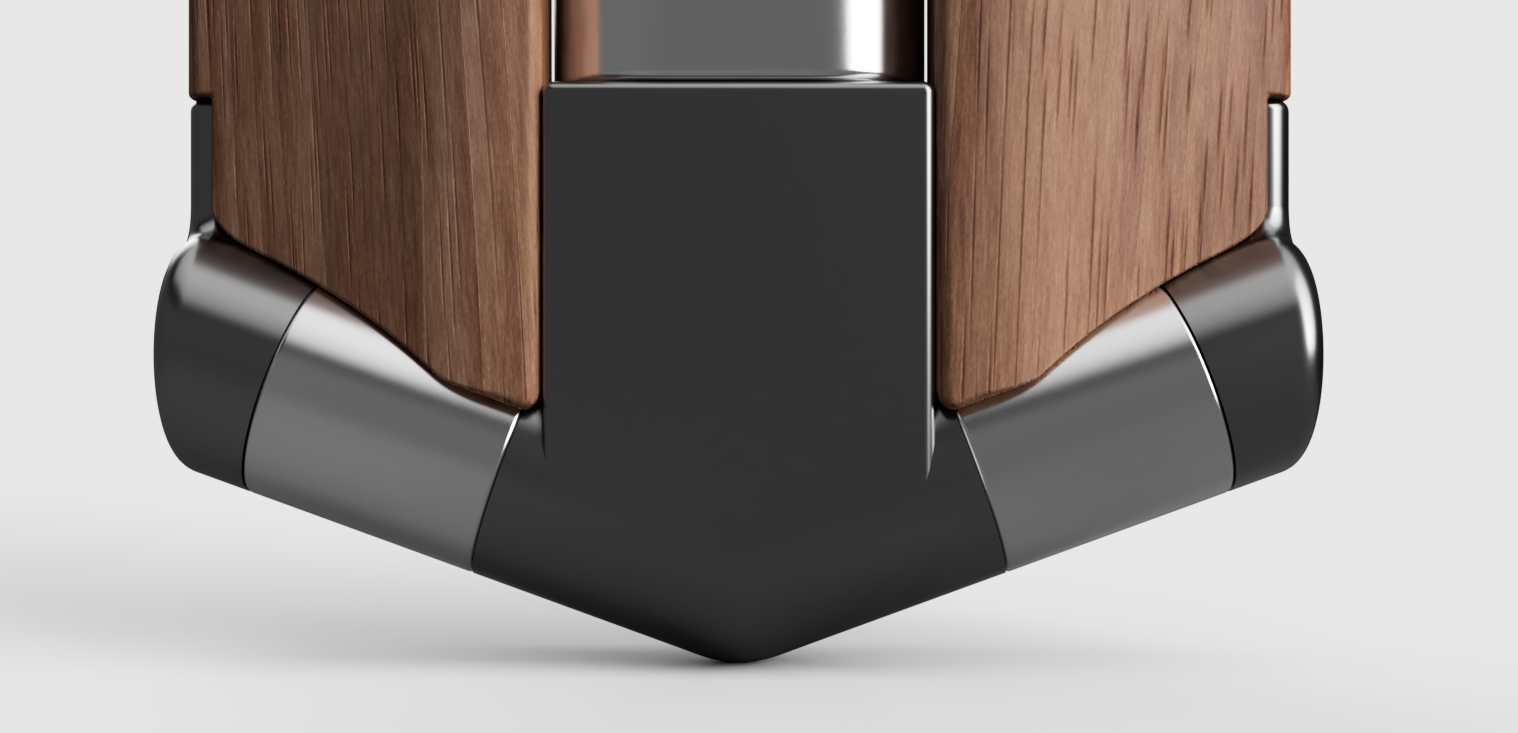
The visual signature of the final design is the wood and metal relationship. Precision-machined inlays seat the metal swapping mechanism and plate lip flush into the Baltic birch, and the legs meet the central twist-lock joint with the same considered detailing.
Early material and form exploration - fold-flat architecture, later set aside for stability
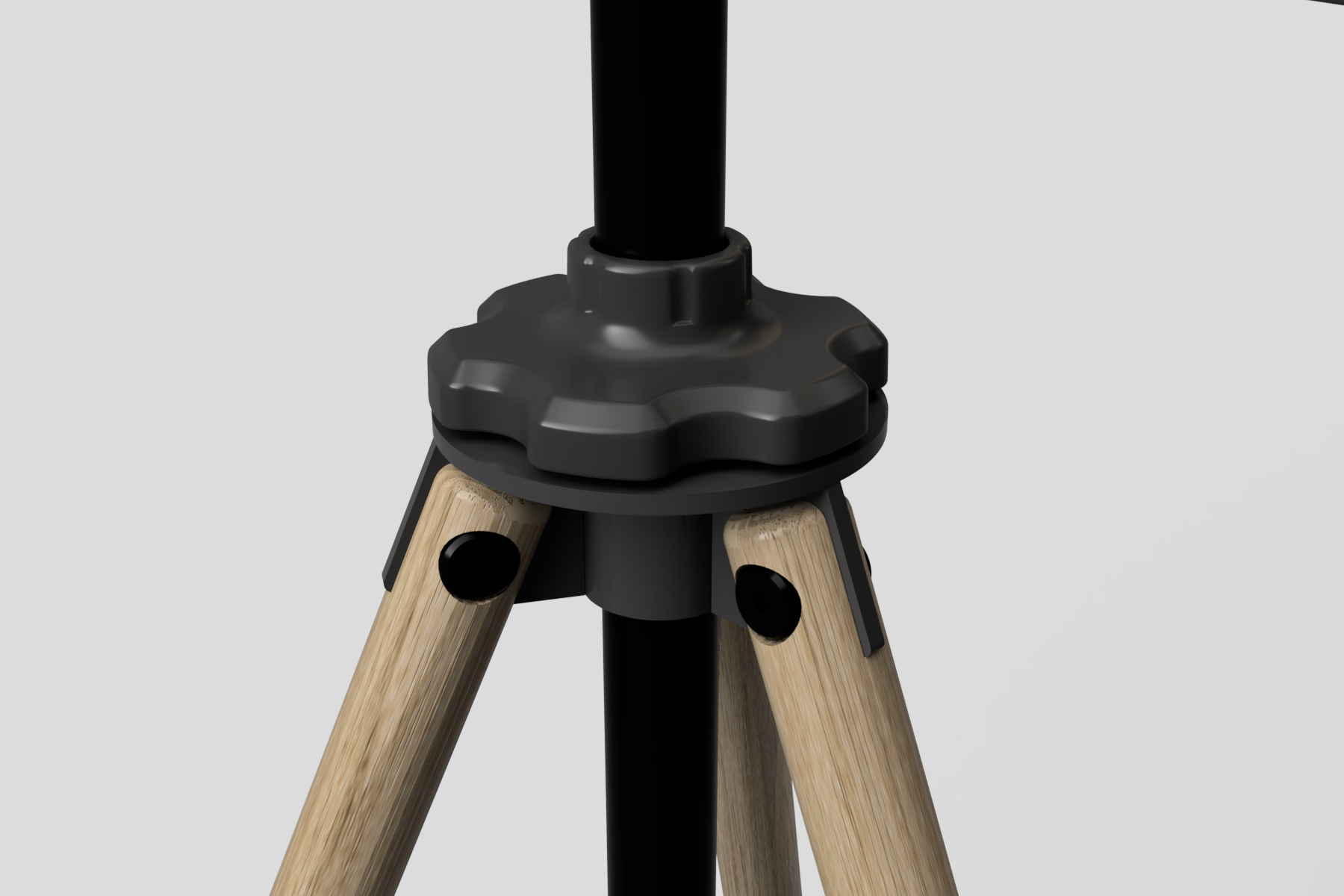
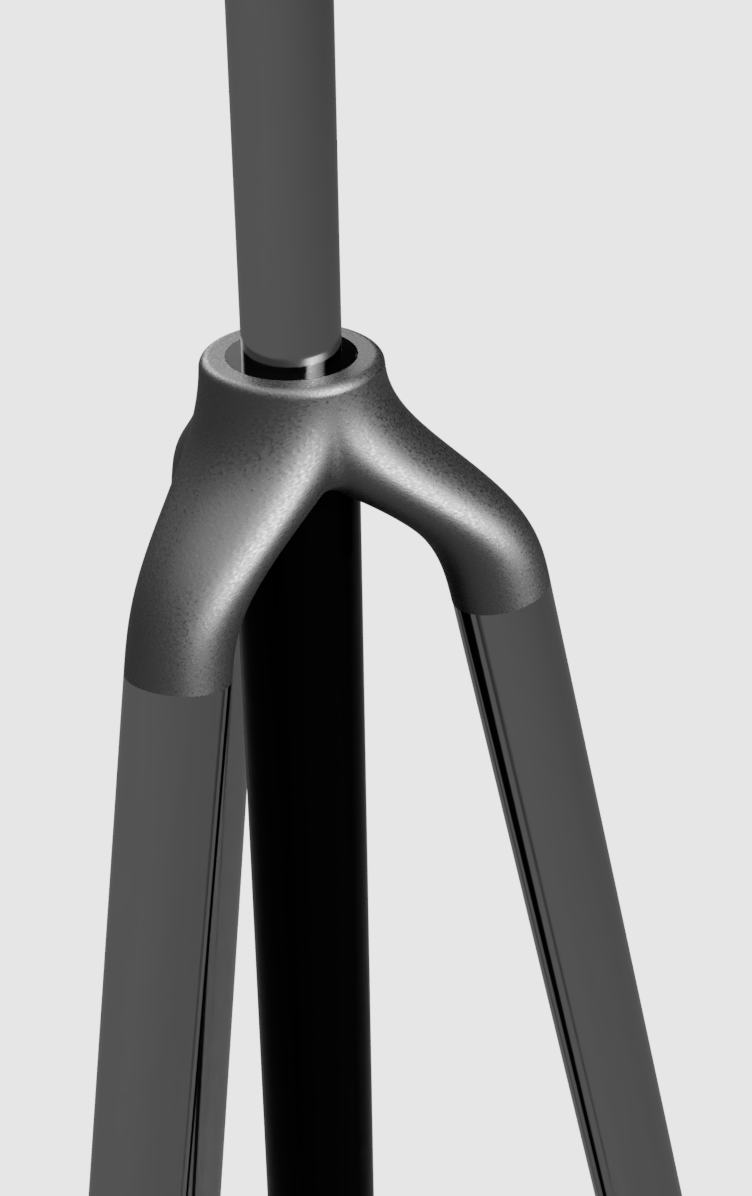
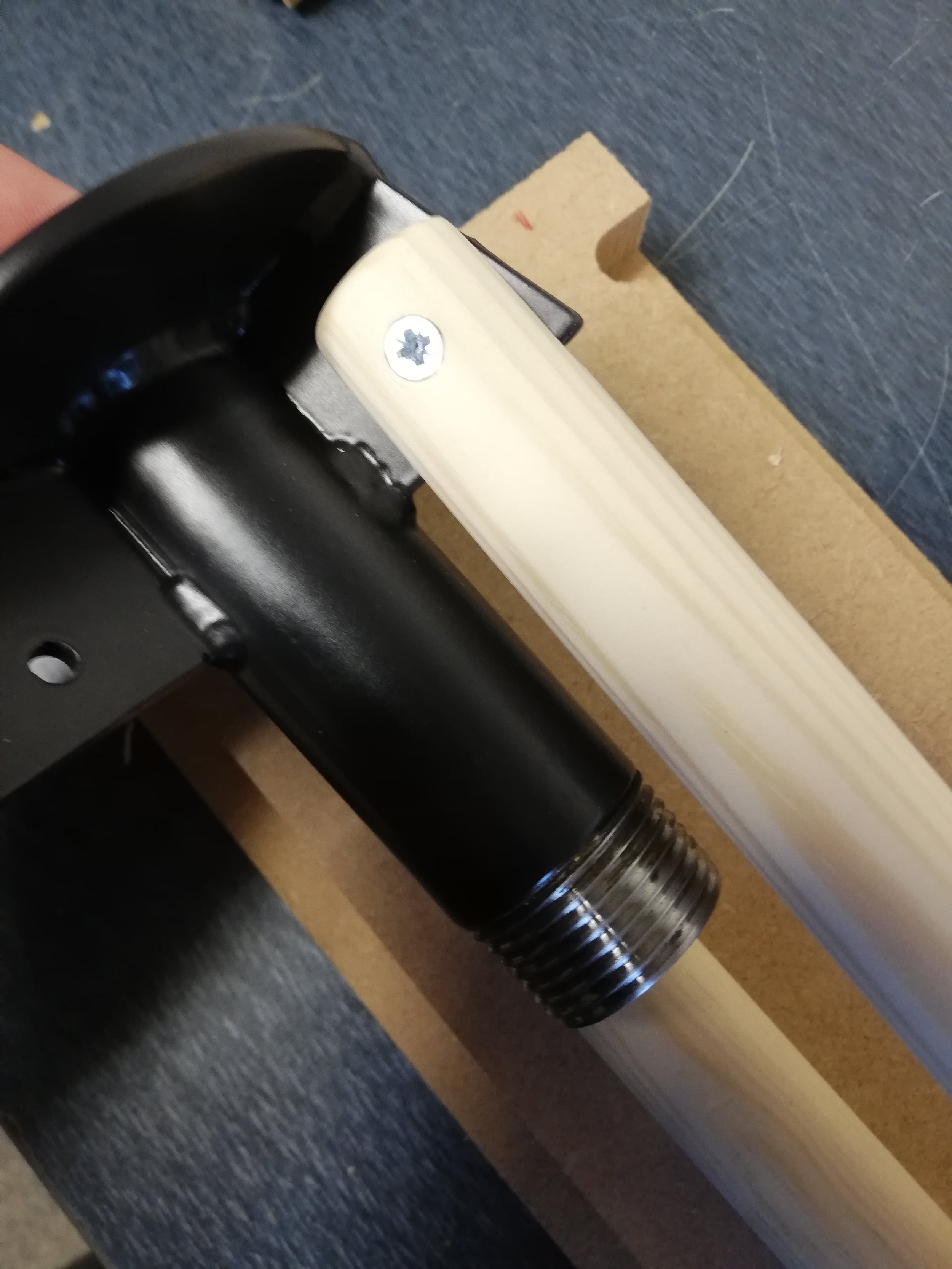
Final leg and twist-lock hub render - wood tripod meeting powder-coated metal junction
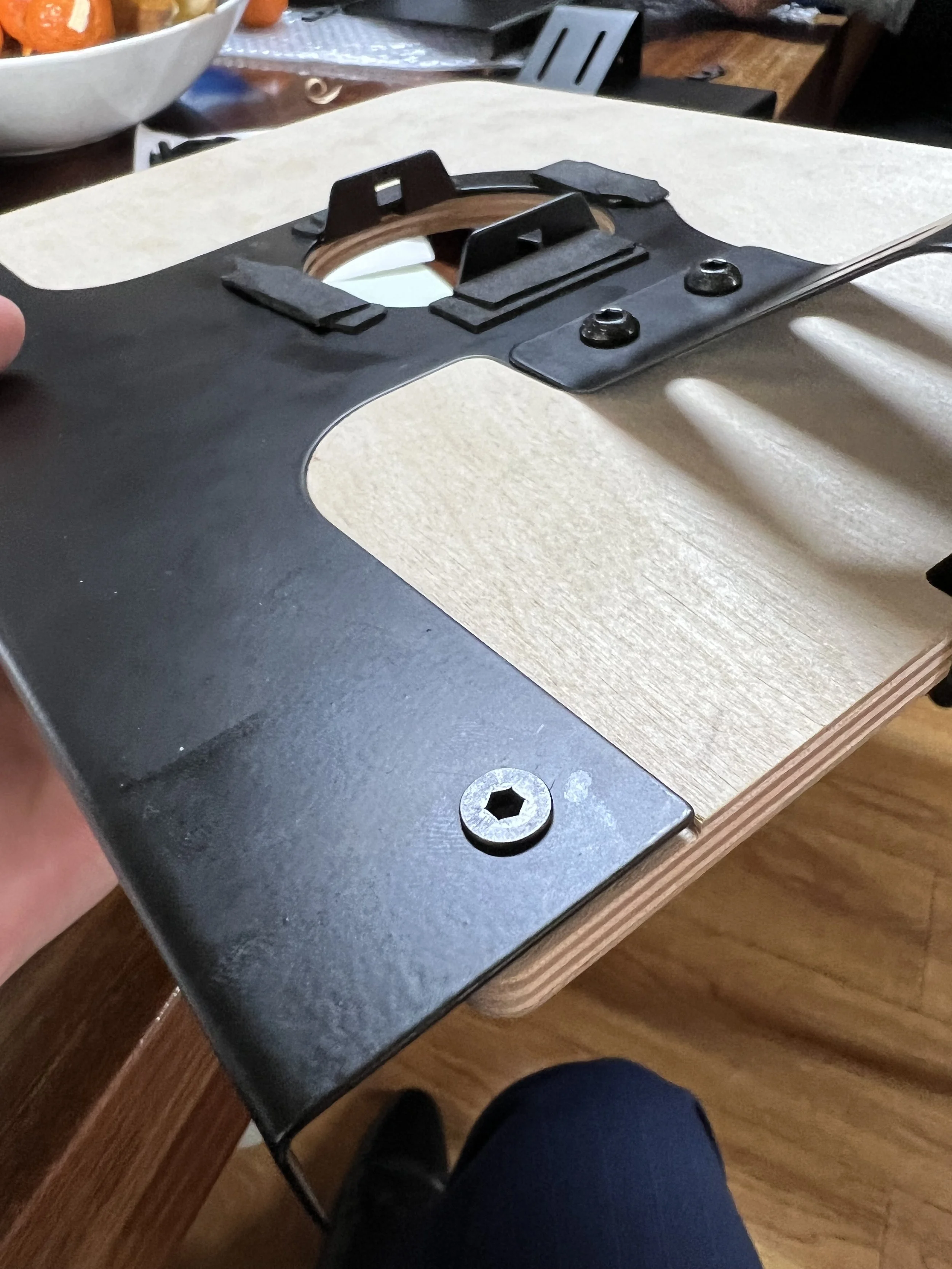
Precision-machined metal inlay seated flush into Baltic birch - prototype stage
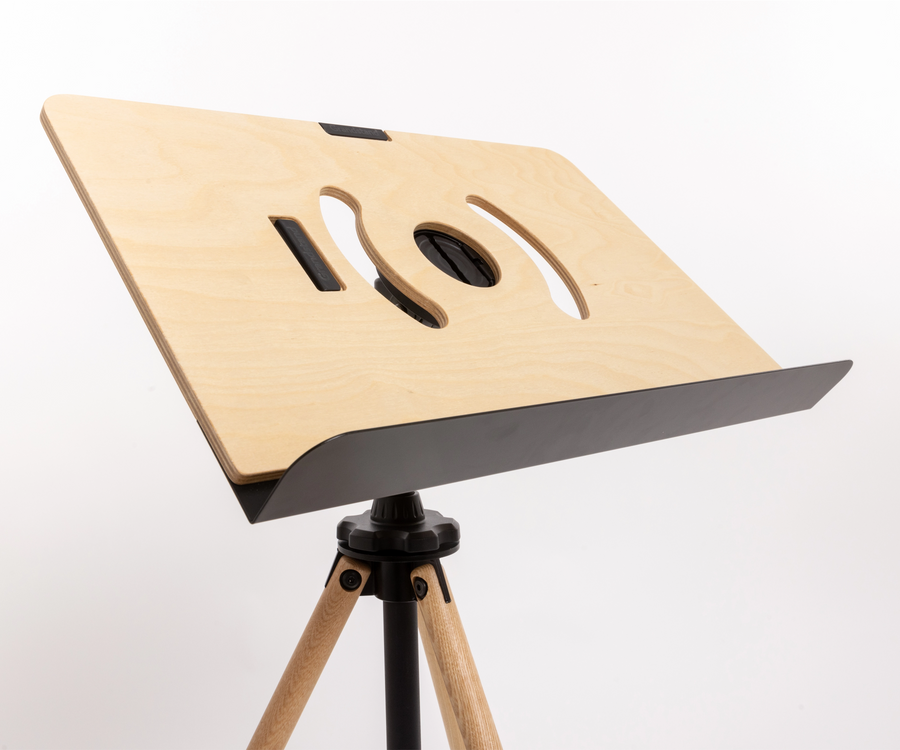
Final form - wood legs, metal hardware, and Baltic birch plate in proportion
Modular Media System
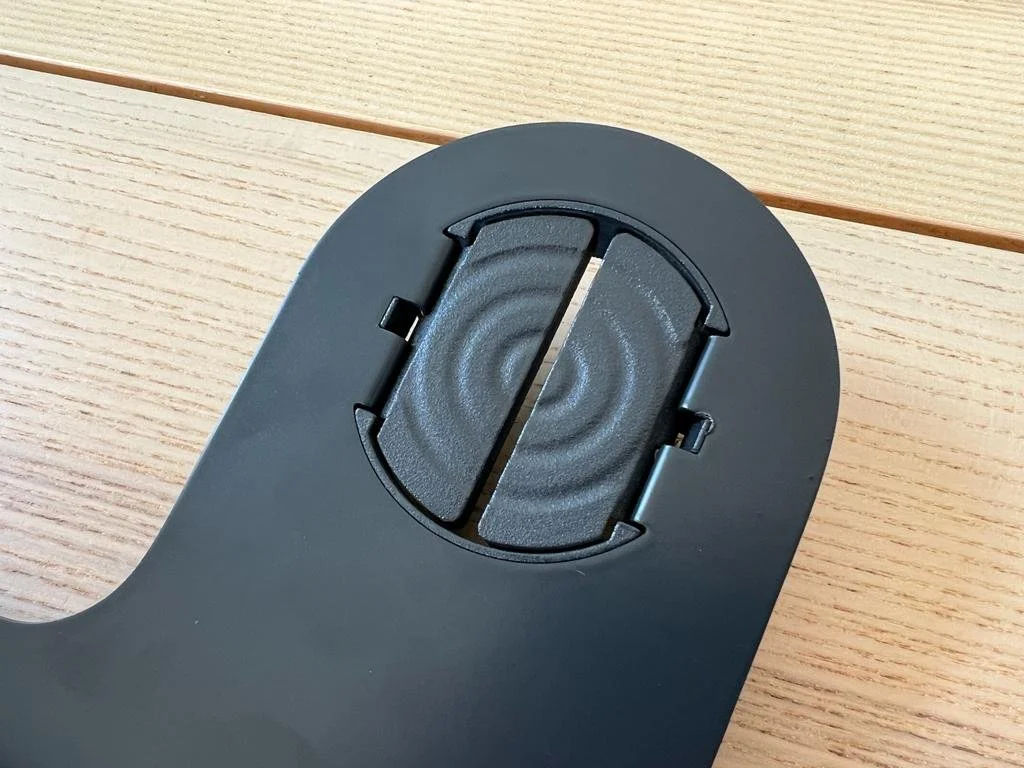
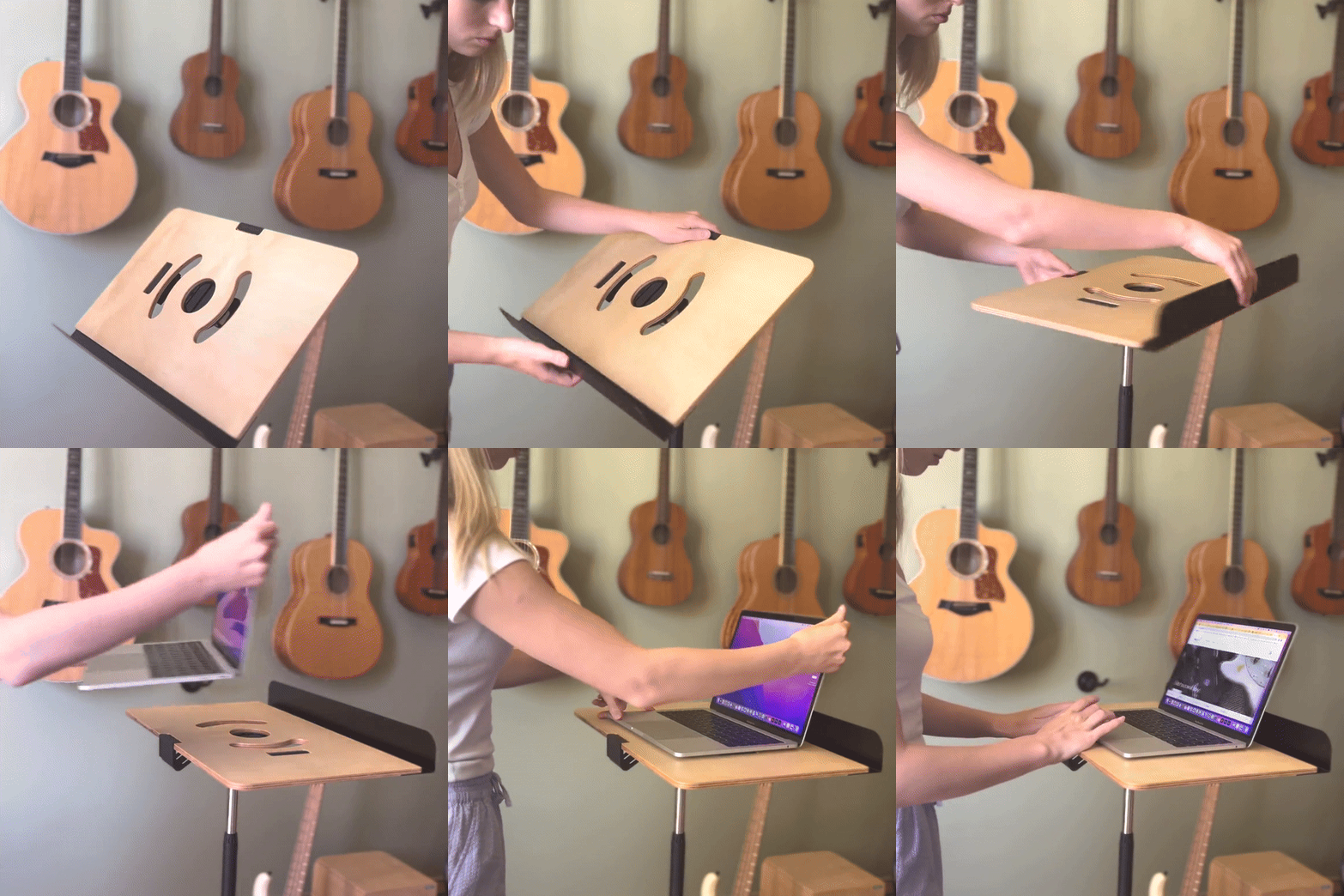
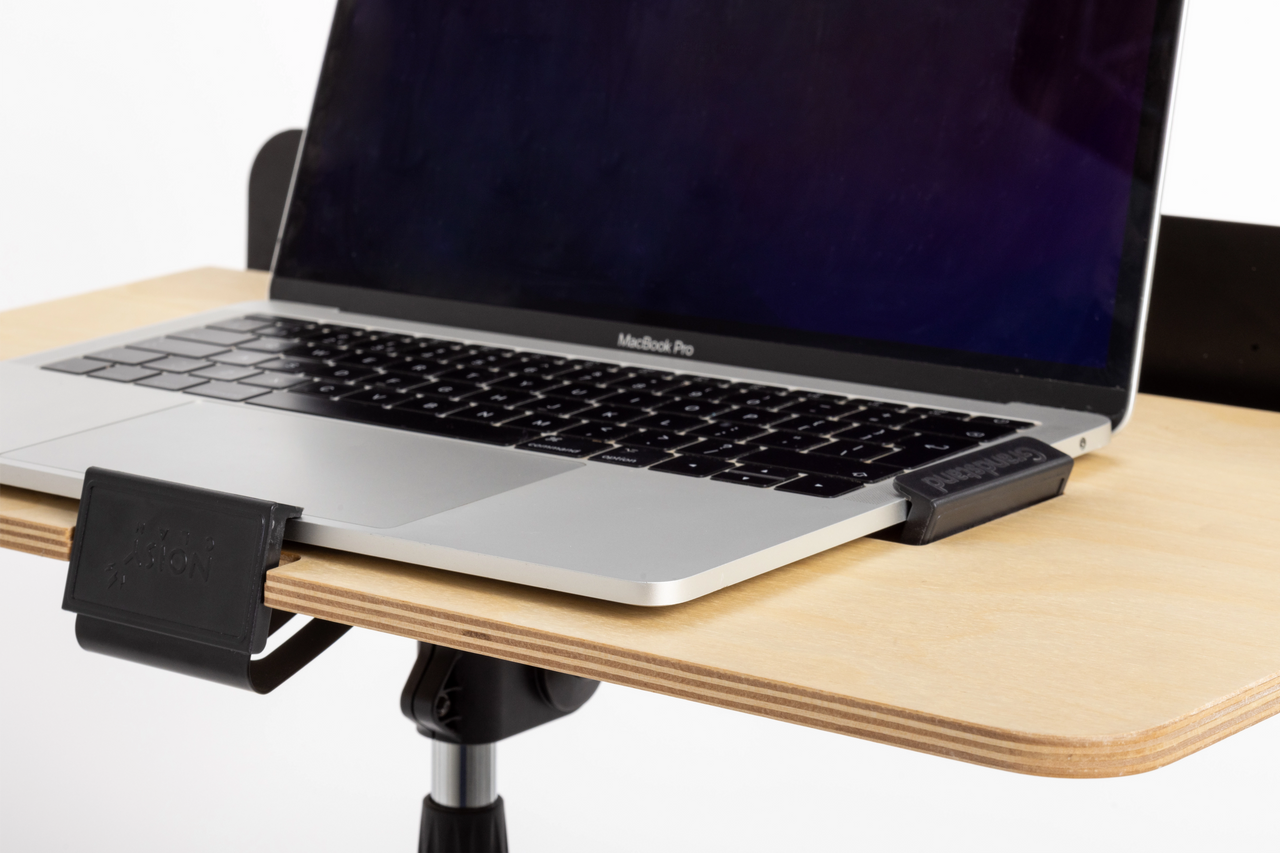
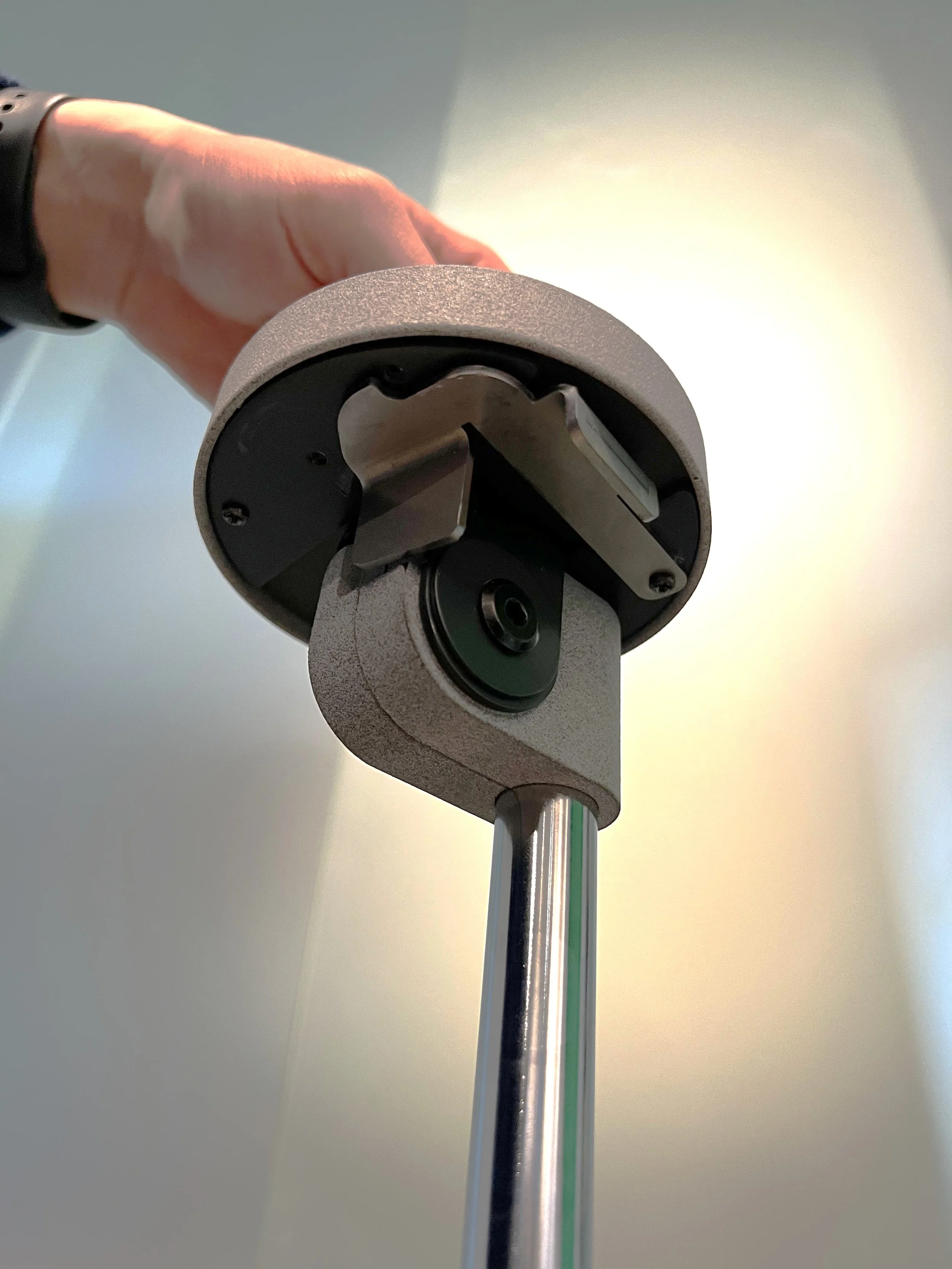
The Quick-Click swapping mechanism was the most ambitious part of the project. The interaction had to be effortless - push the plate on from the front, no secondary lock, no fiddling. The mechanism needed to capture and secure the plate automatically, with enough reliability to last years of daily use.
Two decisions shaped the design from the start. First, any part likely to wear over time had to be user-replaceable - cheap and simple enough that a failure wouldn't mean returning the whole product. Second, the mechanism had to be manufacturable at a price point that kept Grandstand accessible.
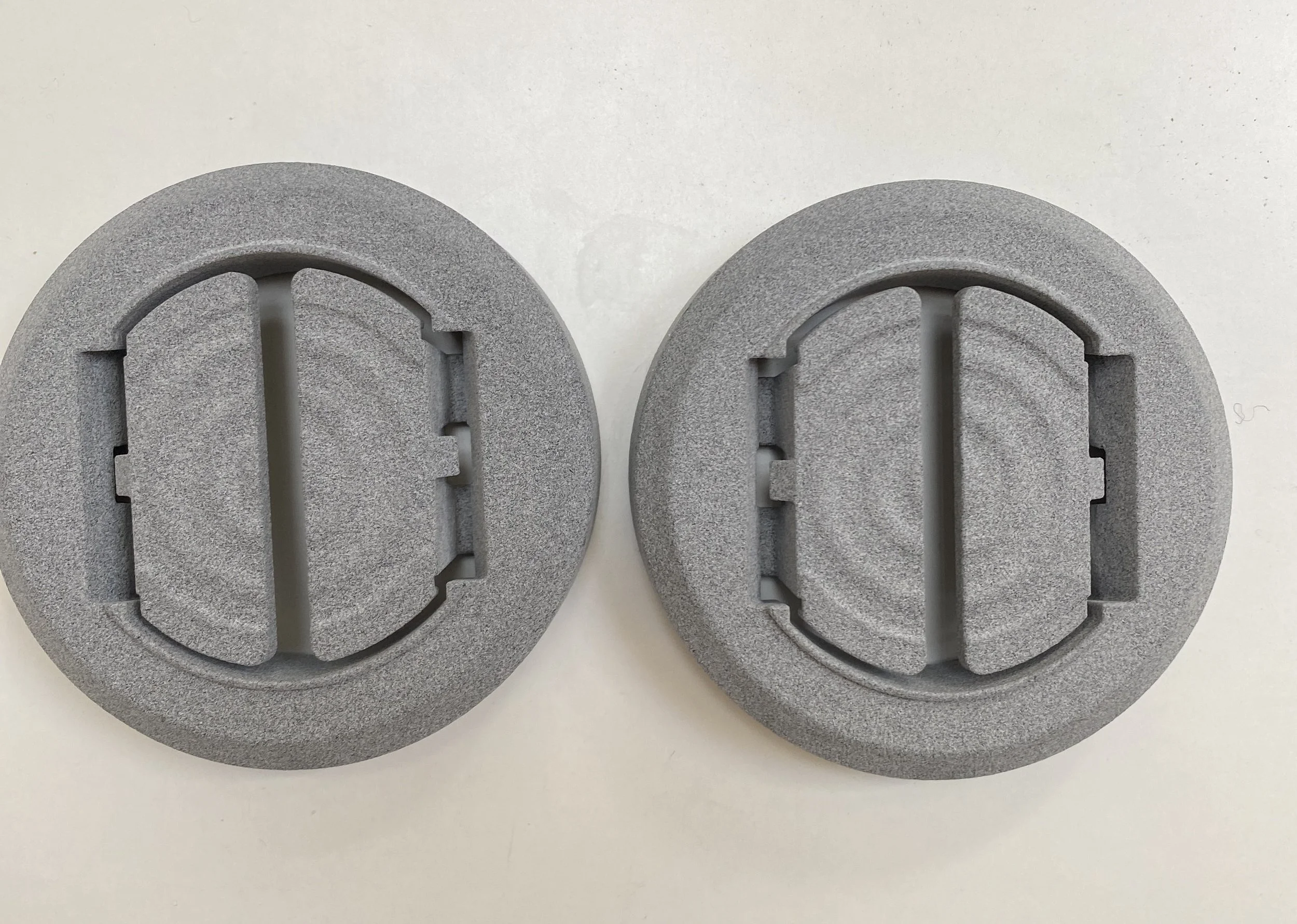
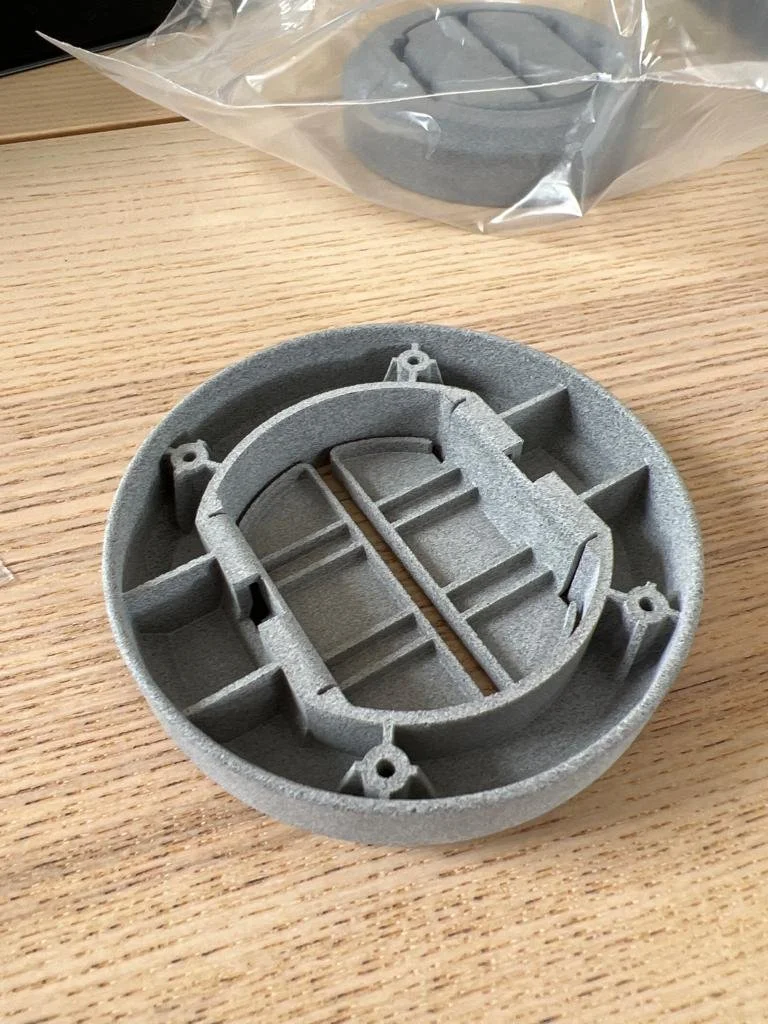
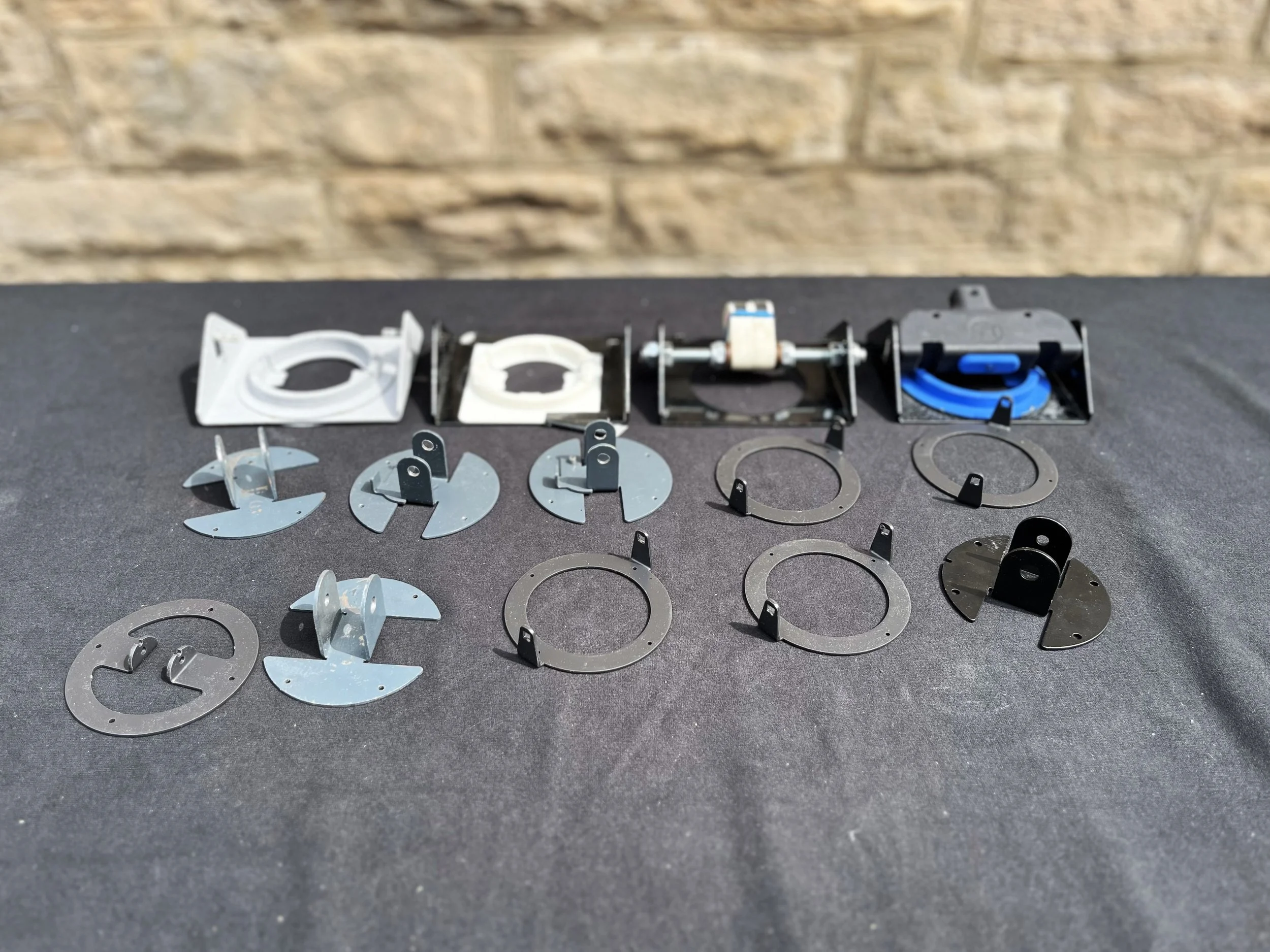
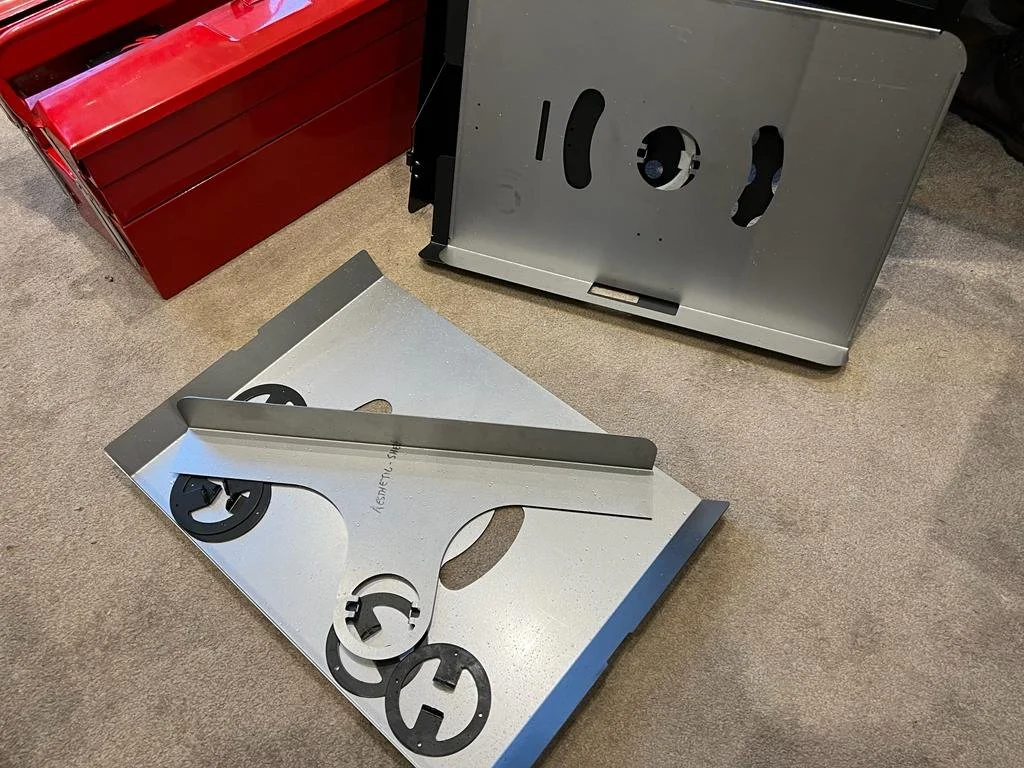
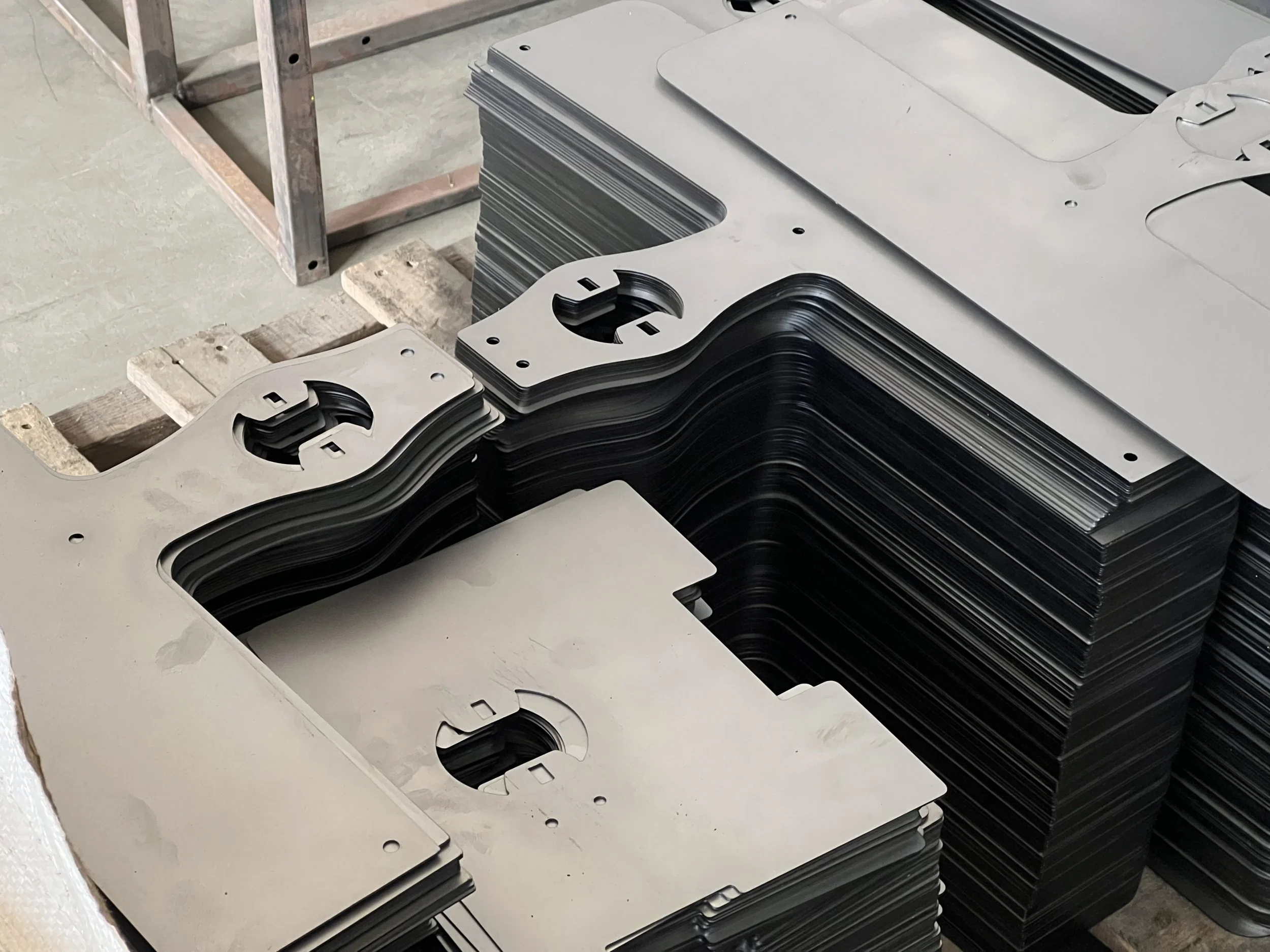
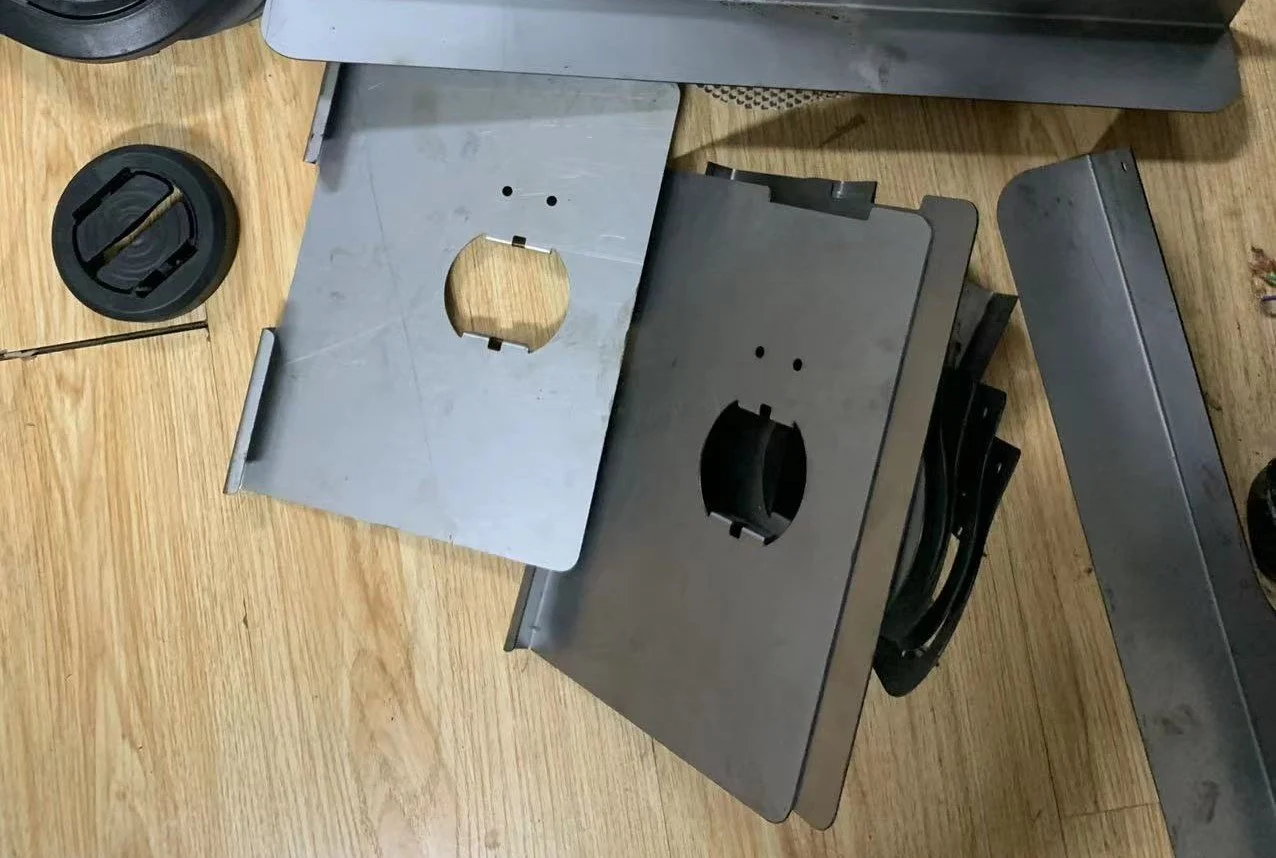
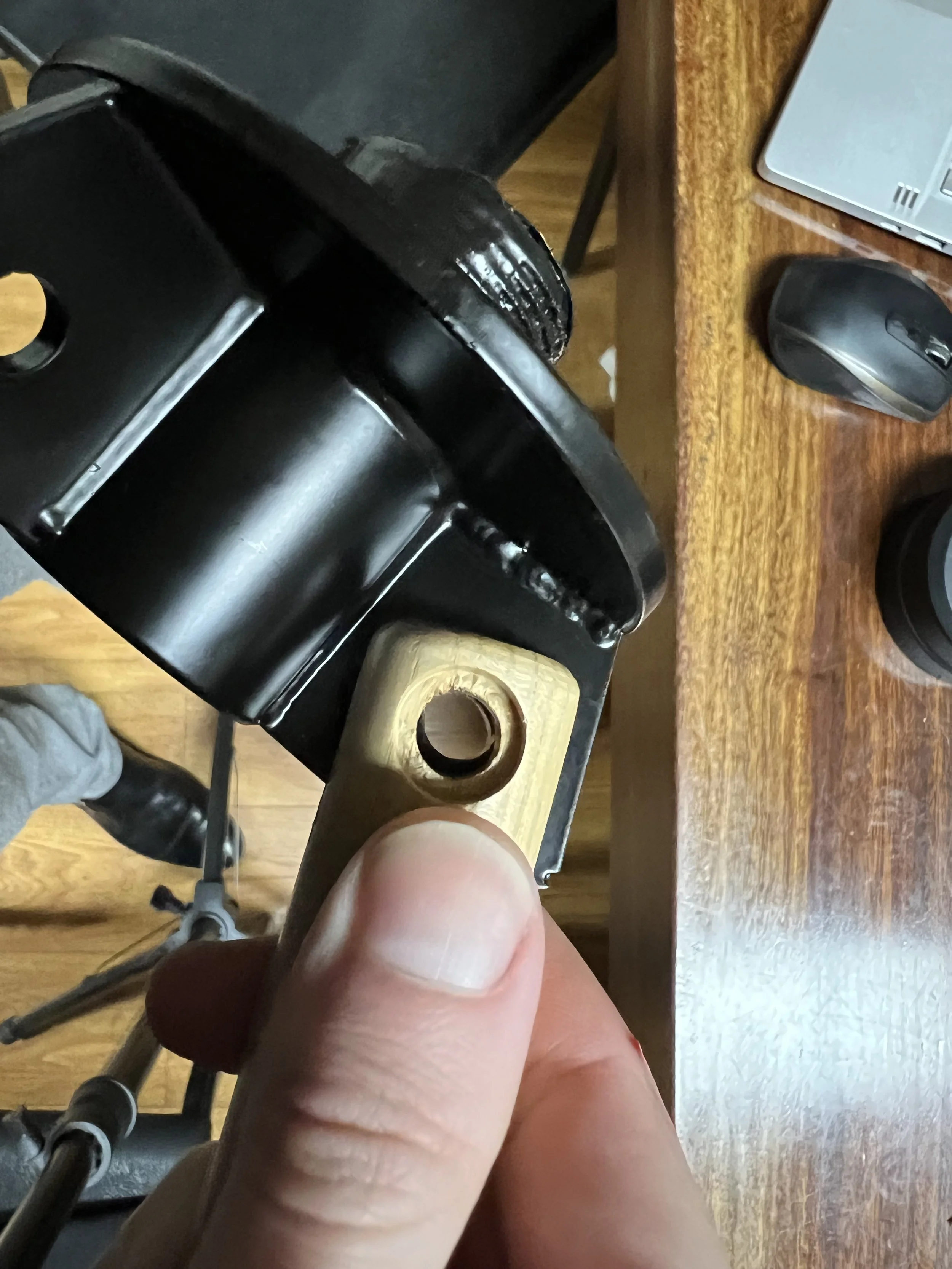
Getting there required material selection for every individual component, extensive 3D print iteration, and close collaboration with our sheet metal vendors to keep the locking tabs consistent and within tolerance, requiring I stay at the factory until it was right.
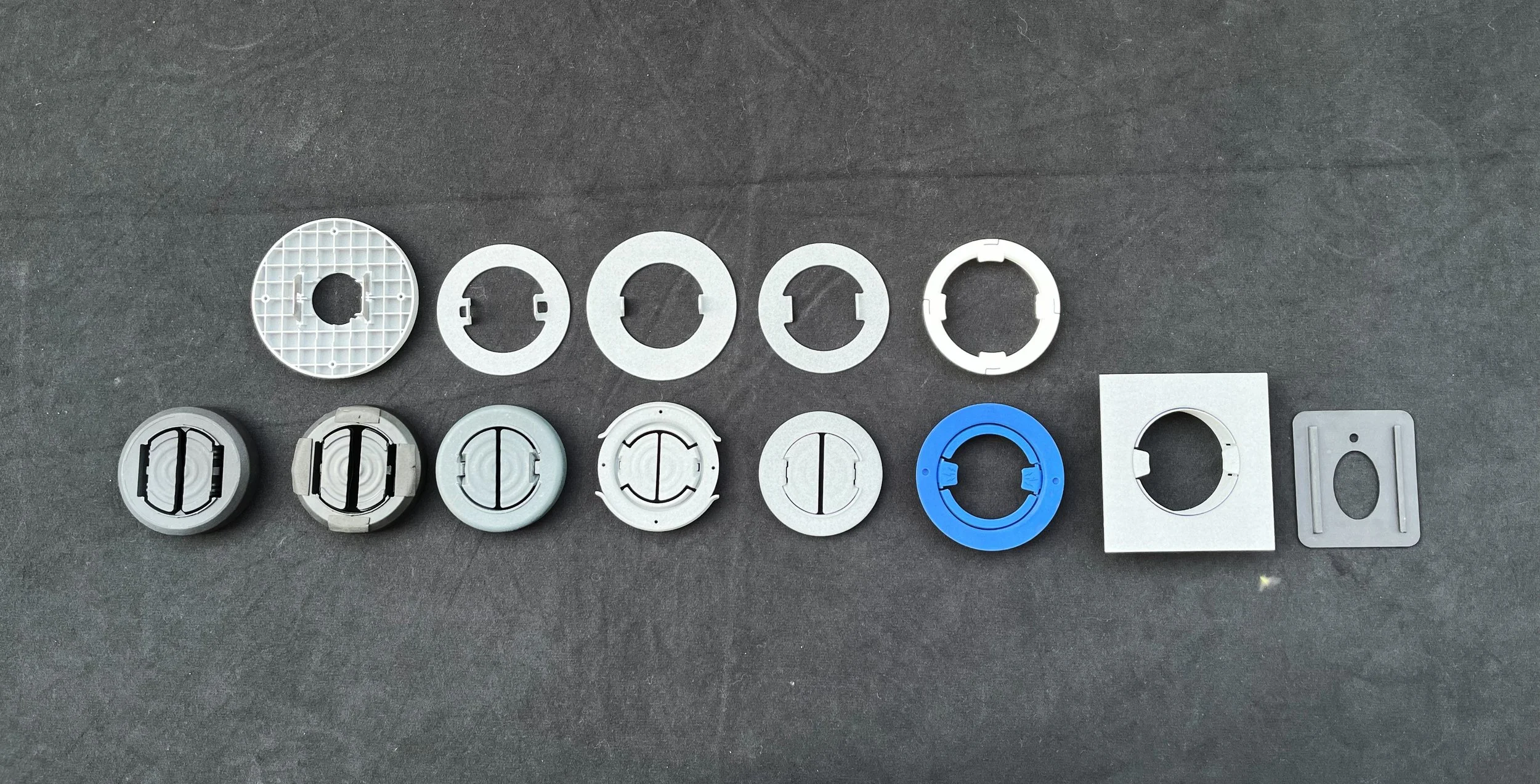
3D print iterations - mechanism geometry refined across multiple rounds
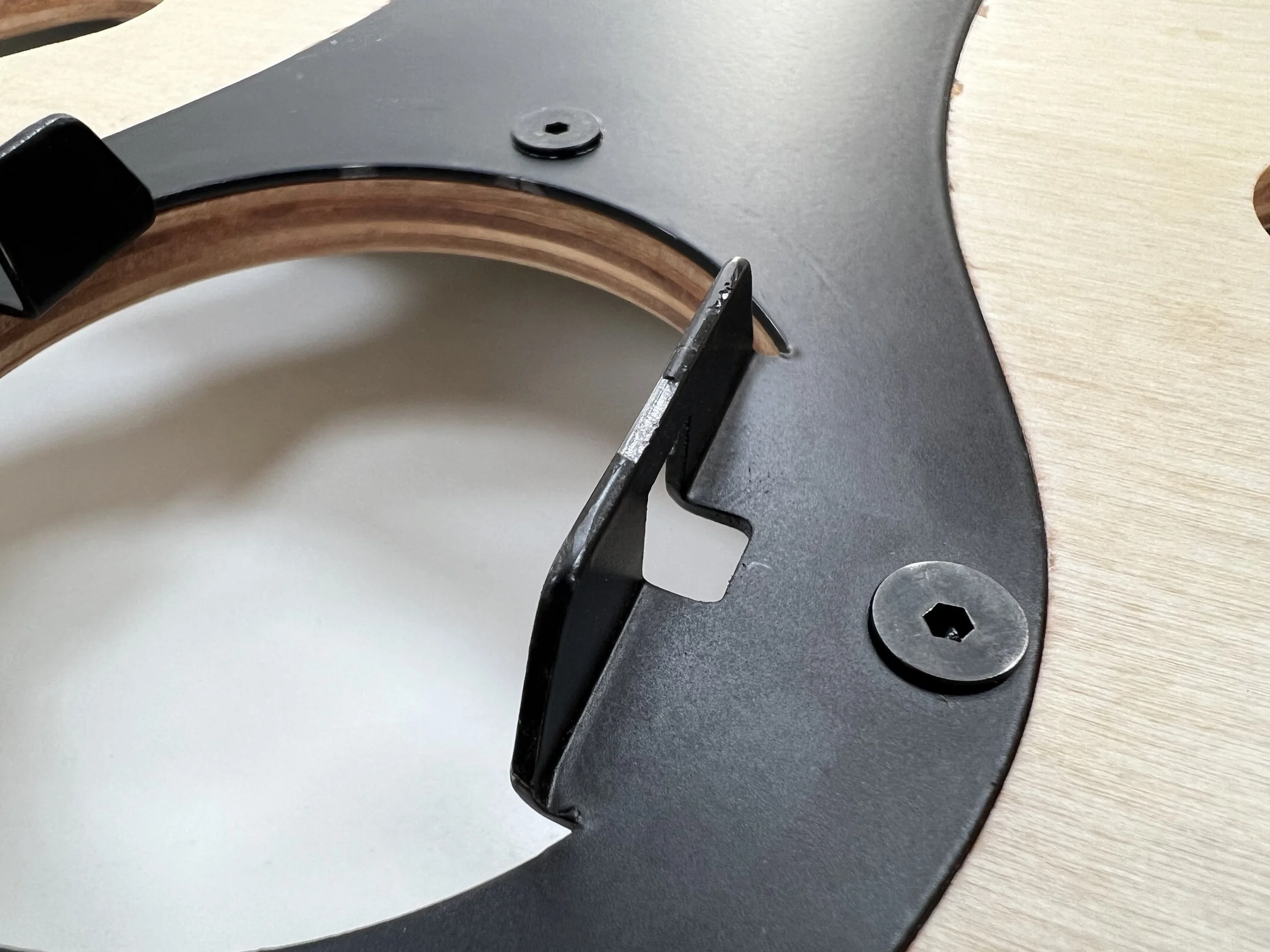
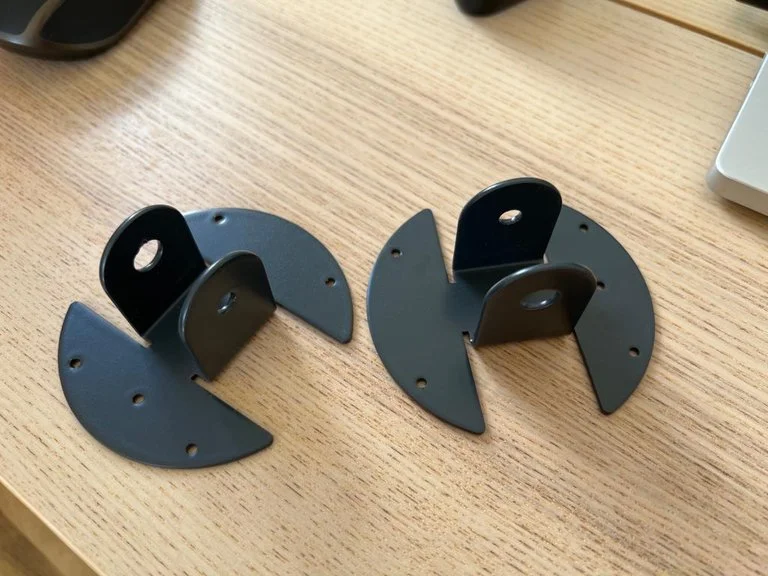
Sheet metal tabs under inspection - powder coat durability was critical to reliability
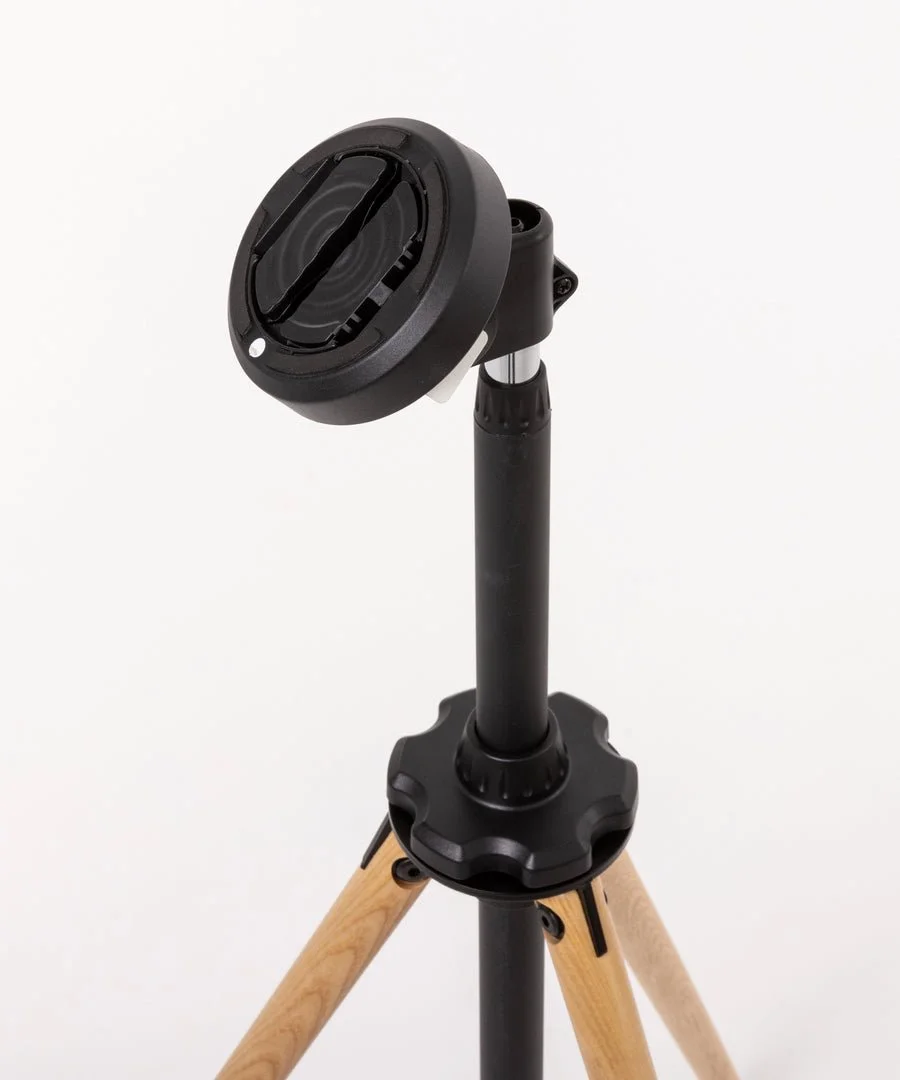
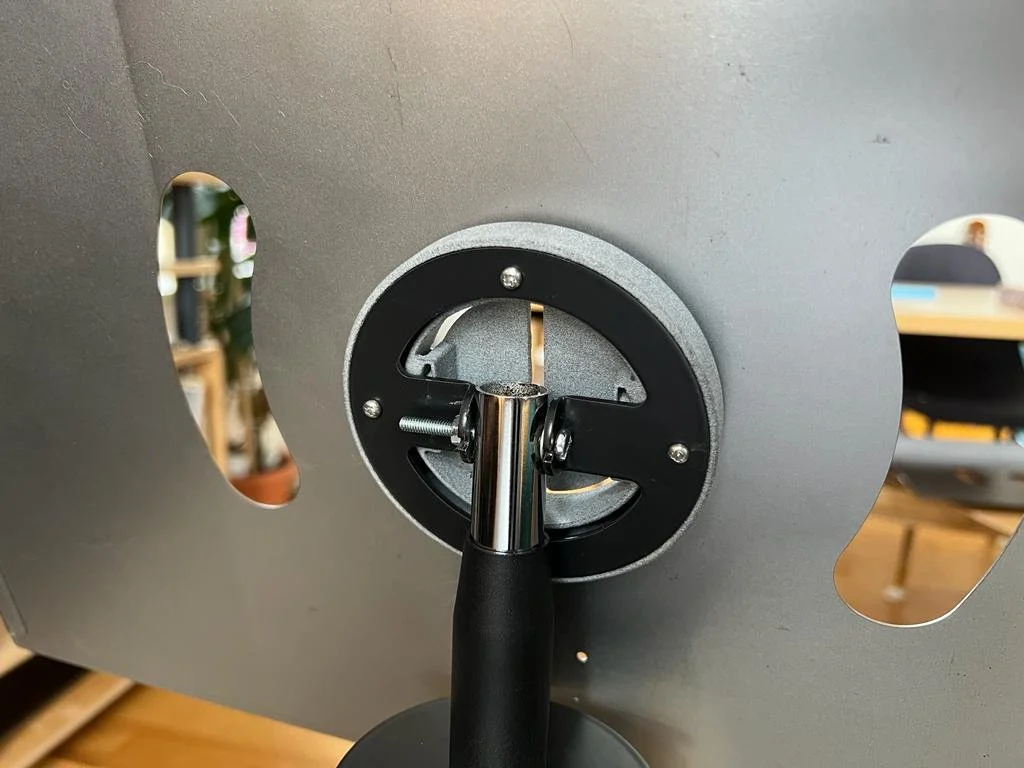
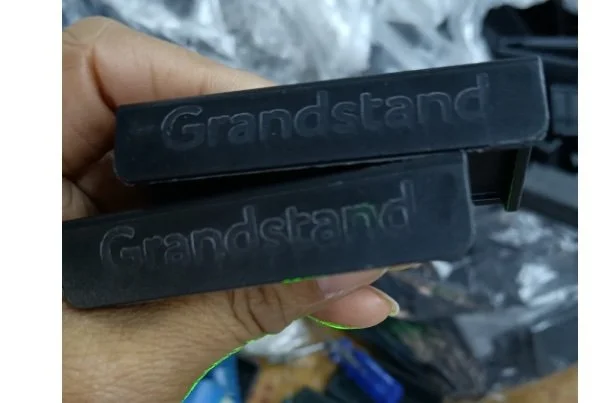
Final Quick-Click mechanism - user-replaceable components for longevity
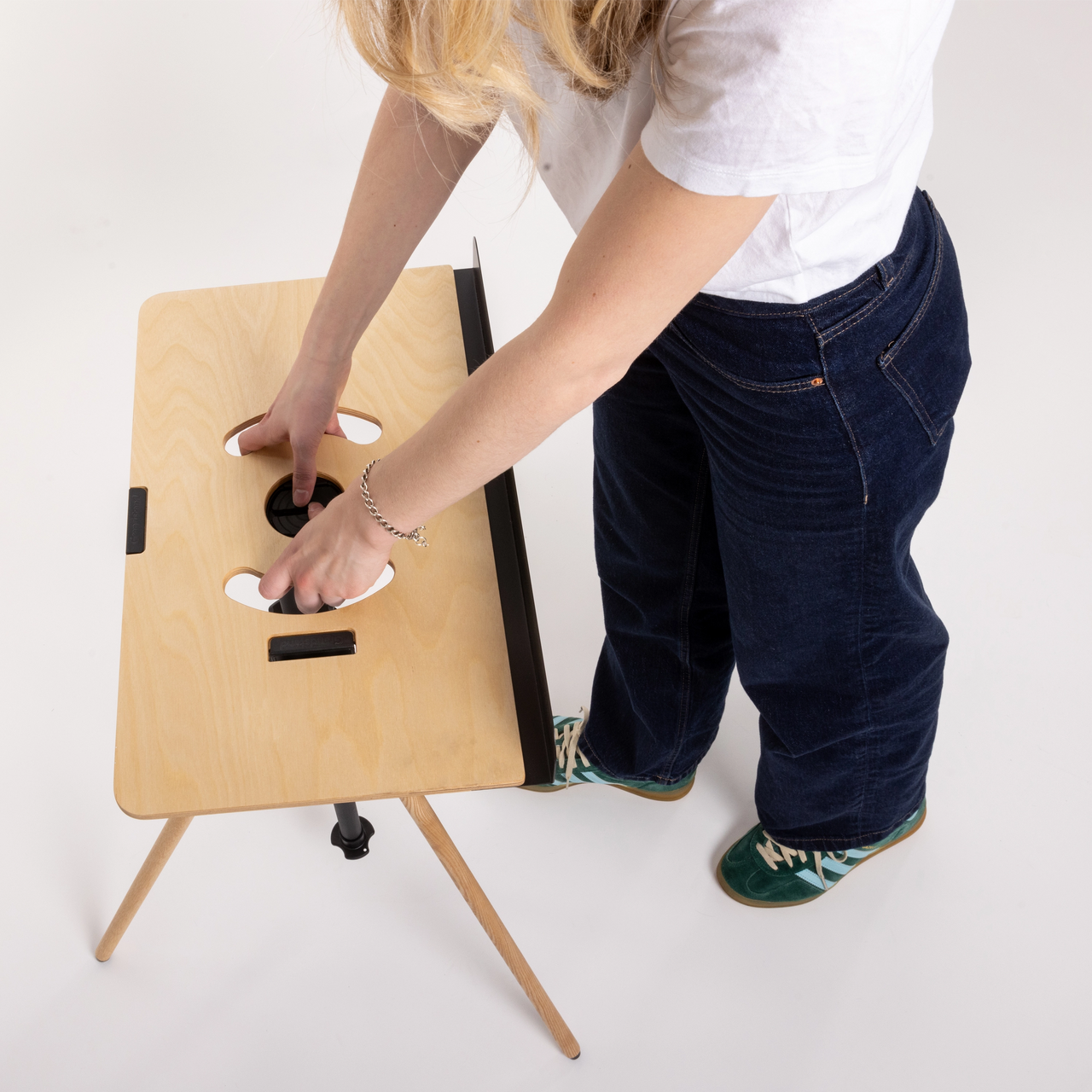
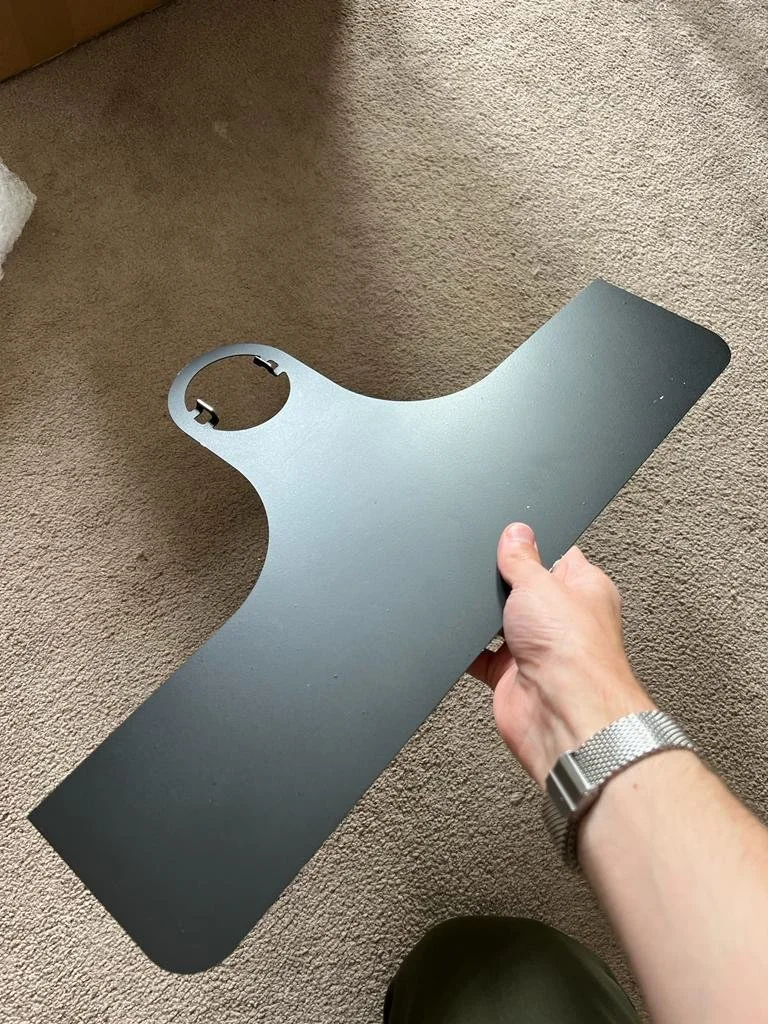
Plate release interaction - access to press tabs integrated into the design of the plates
Tabletop to Concert Height
Grandstand has the largest height range of any music stand on the market - from 20.5” in seated mode to 63” at full concert height. For most instruments that range is convenient, but for singers and certain wind players like trumpeters, it's essential - looking down affects breath support and technique directly. The full standing height also accommodates playing on risers, where standard stands often fall short.
Achieving that range in a compact, stable form required a rethinking the typical mechanisms. Most stands use a single adjustment mechanism - either friction telescoping for quick adjustment, or a twist lock for precise, high-load positioning. I combined both into a single concentric assembly: the friction pole sits within the twist-lock column, axially aligned so the two systems share the same footprint. Each can be adjusted independently, but together they double the effective height range without adding bulk or compromising stability.
Finding a manufacturer with experience in both mechanisms was a pivotal decision - it ultimately defined the primary manufacturing partner for everything except the wood components.
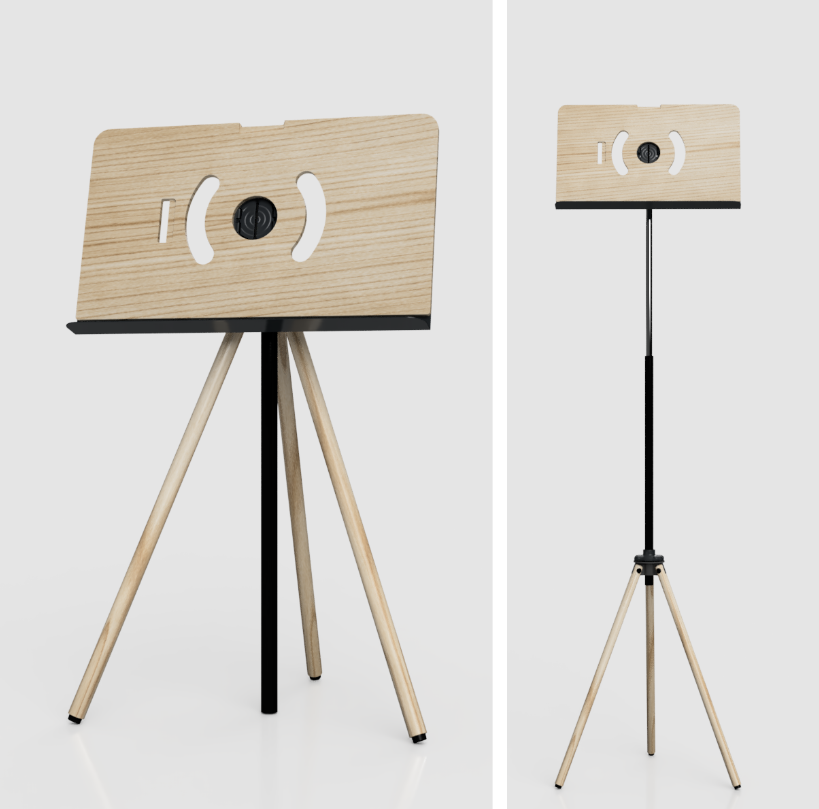
Render showing minimum and maximum height range - 20.5" to 63" height
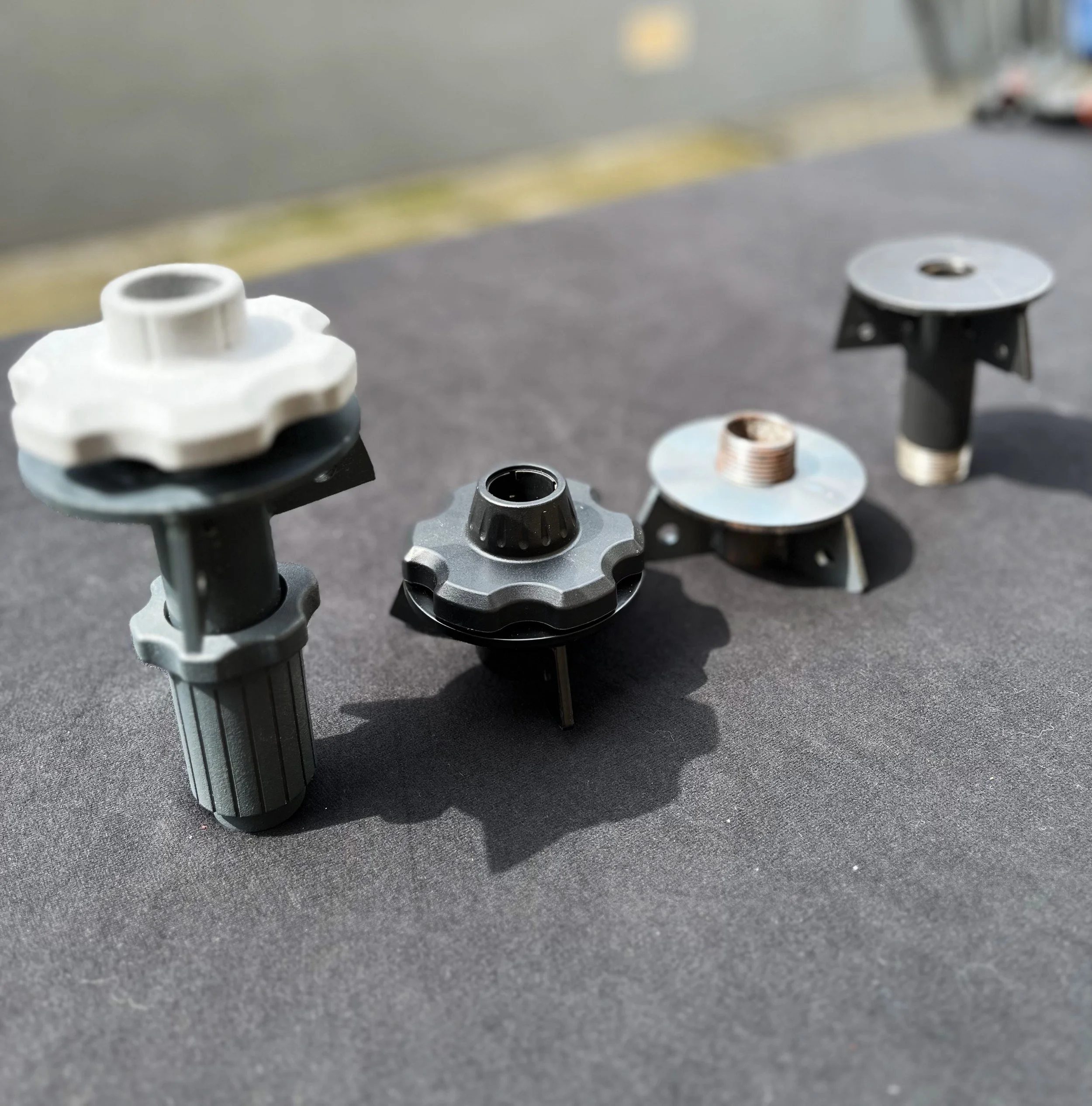
Twist lock explorations - hub geometry iterated for ergonomics and assembly
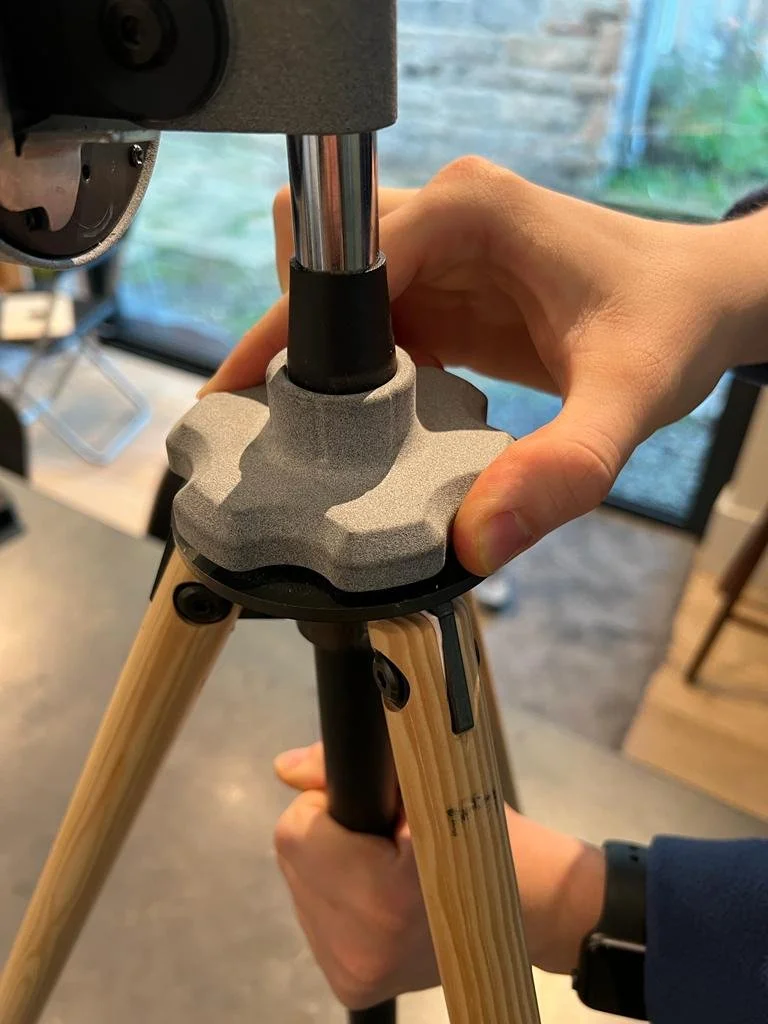
Prototype testing - grip ergonomics validated at the twist-lock hub
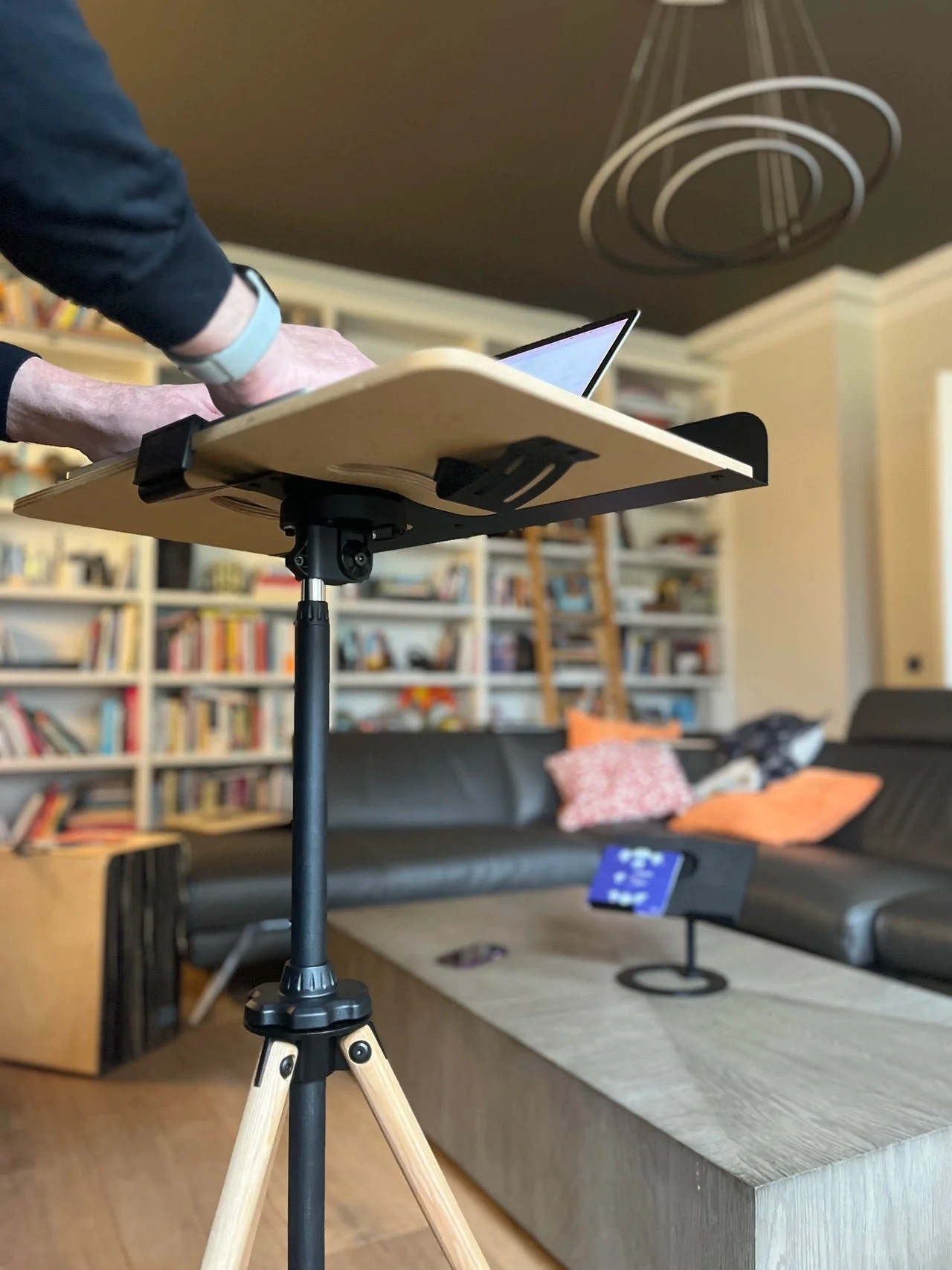
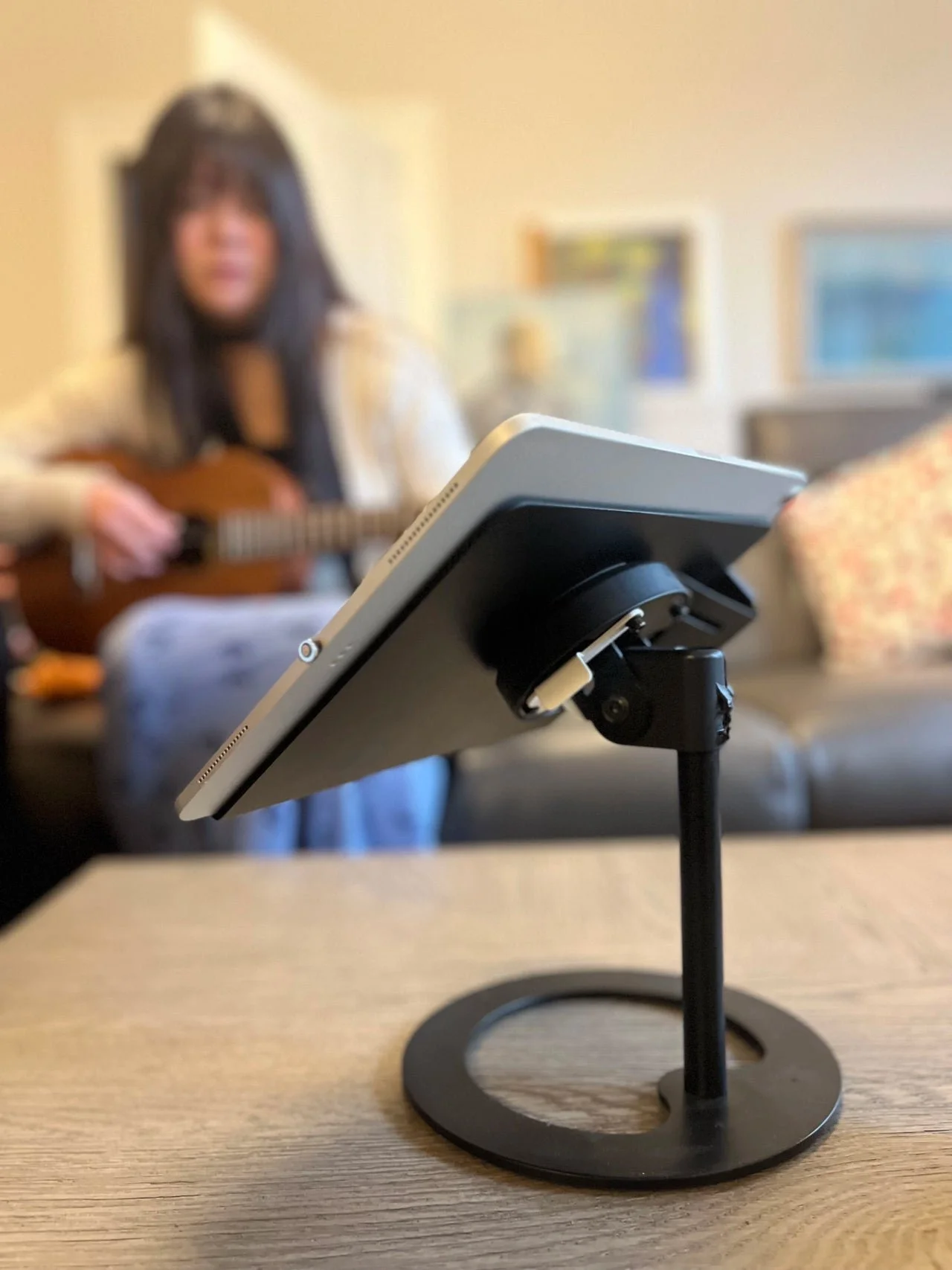
Tabletop mode in use - the concentric assembly is durable and compact
Outcome
Grandstand was awarded Gold at the Scottish Design Awards in 2023 - the same year it launched on Kickstarter, raising $170k+ and going on to sell 1,600+ units globally.