2026 · FOUNDER, LEAD DESIGNER
Square
The Made-to-Measure Watch
Quick Facts
Founded Studio Plural in 2024 - identified market gap, defined brand, built operations from scratch
End-to-end product development from concept through commission and delivery
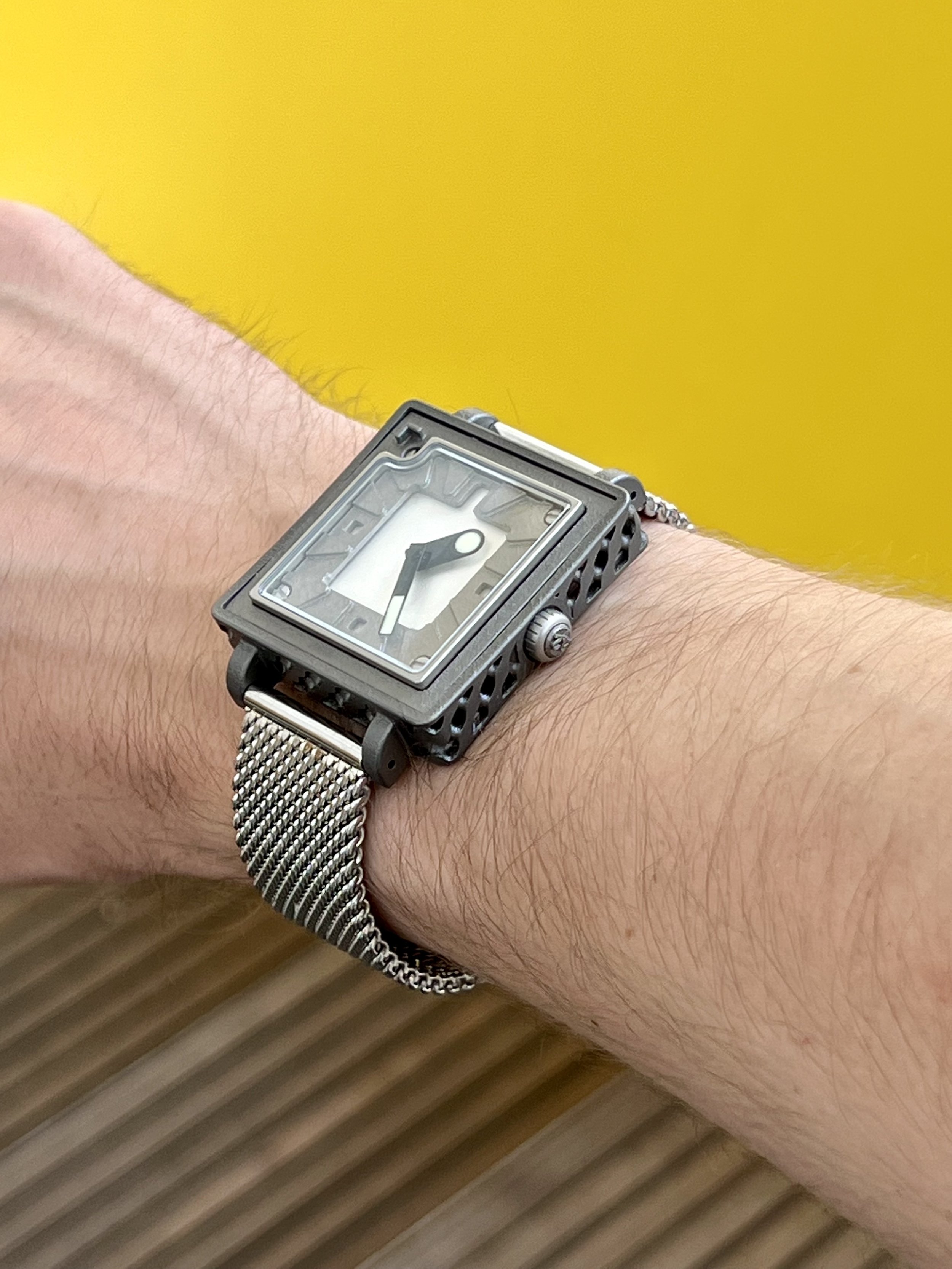
Designed 3D-printed titanium components, CNC-machined core, and fully integrated watch system
Sourced and coordinated printing, anodizing, and watchmaking assembly partners
Developed iterative customer co-design process and deposit system

Opportunity
The watch industry offers customization at two extremes: mass-produced pieces with cosmetic options, or fully bespoke commissions priced beyond reach. Neither gives the fashion-forward customer genuine agency over what they wear.
3D printing in metal promised a middle path - but most companies using it still CNC the printed parts into submission afterward, negating much of what makes printing valuable. Studio Plural started from a different question: what if you designed the watch around what printing is actually good at?
Brief
Designed Around Its Limits
A Considered Starting Point
Make It Yours
Designed Around Its Limits
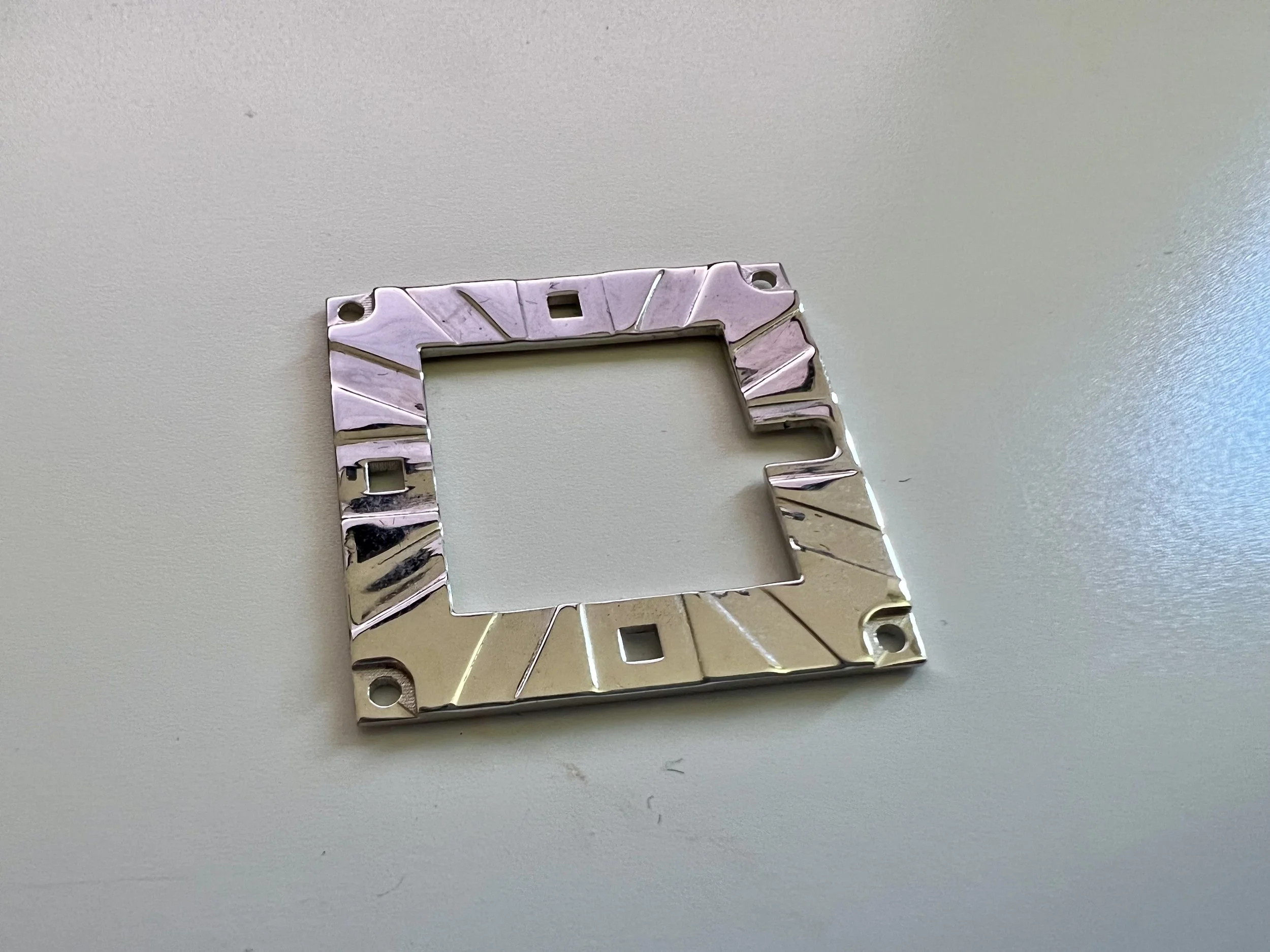
Early prototyping made one thing clear: 3D printing is not precise. Early attempts to print the entire watch came back with variance that made conventional watch construction impossible - movement fit, crystal seating, crown tube alignment all require tolerances that printing simply can't hit consistently. What most companies doing printed watch cases do is CNC critical surfaces to tolerance. This felt like fighting the material to make it behave like a different one.
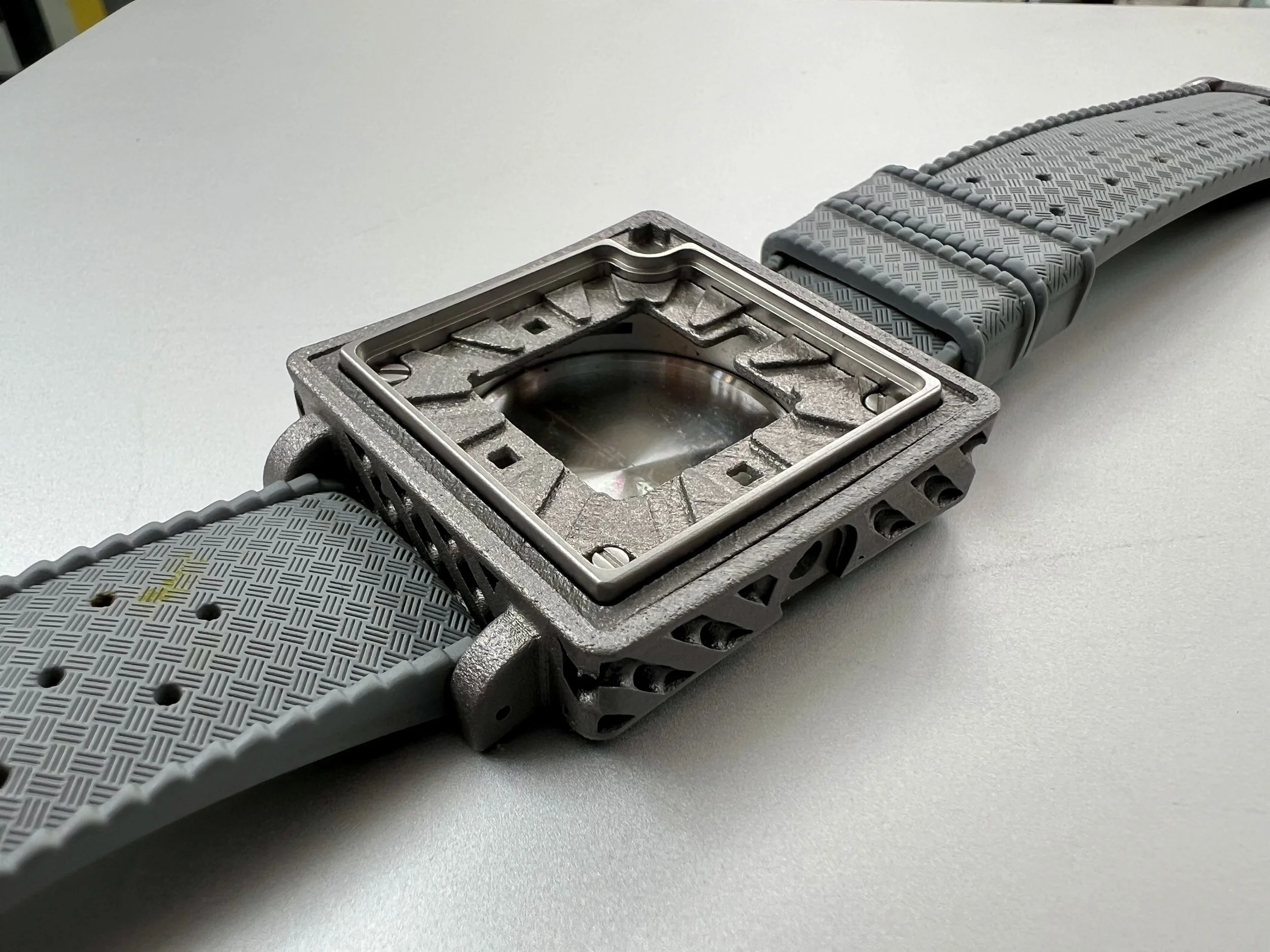
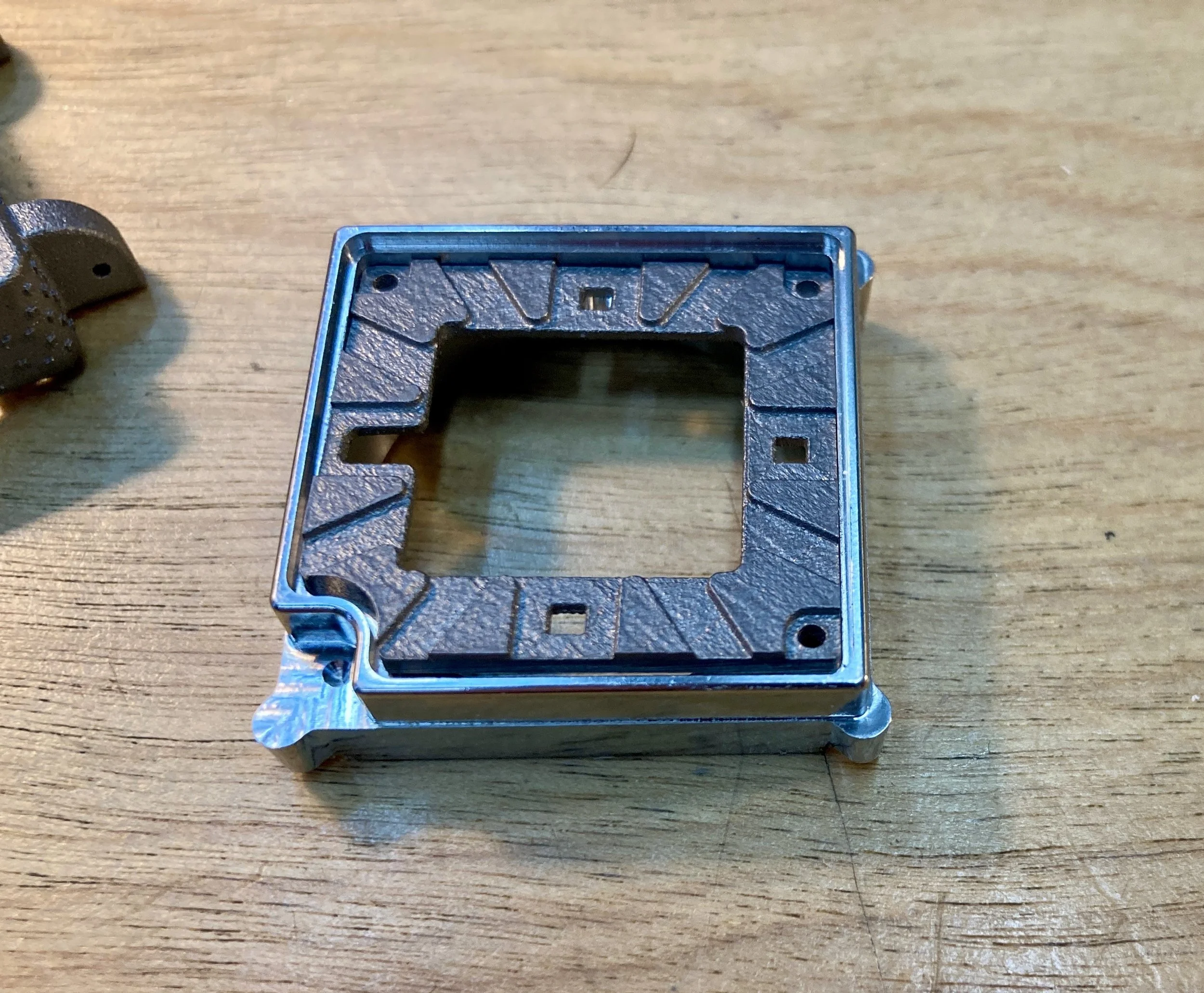
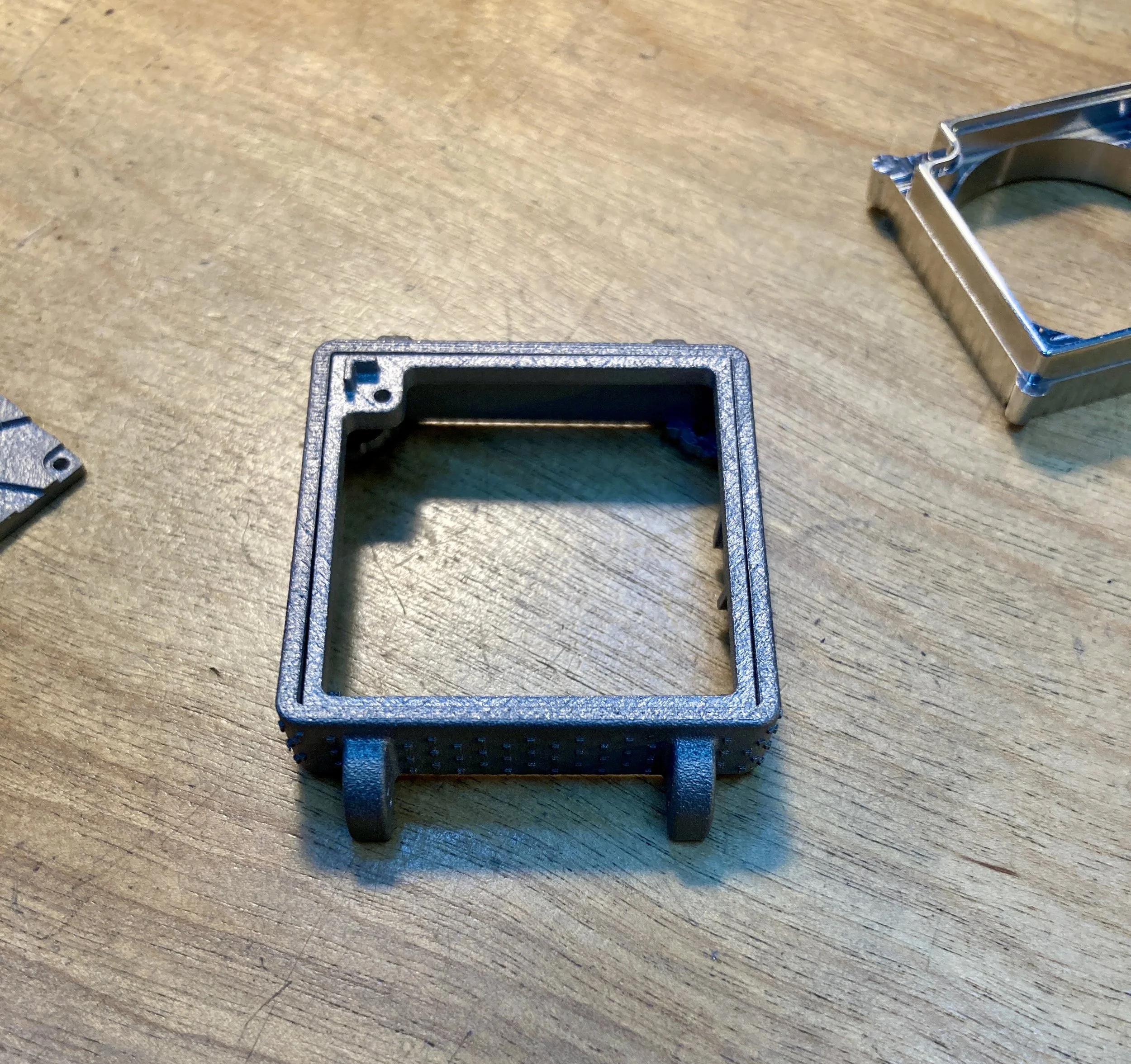
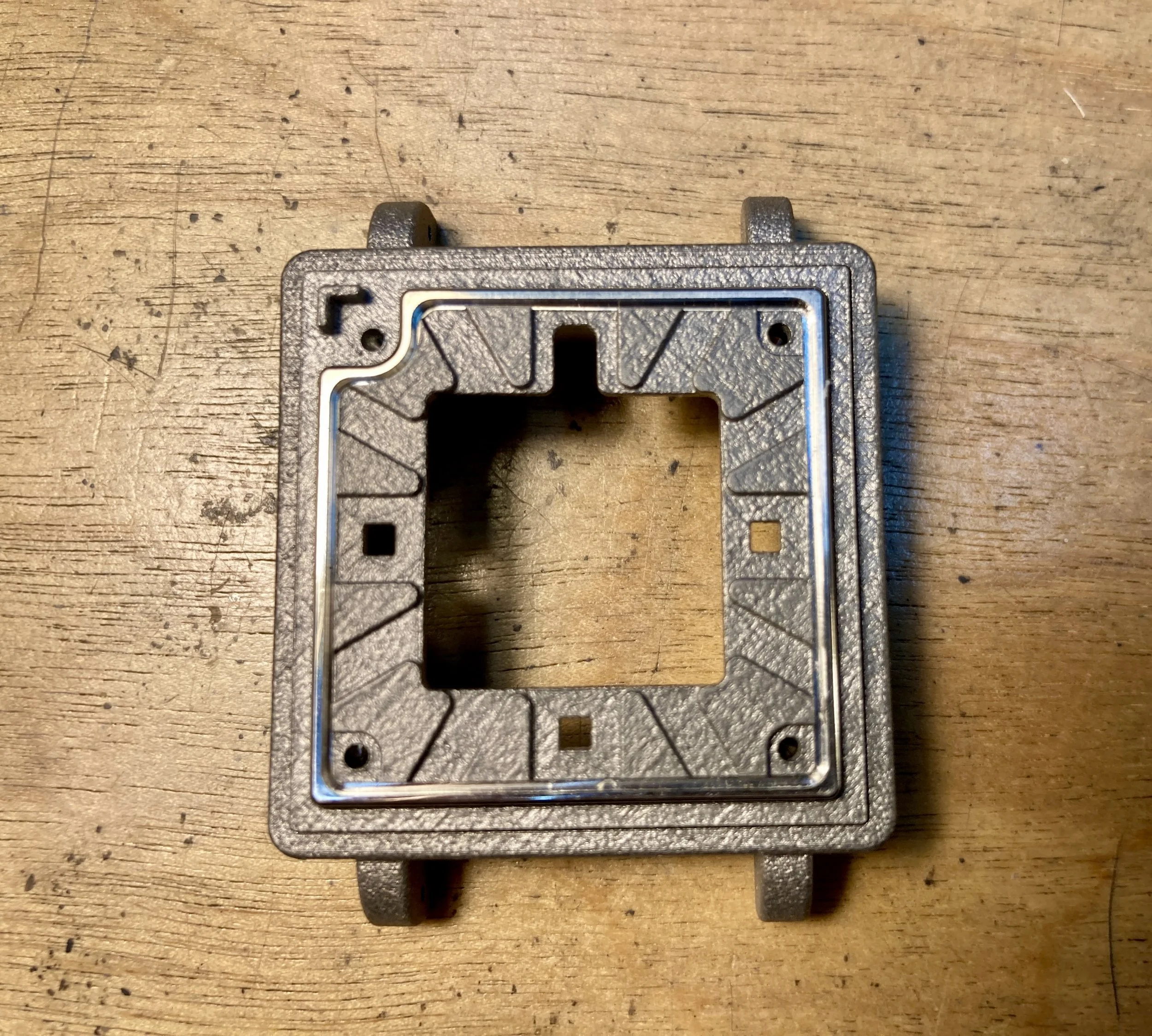
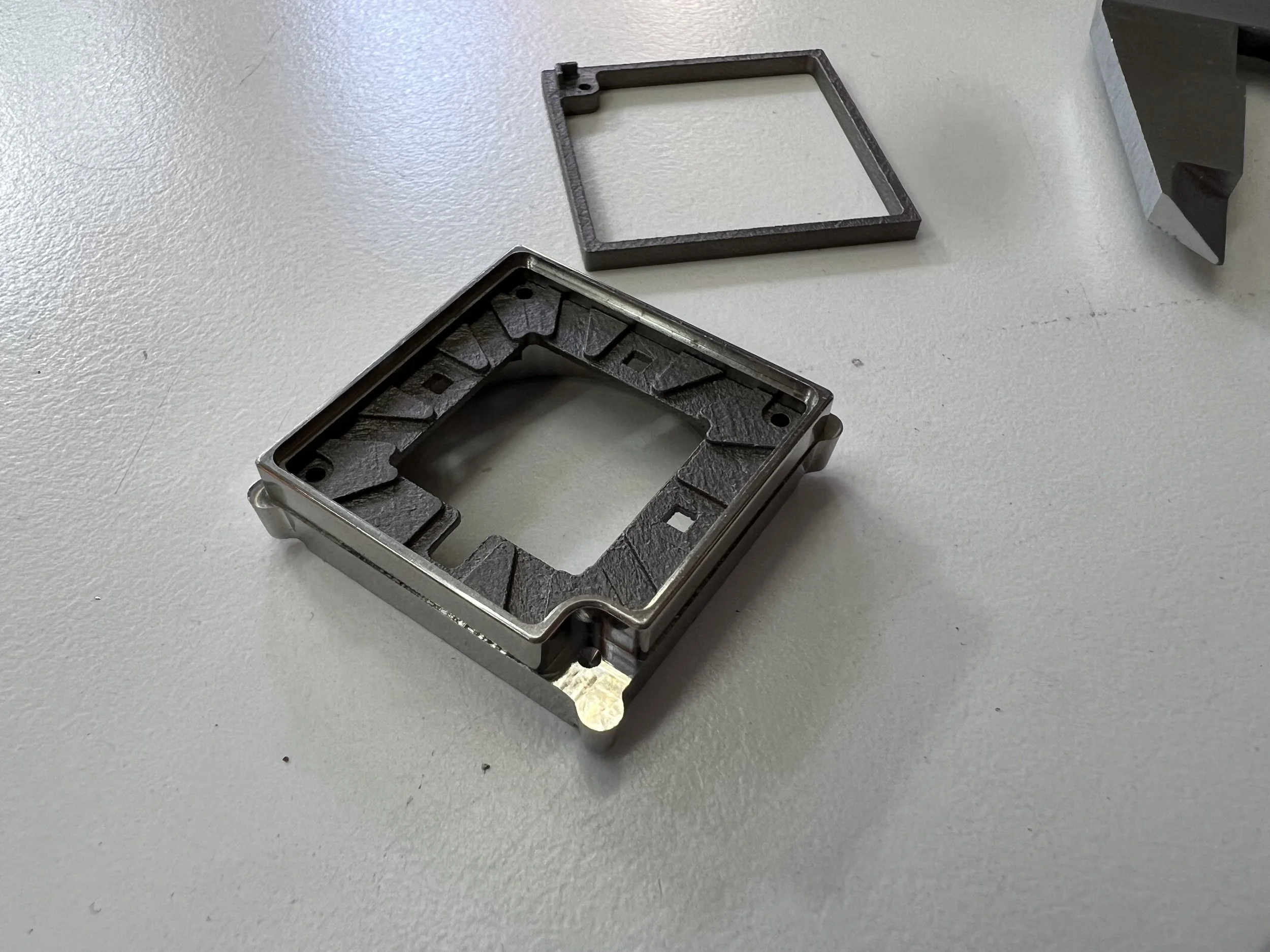
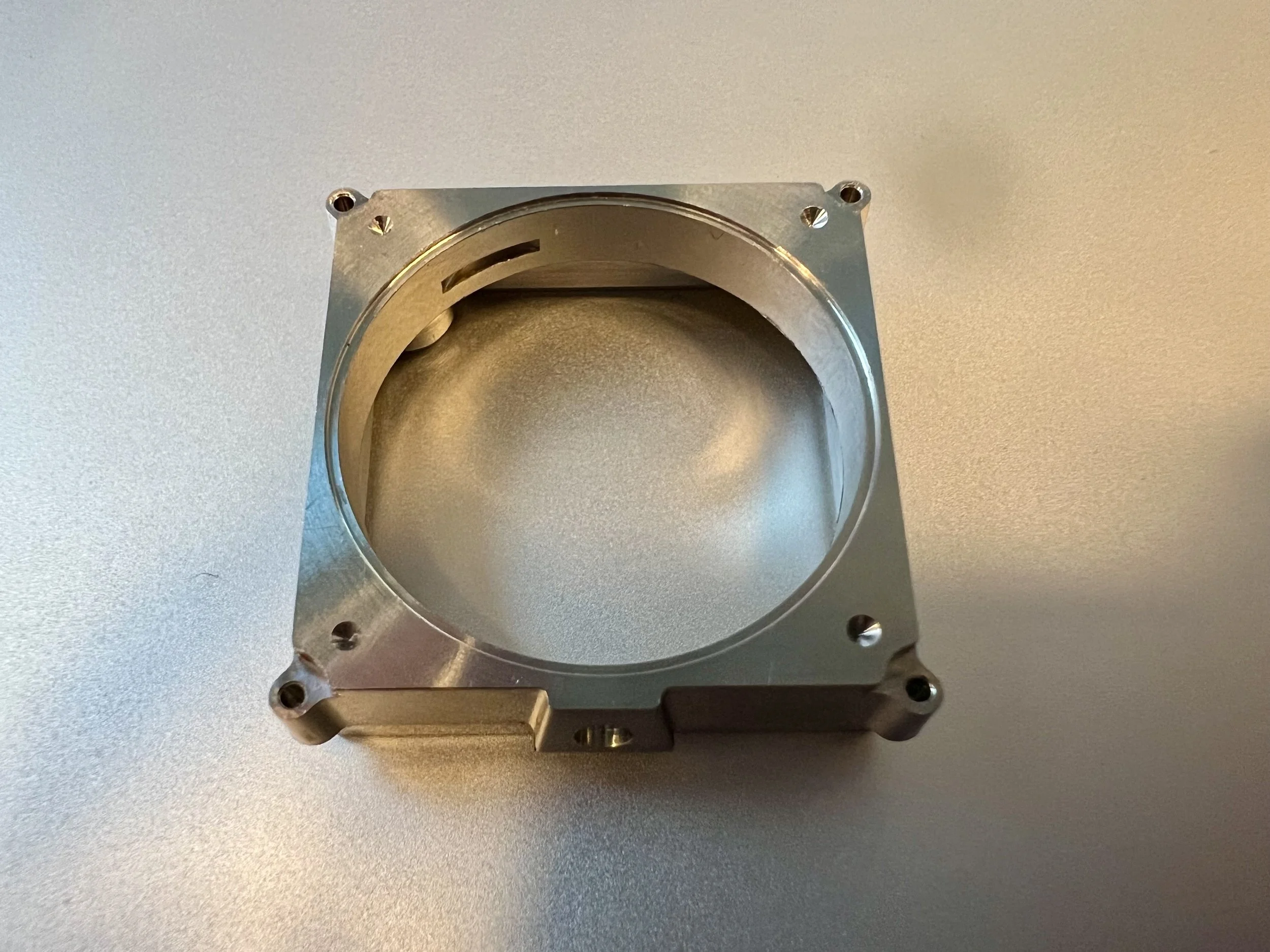
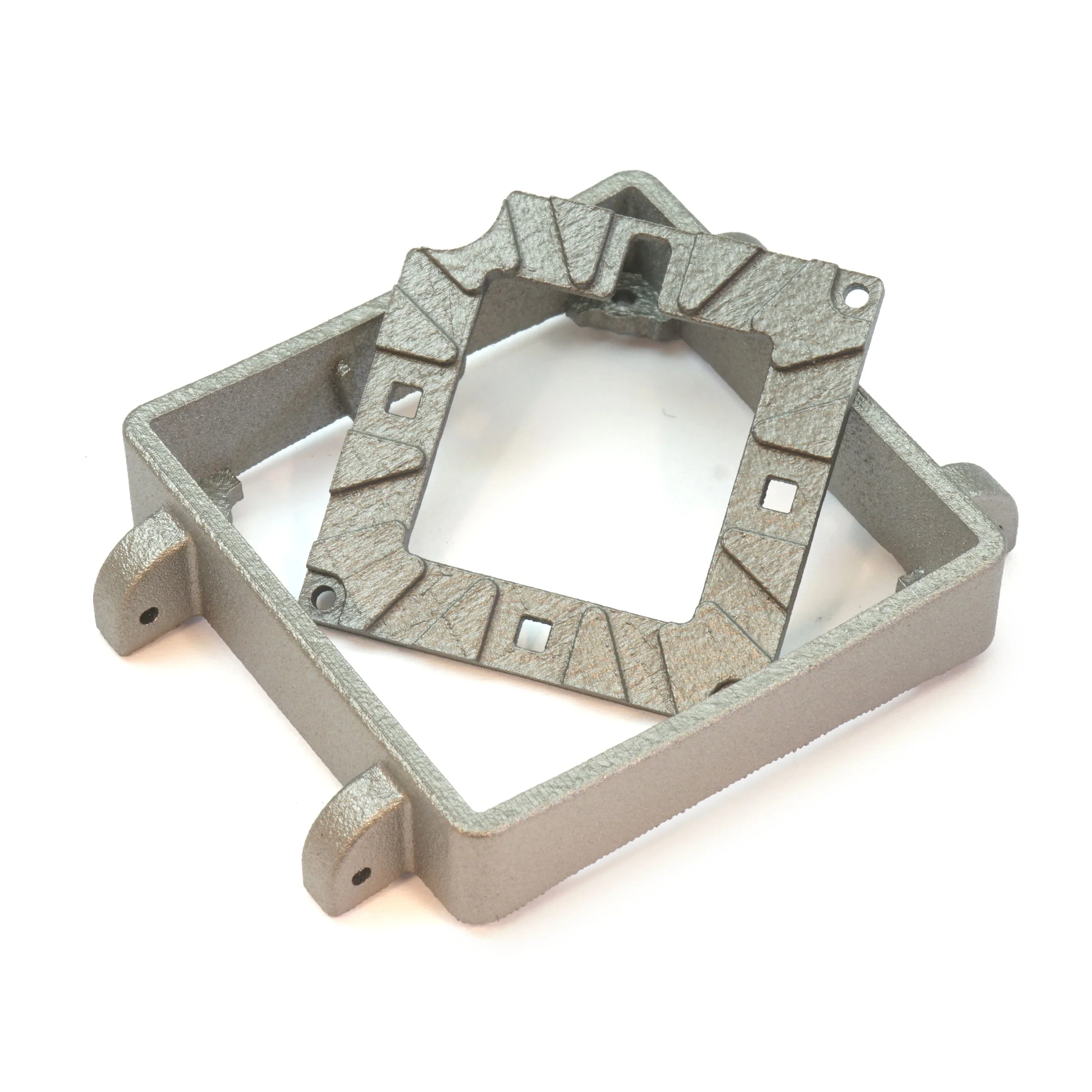
So I reframed the problem. Instead of trying to make the printed part precise, I separated the case into two zones with completely different requirements. The core - the part that holds the movement and manages ingress - I designed to be CNC-machined. The outer case - the expressive interface between core and wrist - remained printed.
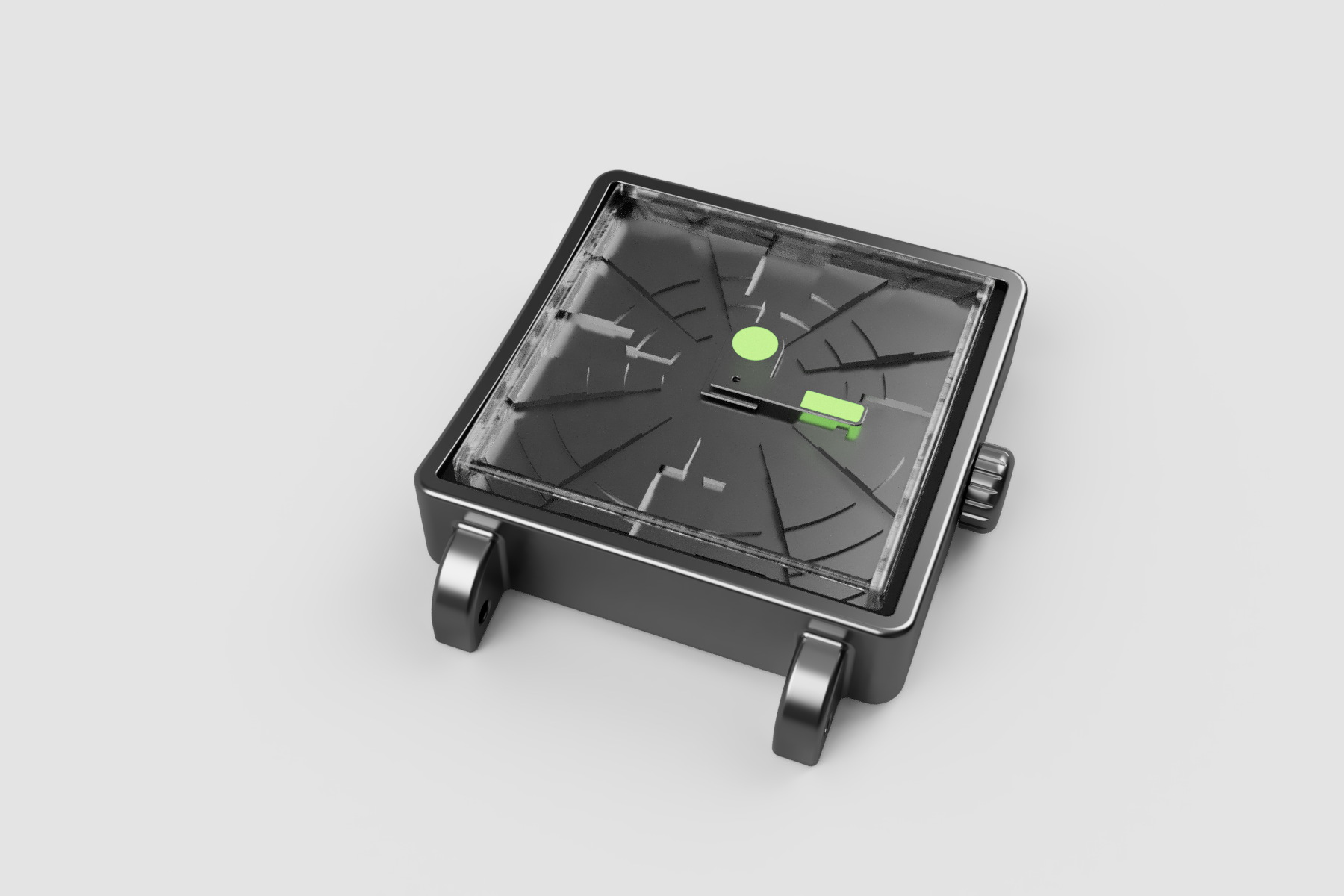
That separation unlocked the design. A surface with no structural obligations can have open lattices, skeletal voids, organic textures, forms that milling can't produce. The printed part isn't compensating for what it can't do - it's doing what it's good at.
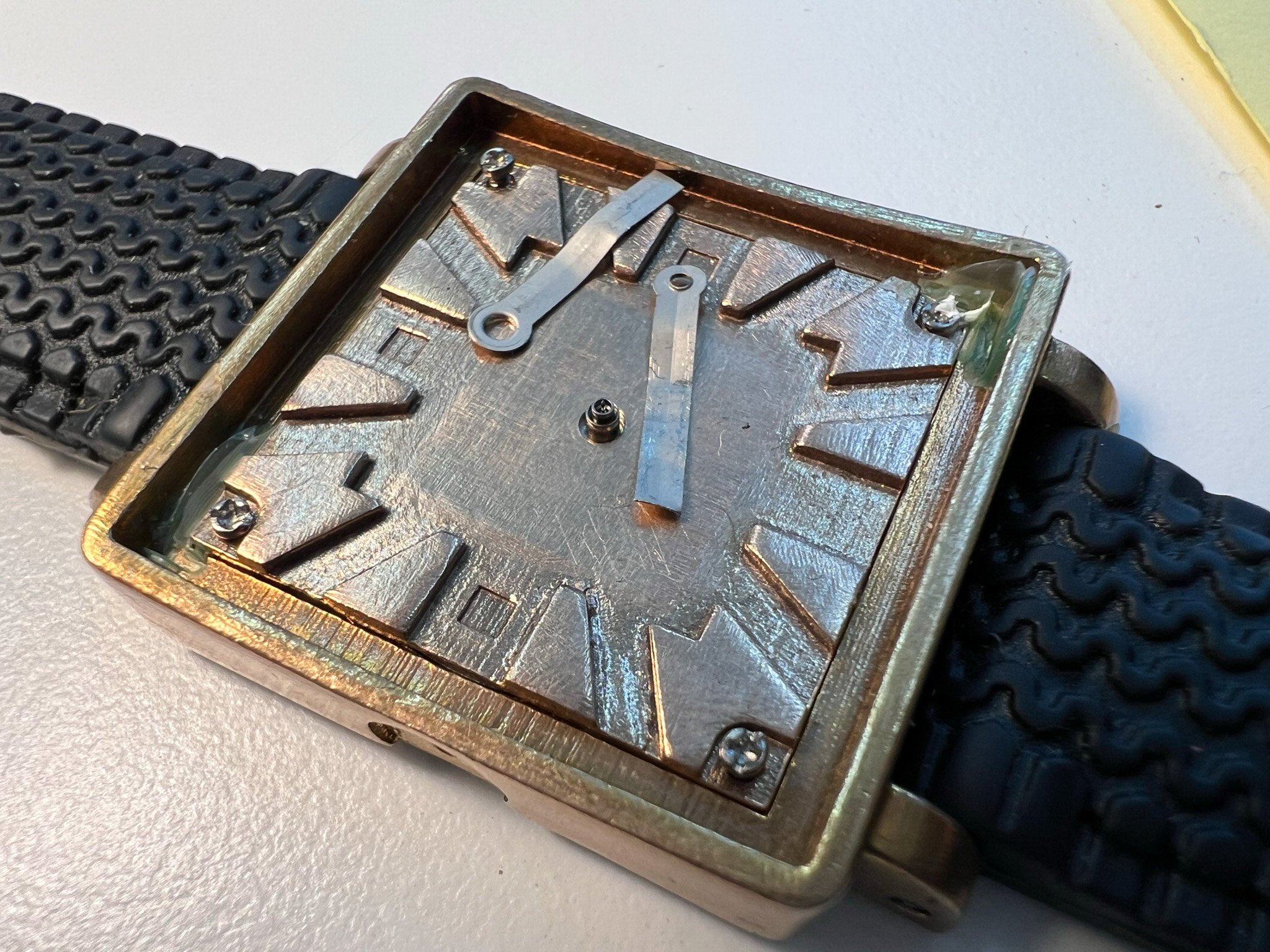
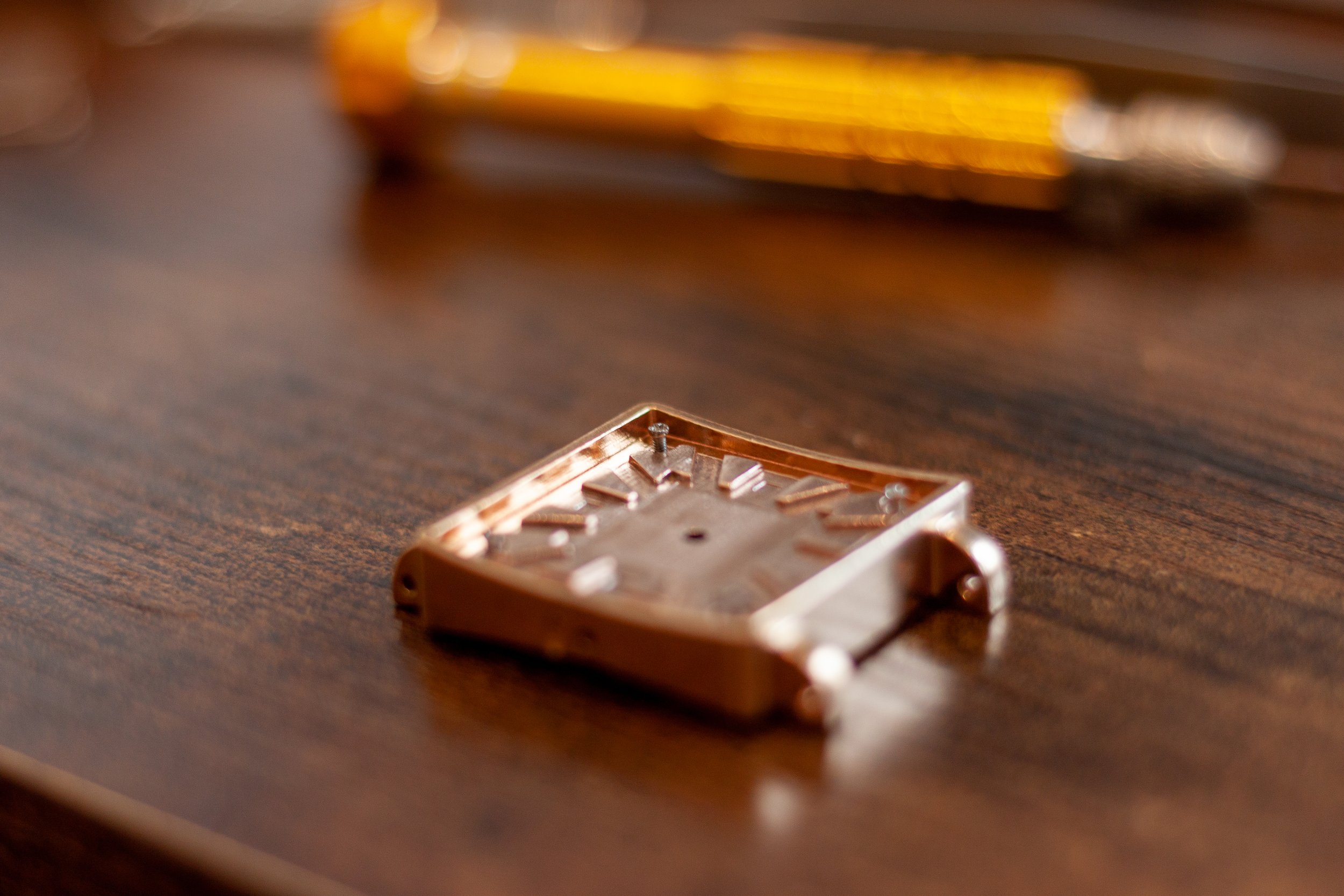
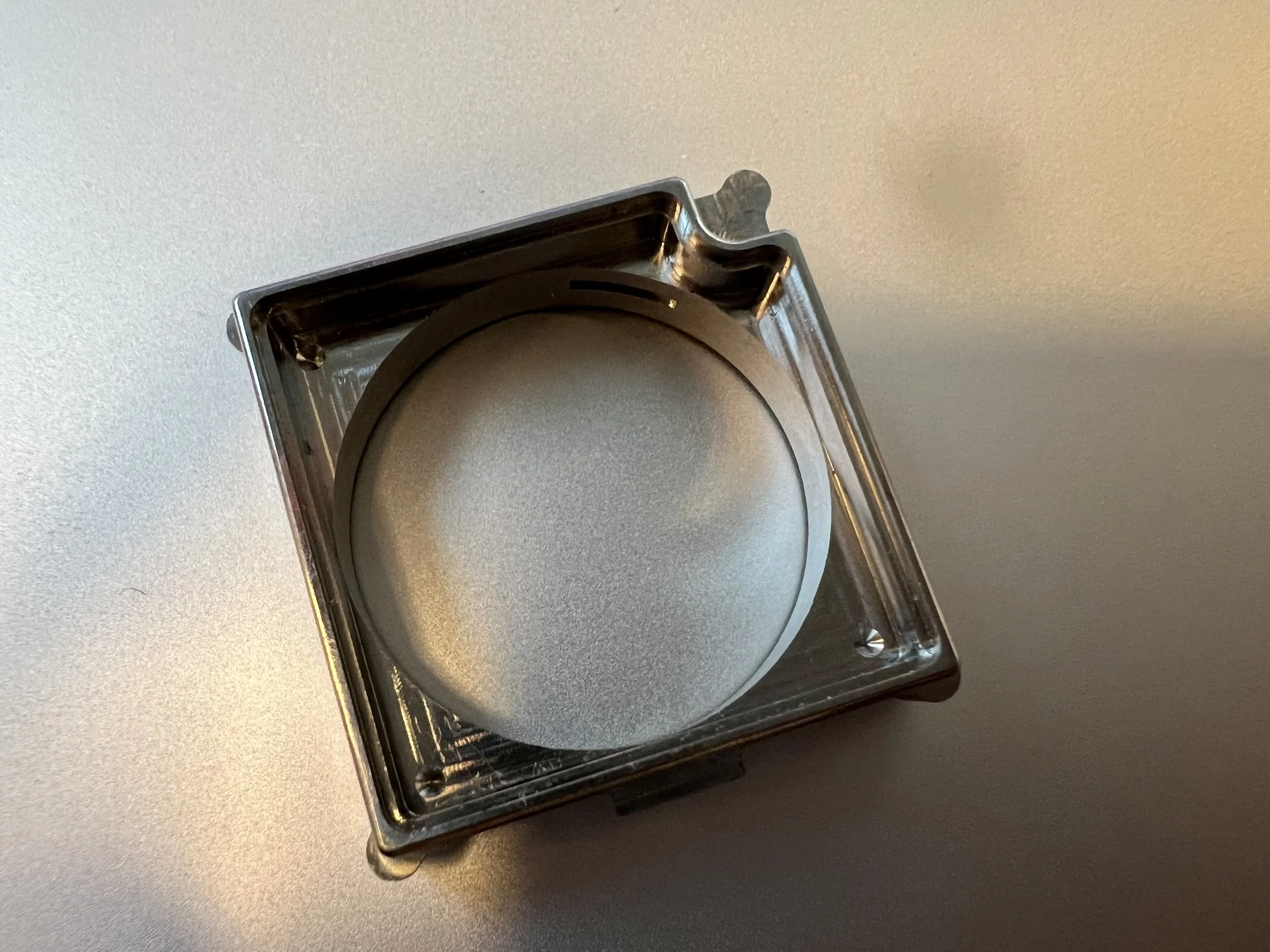
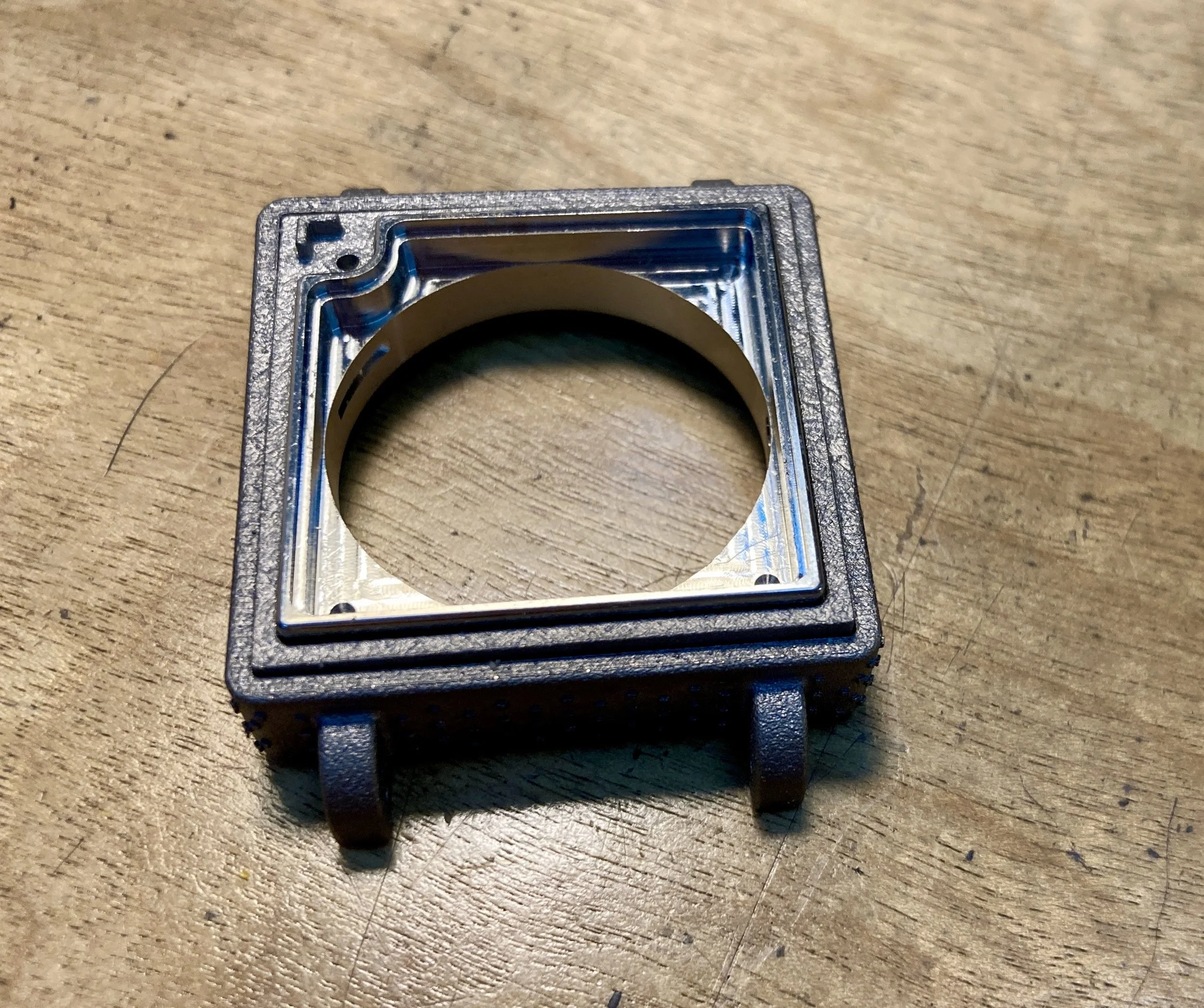
Early fully printed designs (bronze) highlighted process limitations
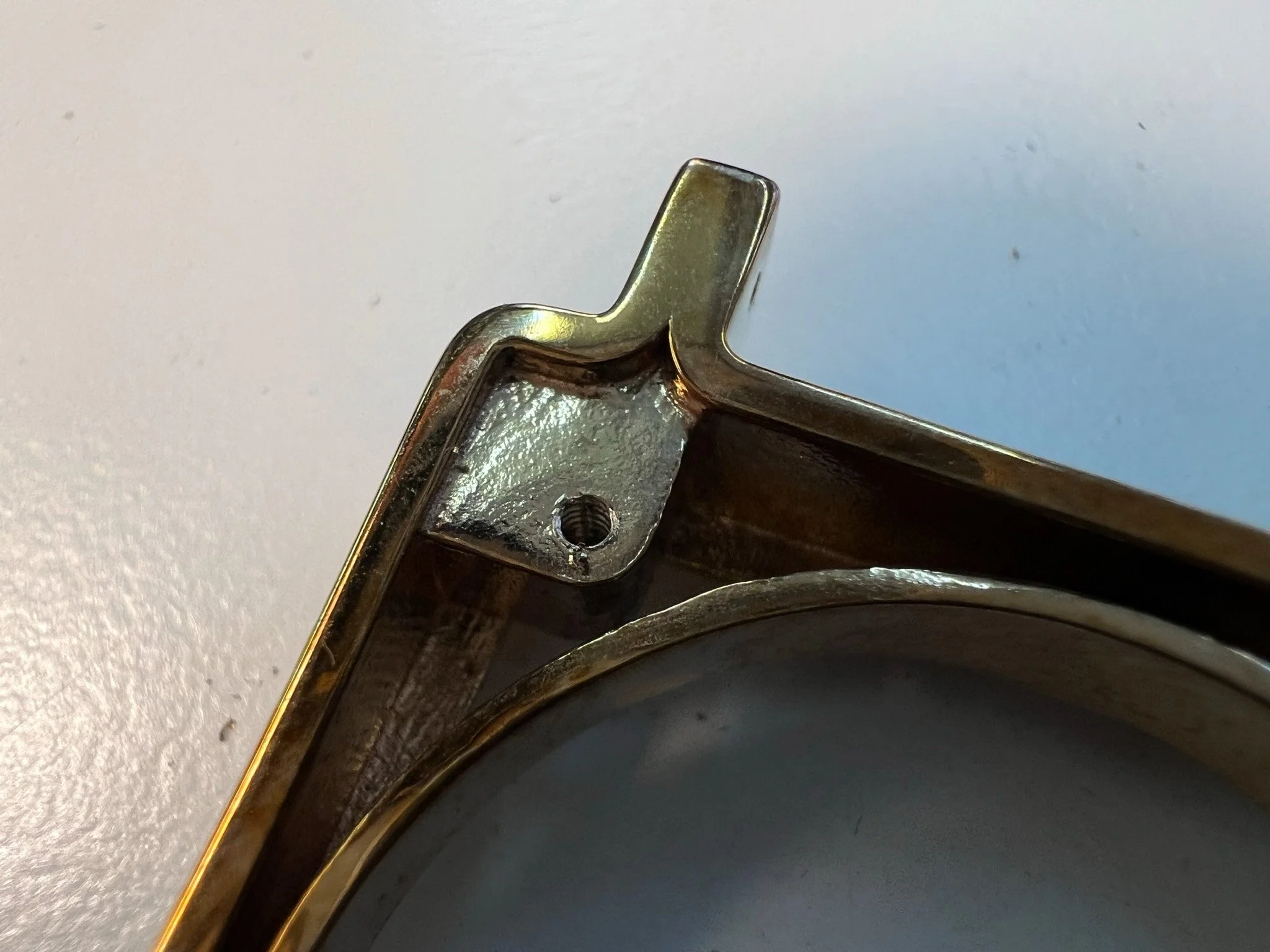
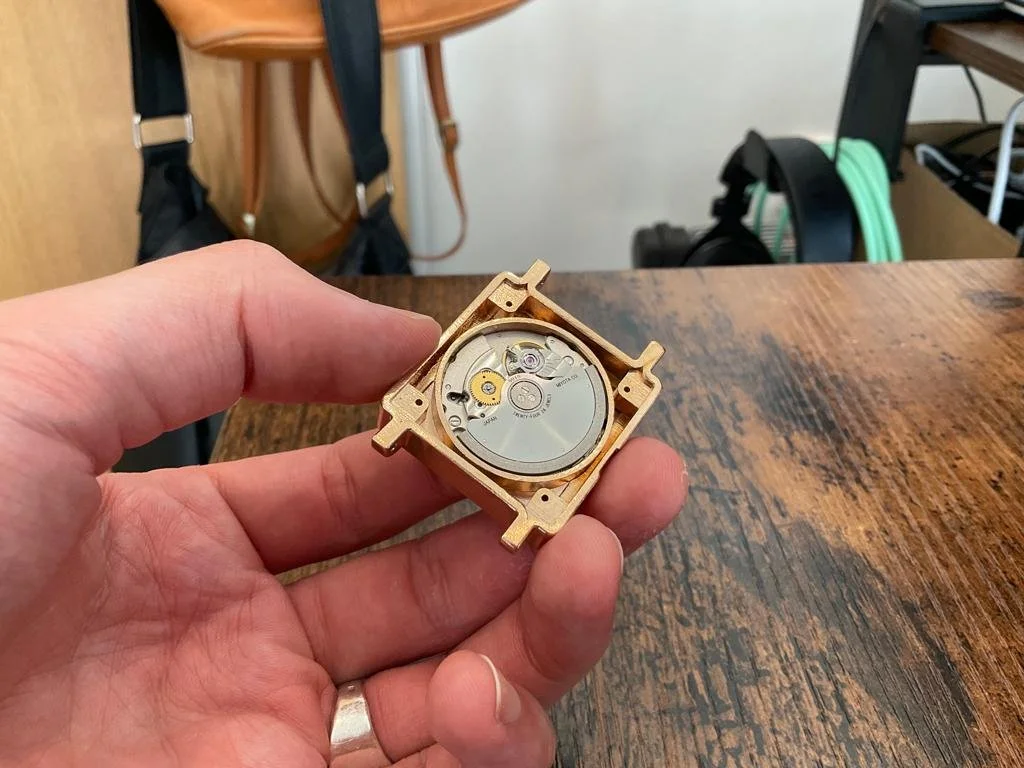
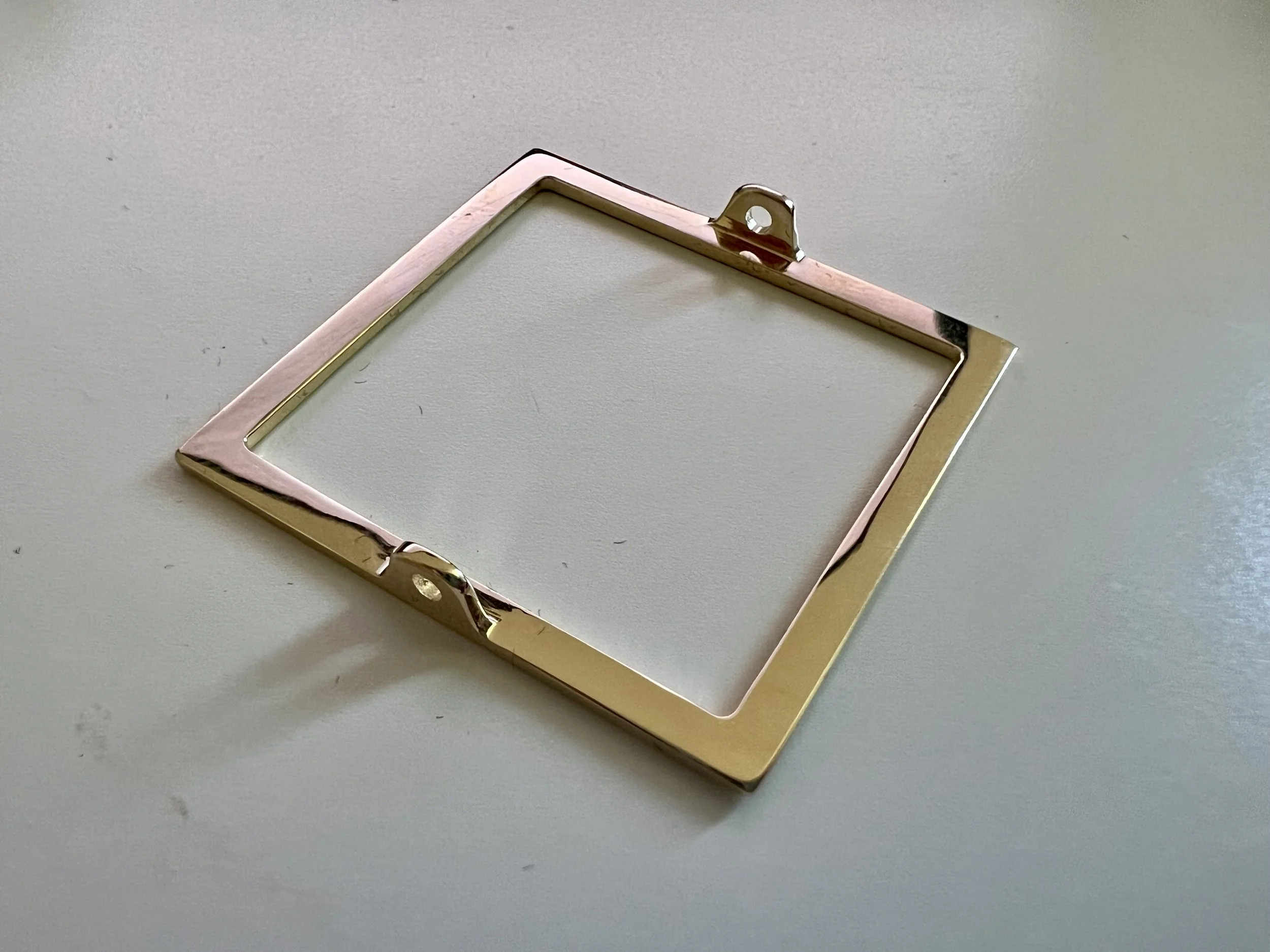
Detail of case-back mount and non-square corner due to print defects
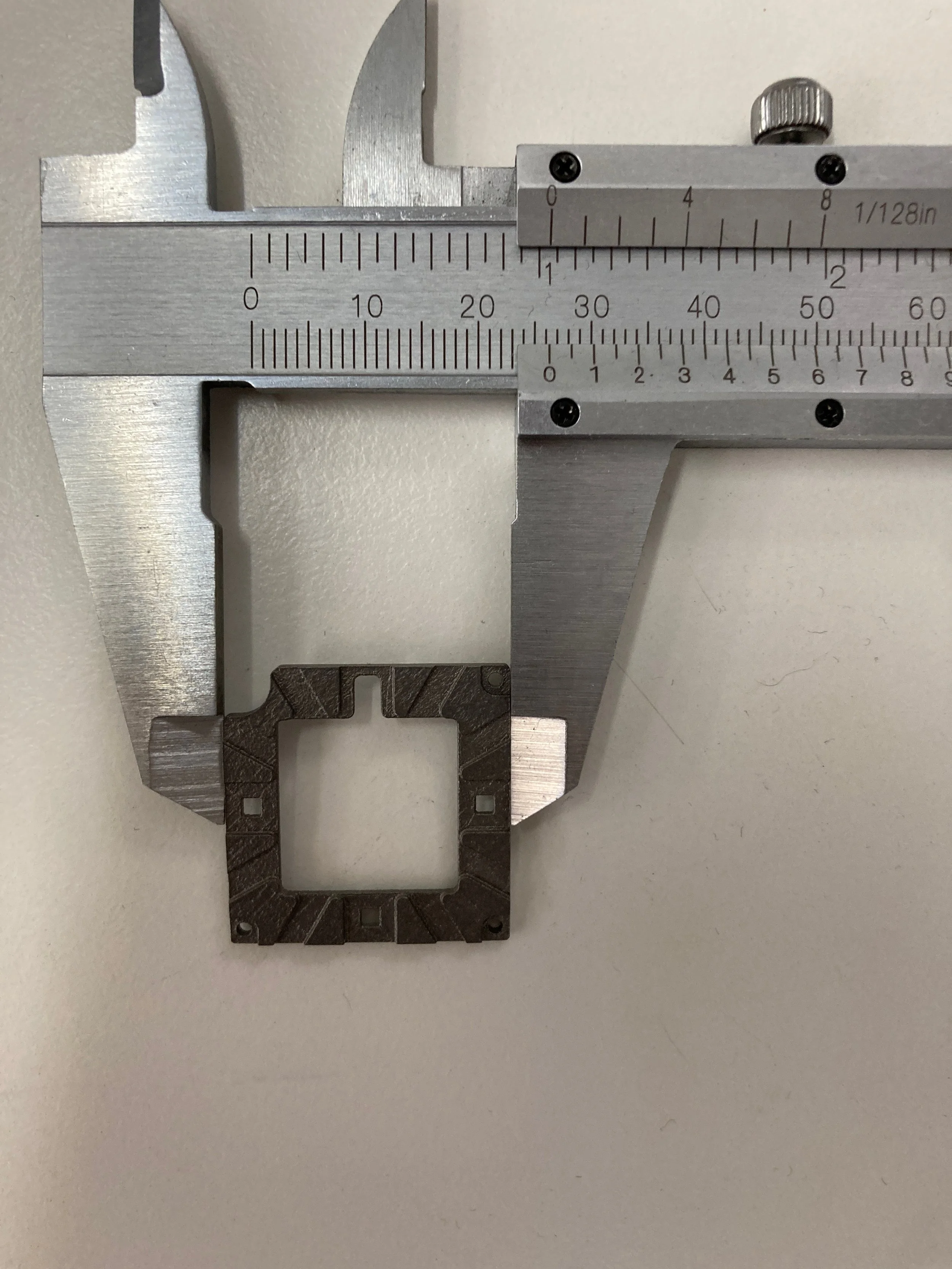
Dimensional consistency issues were quickly encountered
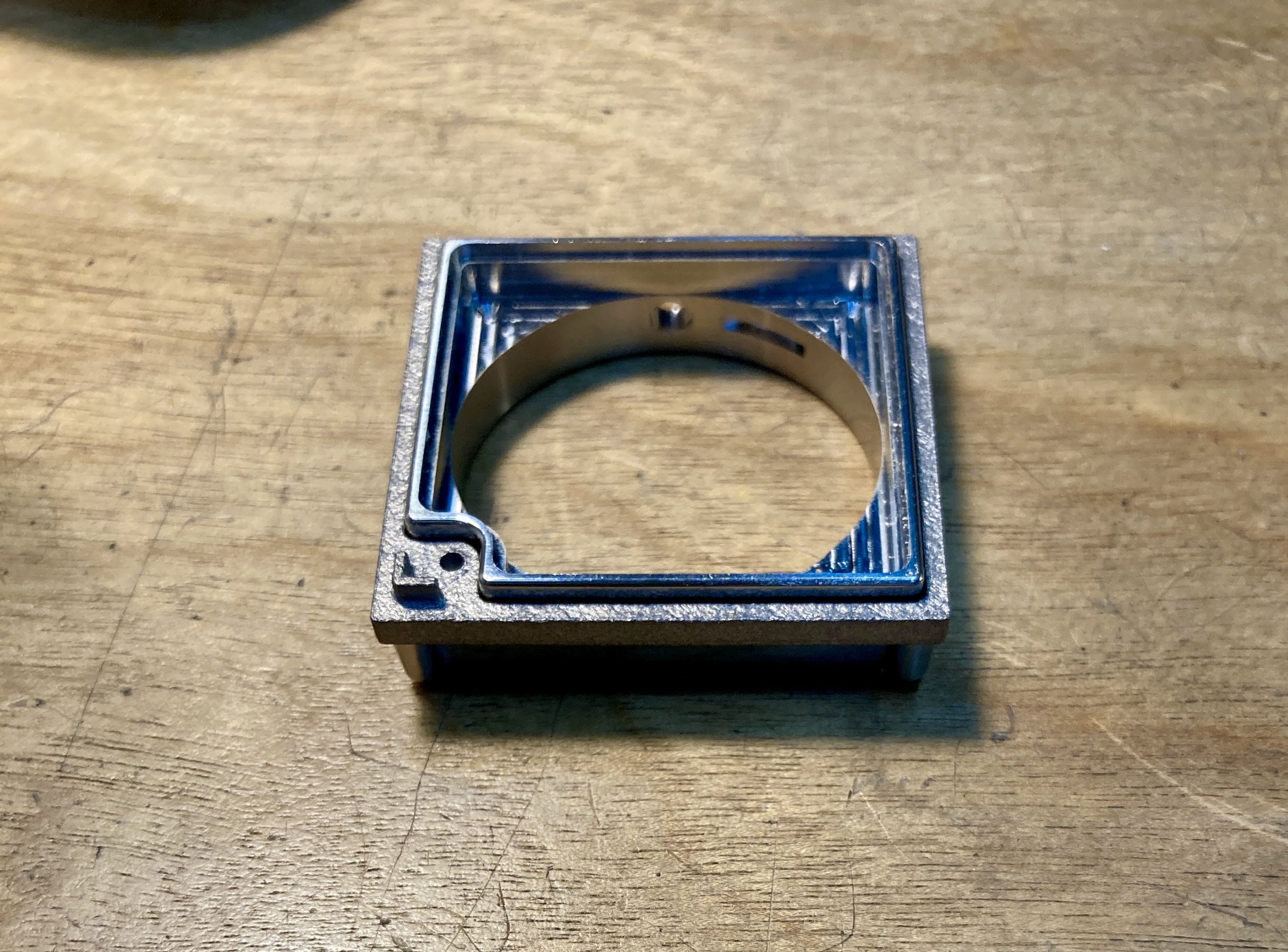
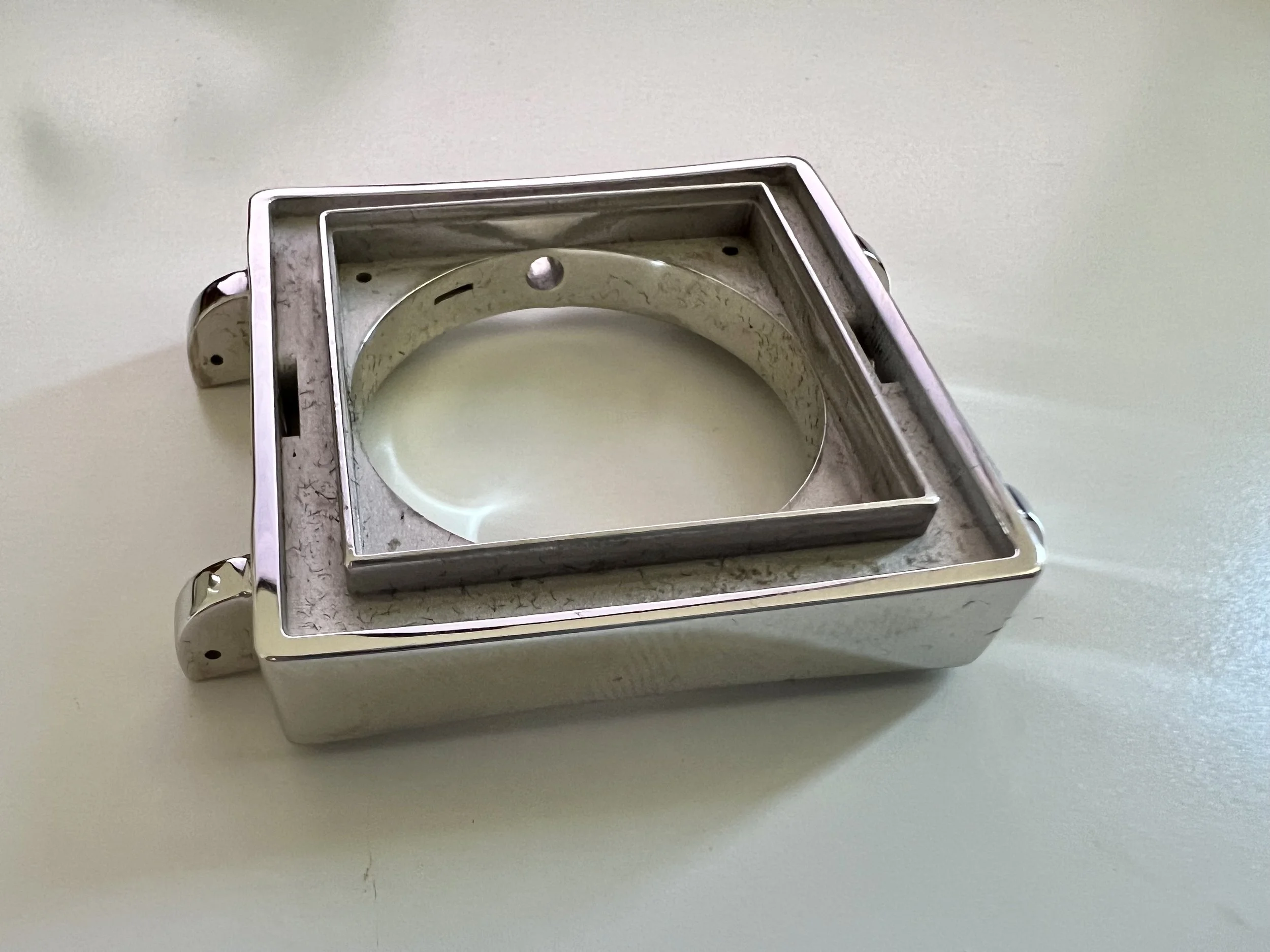
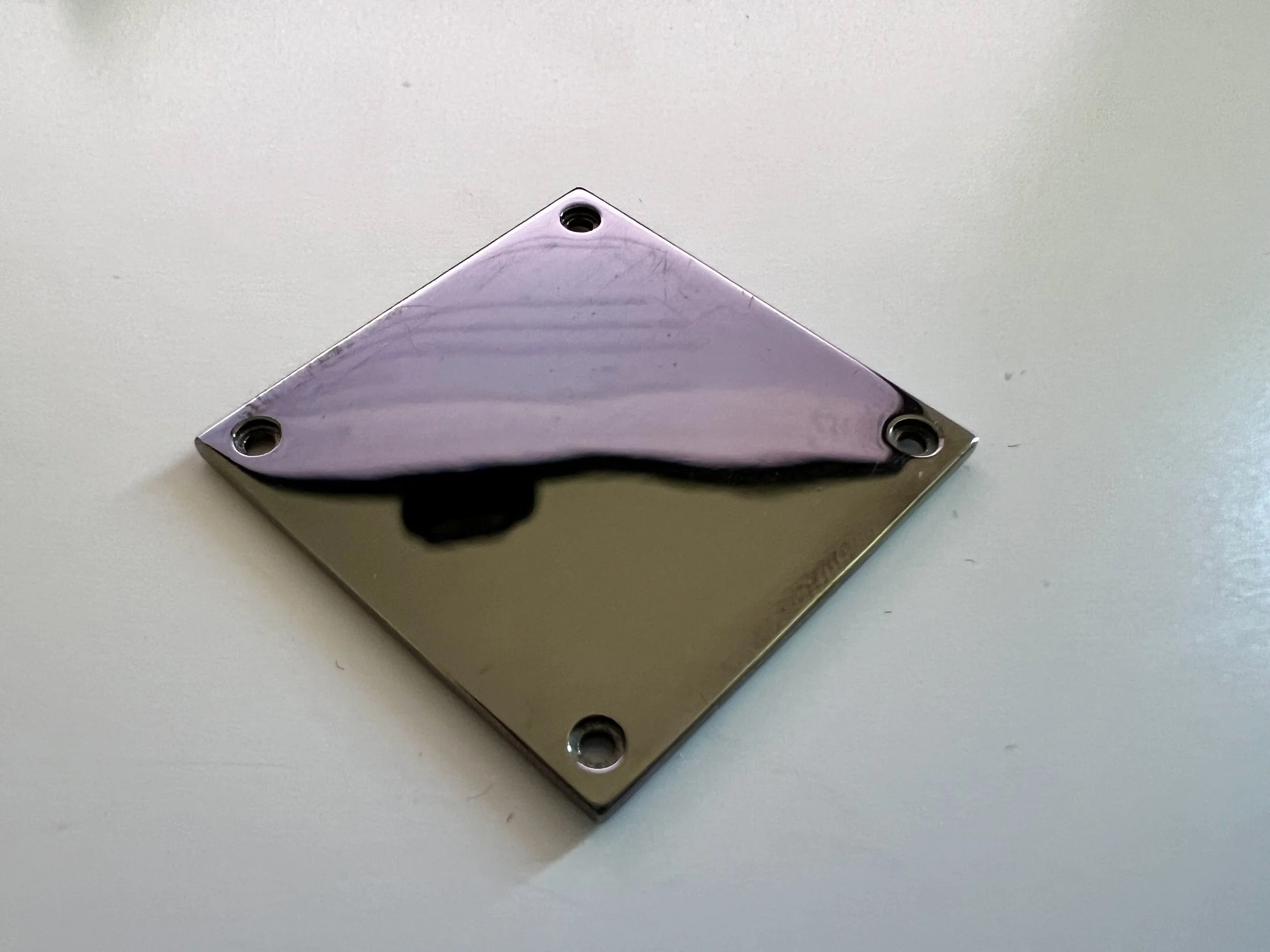
Integration of printed bezel and machined core designed to minimize tolerance stack
A Considered Starting Point
Made-to-order gives a customer agency over their watch, but it doesn't give them a blank canvas. The base design is my contribution to what a watch can be, while still accommodating customer input.
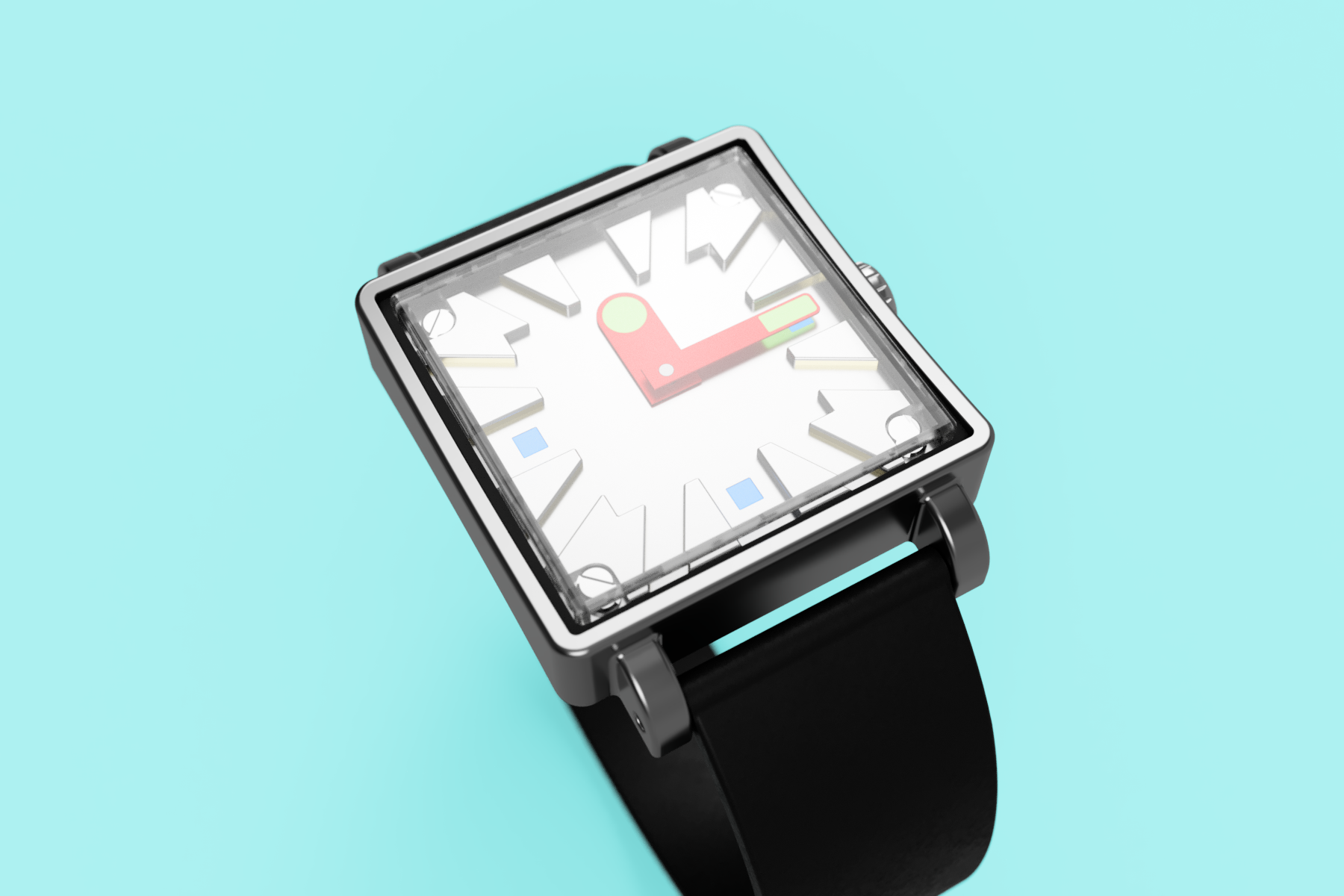
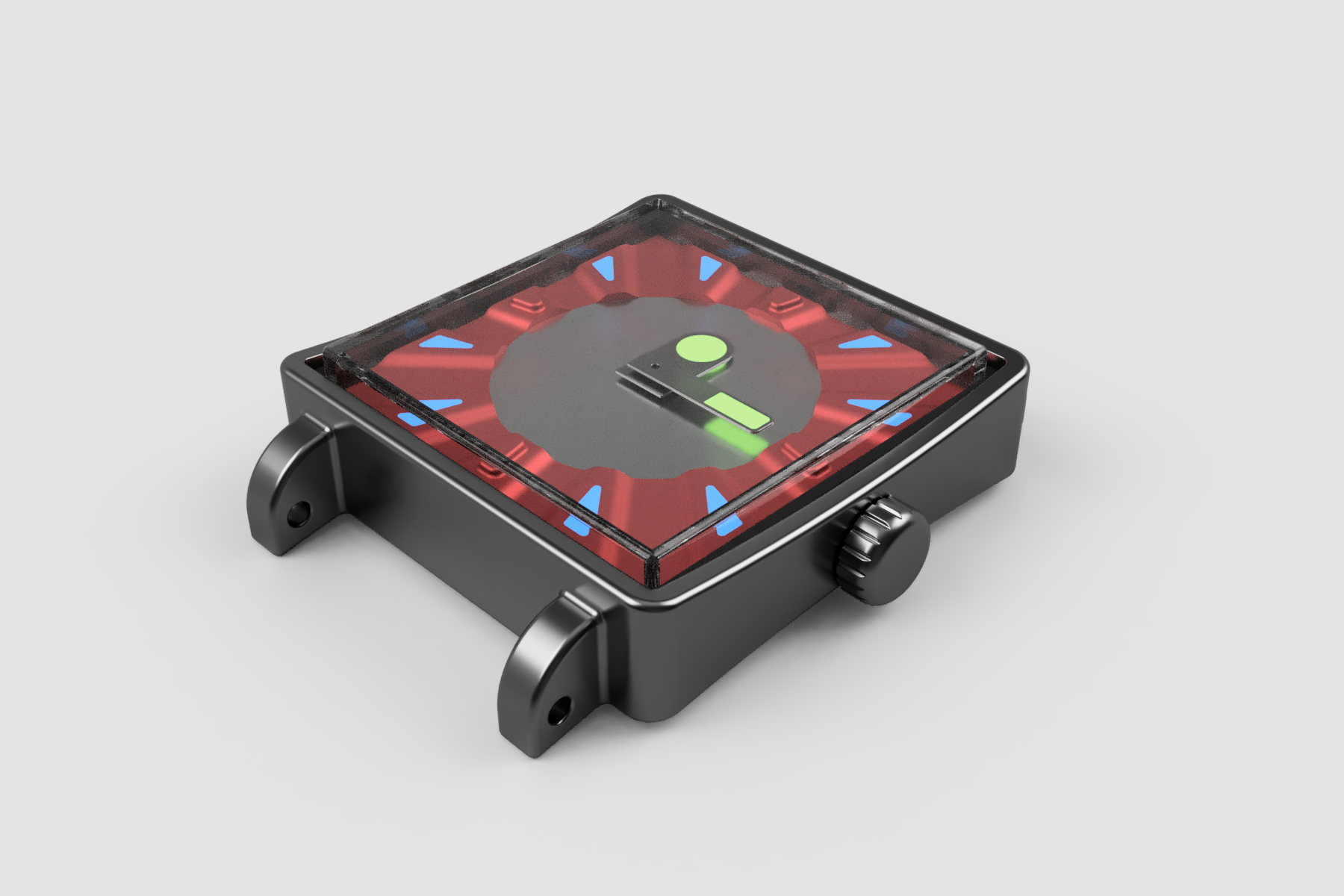
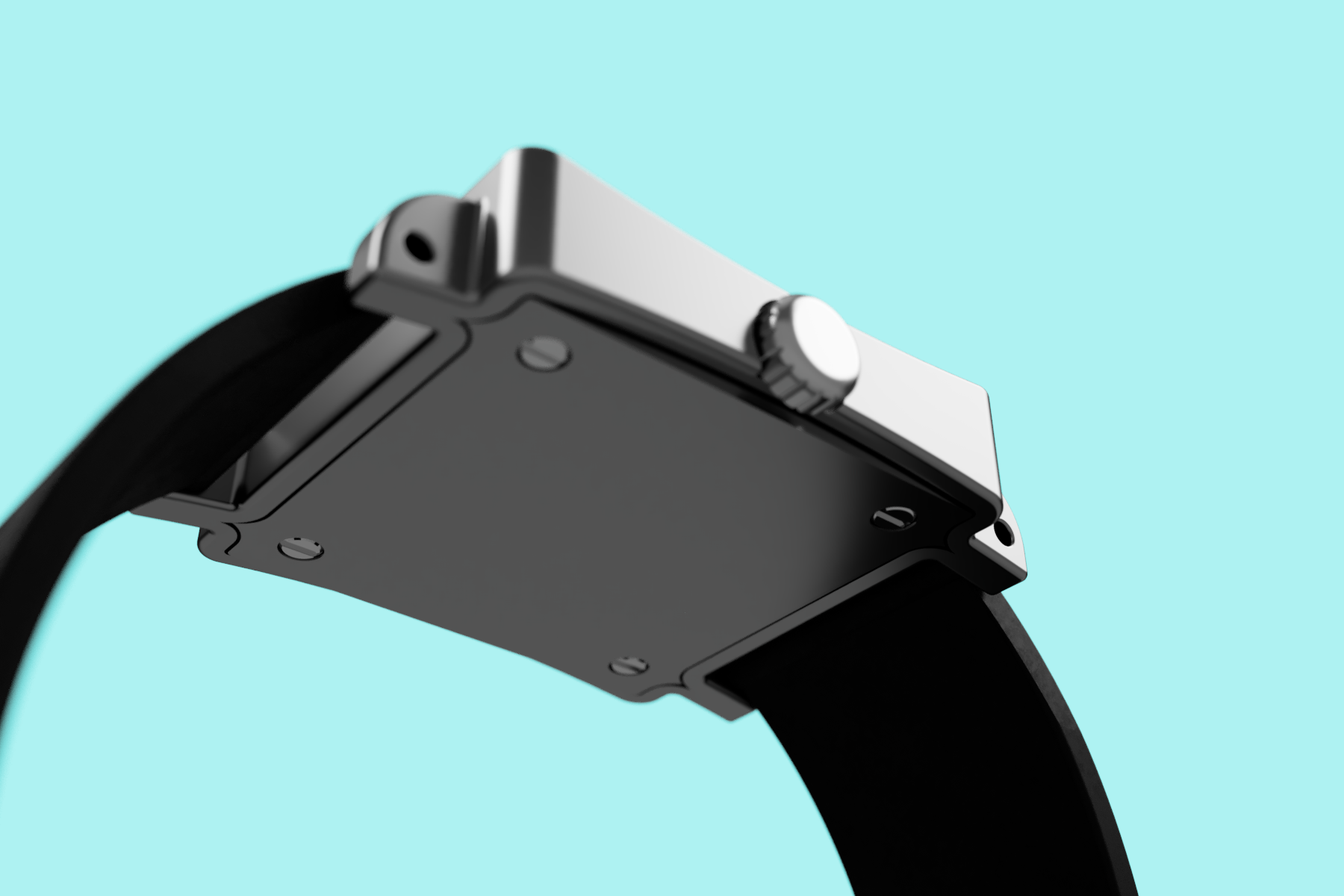
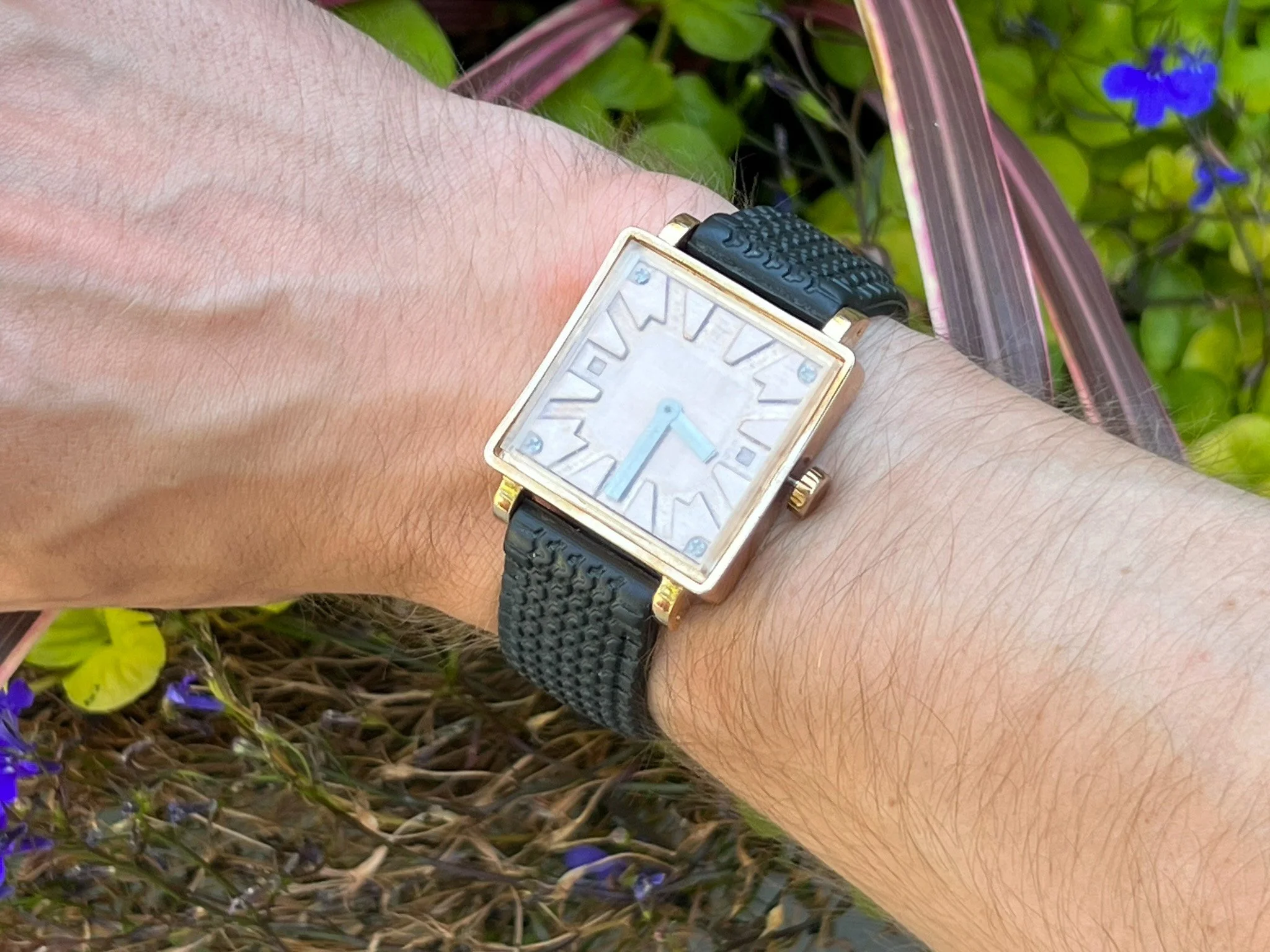
The form is built on a deliberate tension. From above, the watch is unambiguously rectilinear - right angles and straight line intersections, a shape that reads as graphic and intentional against the wrist. Rotate it ninety degrees and the watch is almost entirely curves, the profile softening to meet the organic contour of the wrist beneath it. The same object reads as two different things depending on where you're standing.
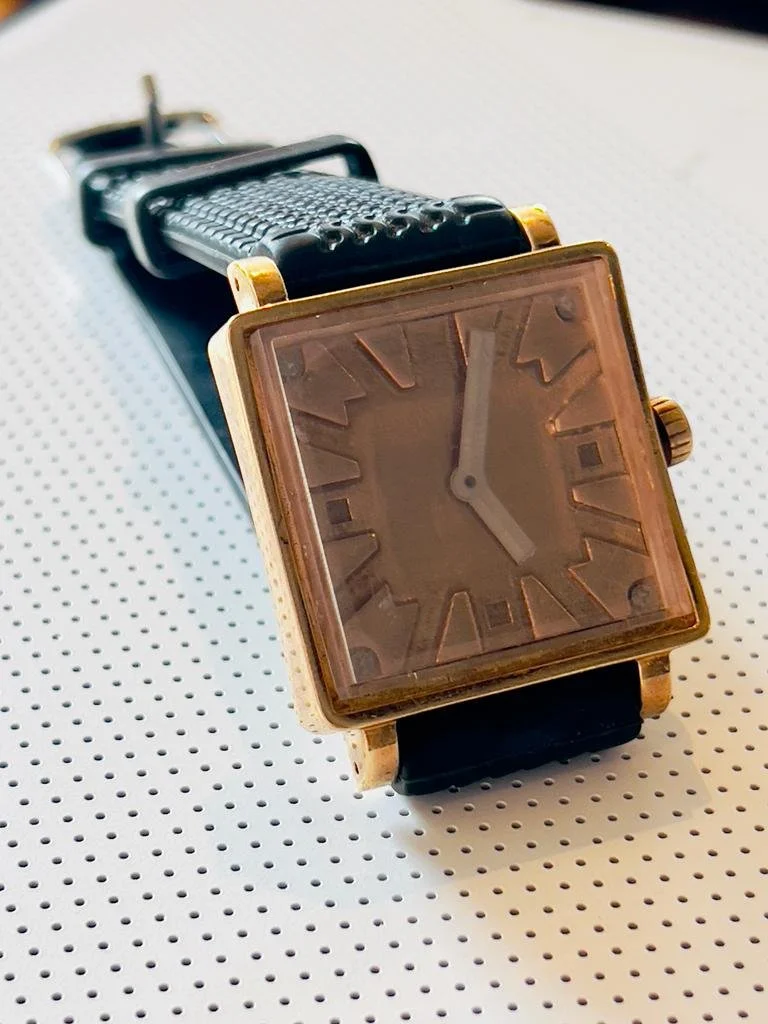
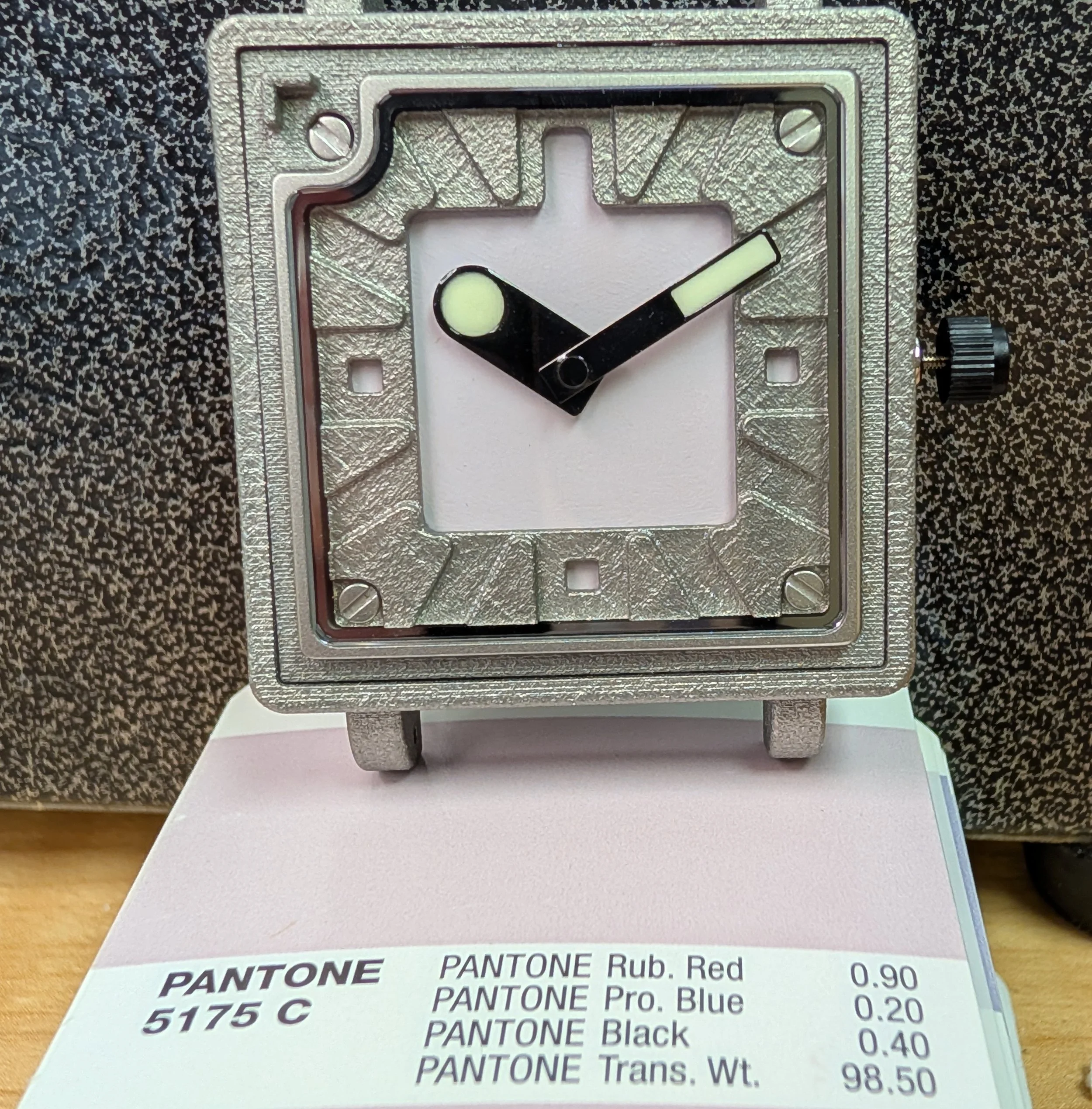
Depth was the other early commitment. The indices are carved into the dial rather than applied to its surface - recessed geometry that creates shadow and dimension at any angle. This was informed by the nature of 3D printing - building form in layers, accumulating depth part of the process. Carving into a printed surface plays to that logic rather than ignoring it, producing detail that feels sympathetic to how the part was made.
Both decisions were made early and held through prototyping. Manufacturability shaped the execution but not the intent.
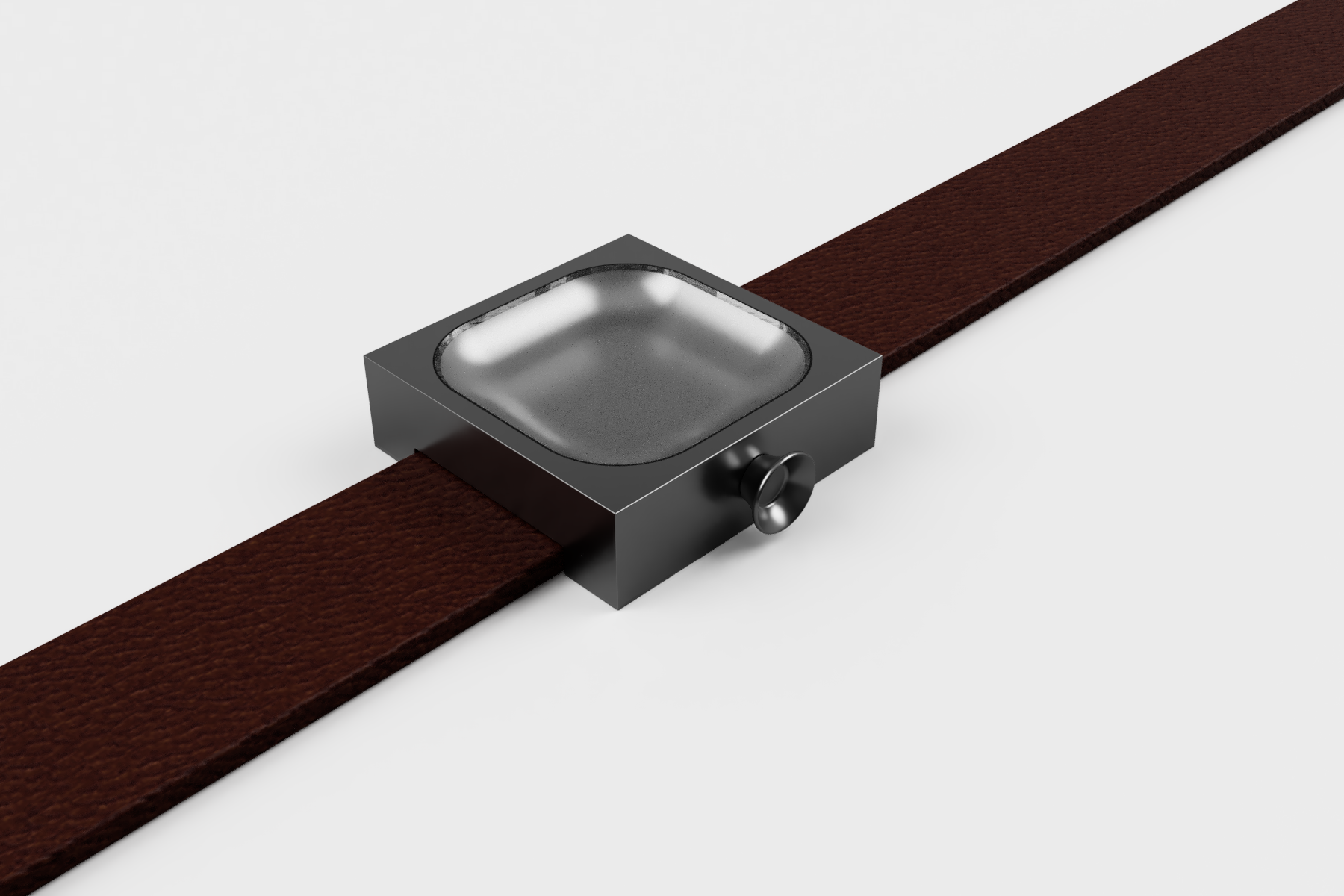
Early forms emphasized the square - but felt simplistic rather than simple
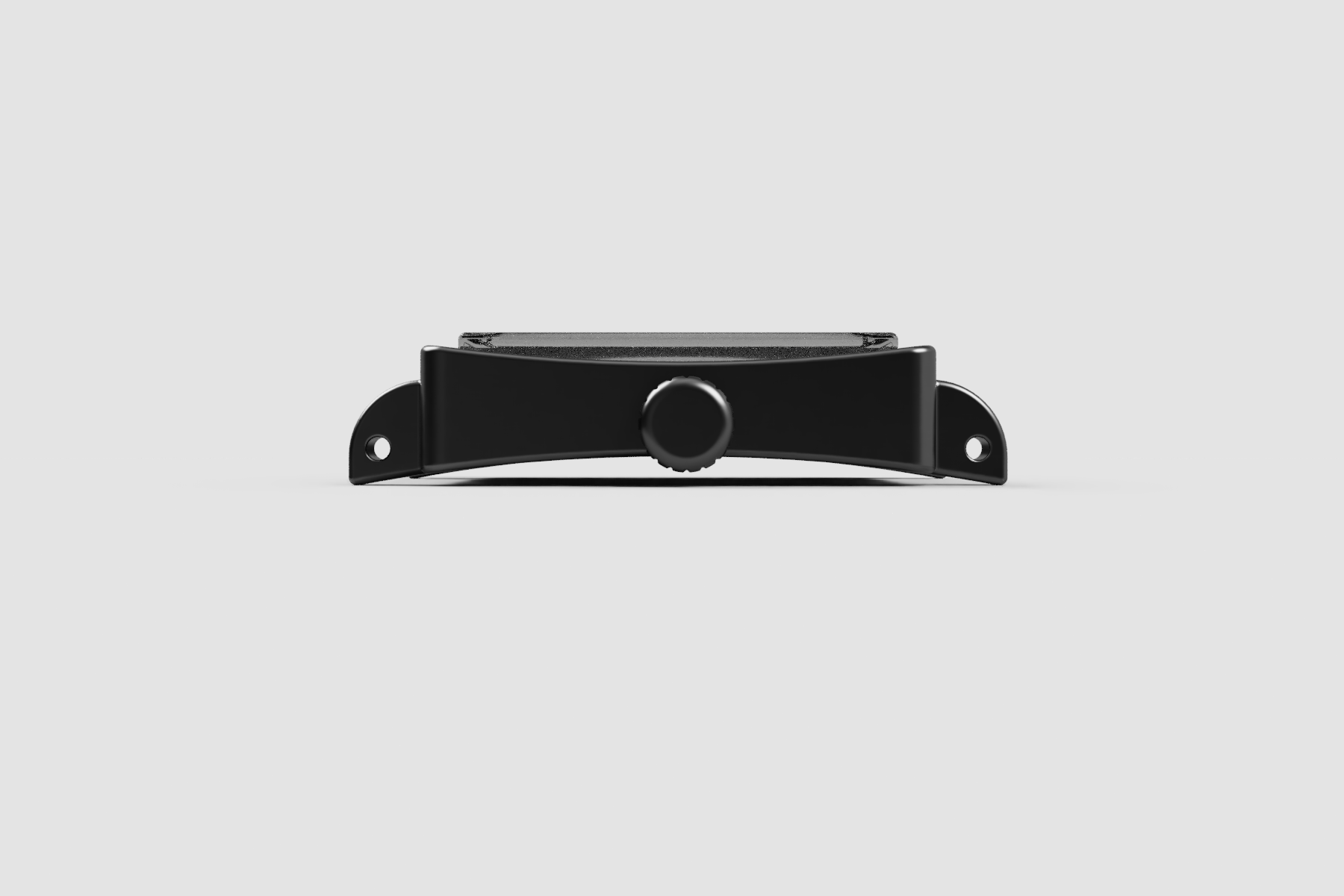
The curved cross-section is sympathetic to the curved surface of the wrist
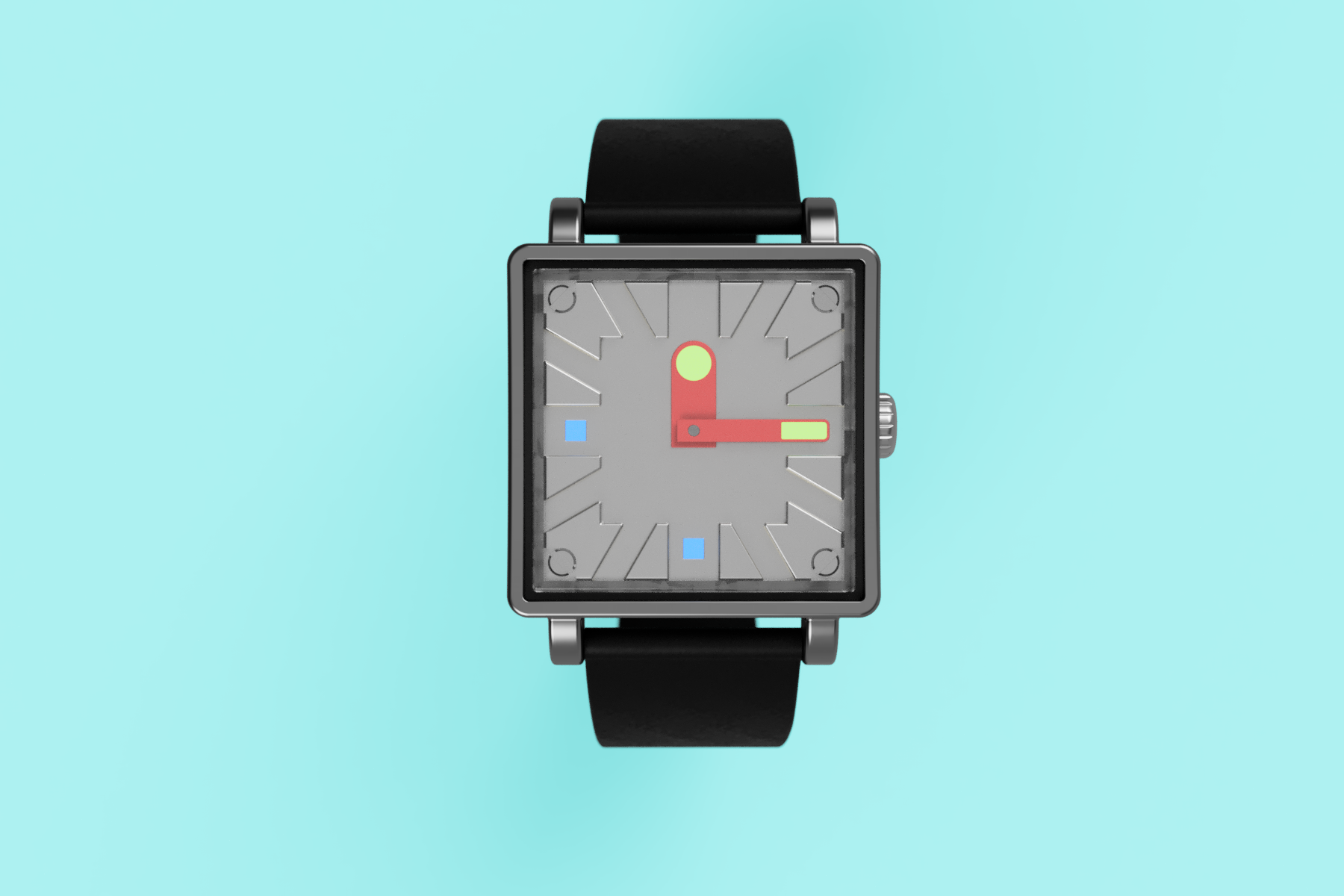
The front view can celebrate rectilinearity without sacrificing comfort
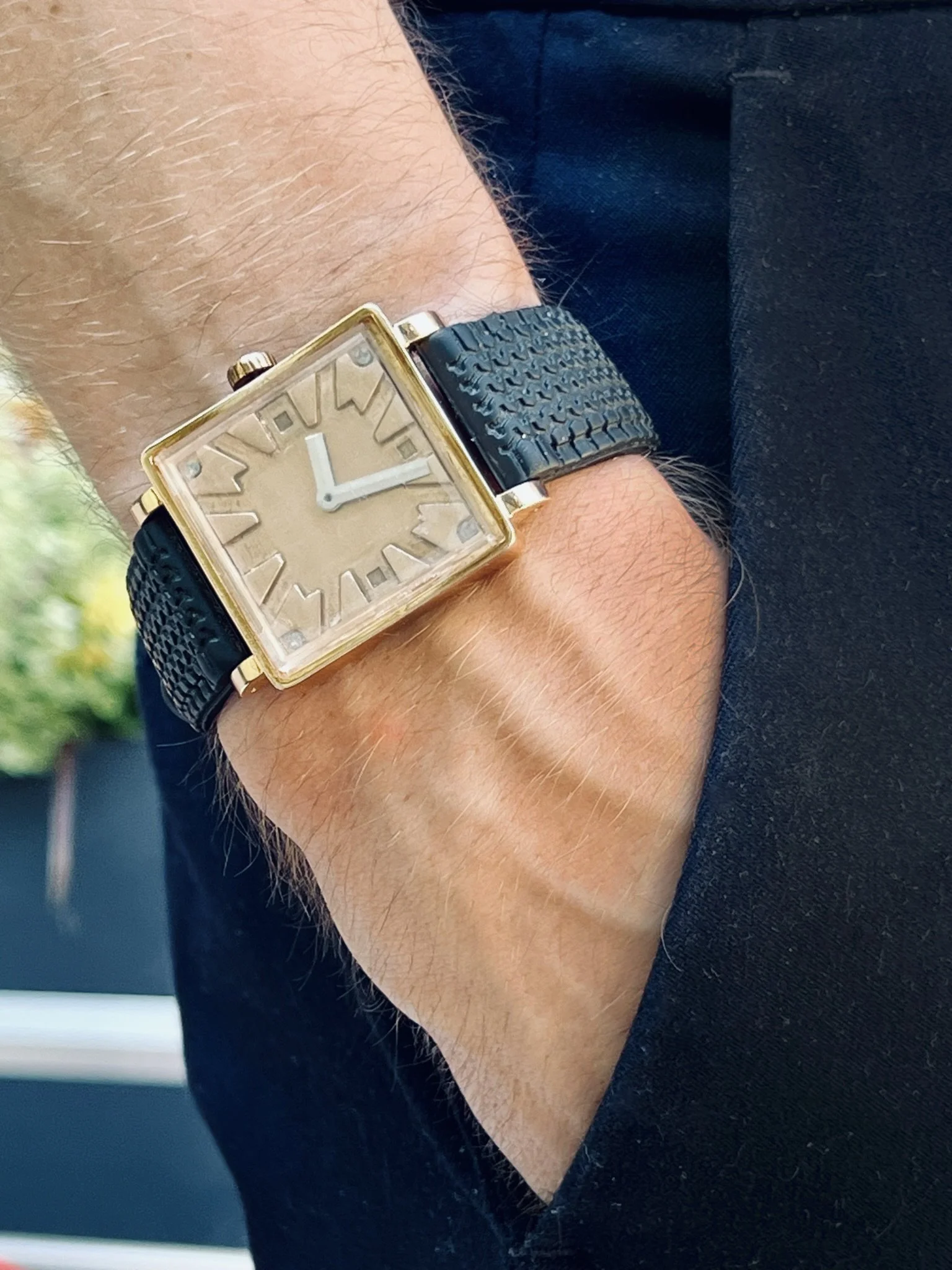
Ergonomics and comfort were explored early into the process
Make It Yours
I wanted to give customers unprecedented agency over their watch, not just a few color/size variations. That meant deciding early what was fixed and what wasn't. The movement - a Sellita SW-200 - was chose as a workhorse caliber that any watchmaker can service. I didn't want a customer to end up with a watch that only one person in the world knows how to maintain.
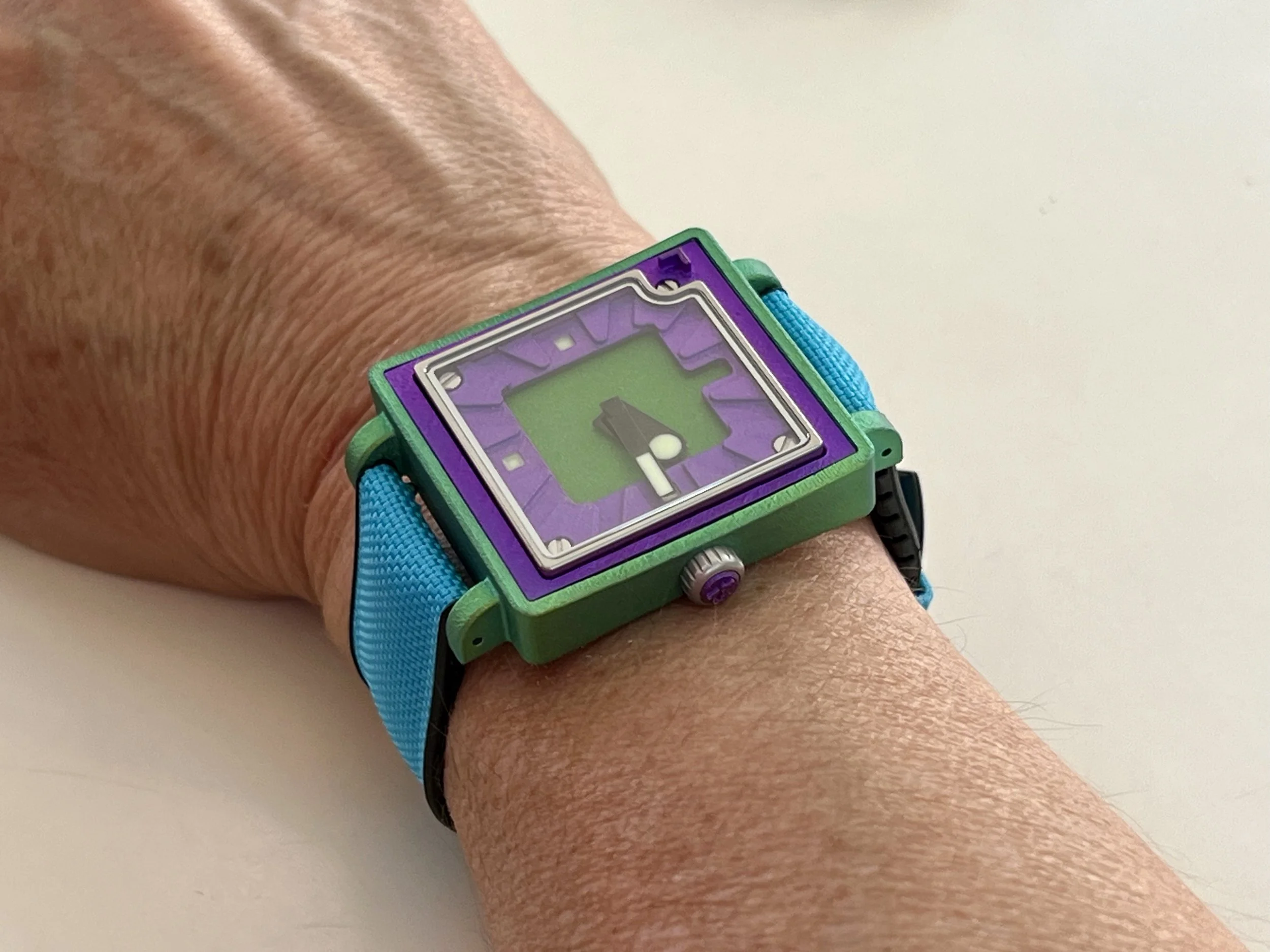
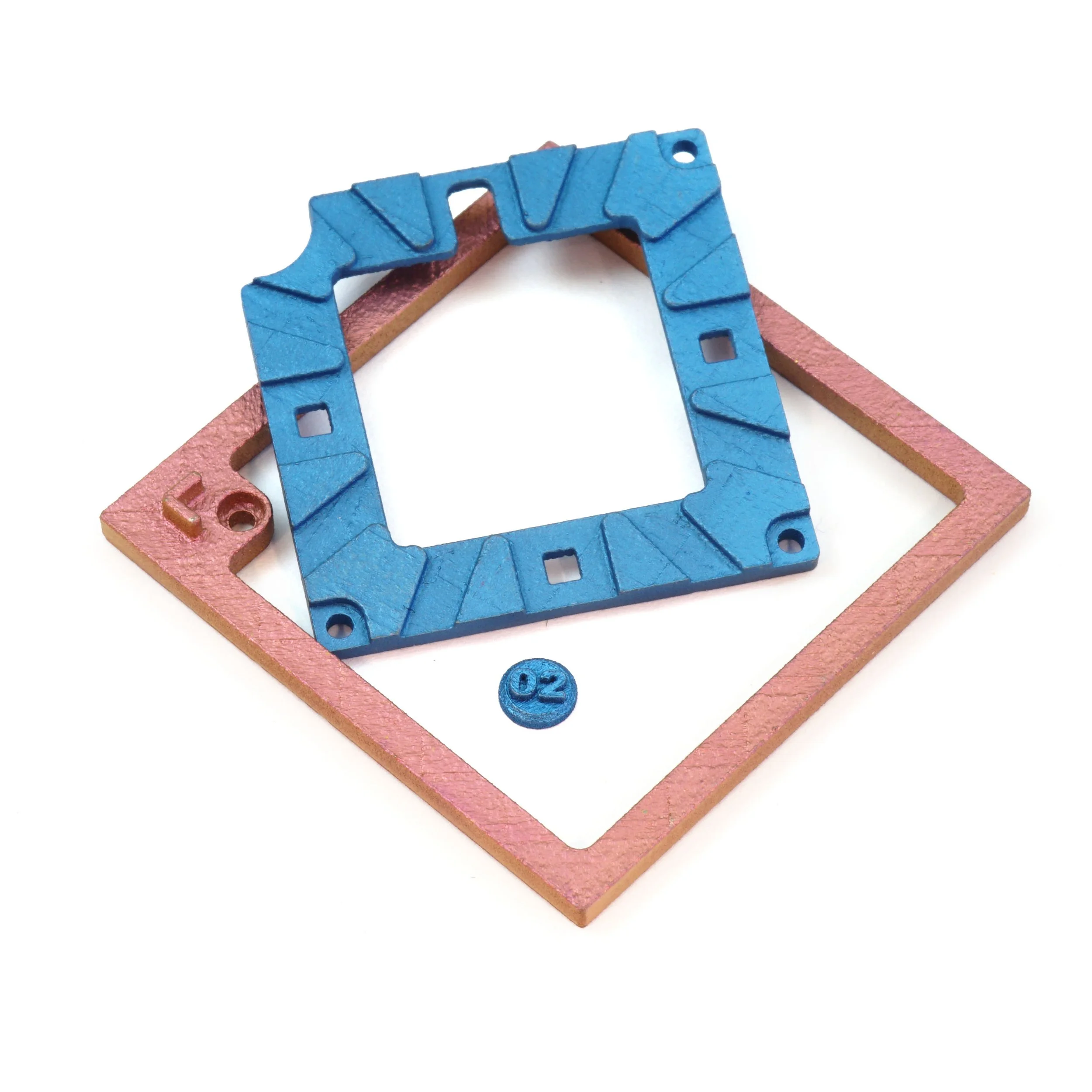
Everything else I opened up. Case proportions, detailing, crown insert, bezel - each aspect unique to the tenth of a millimeter. The bezel insert I designed specifically to be user-swappable with a single screw, so a customer could change the character of the watch at home. The implementation of this doubled as an iconic detail - the corner cutout for access to the screw.
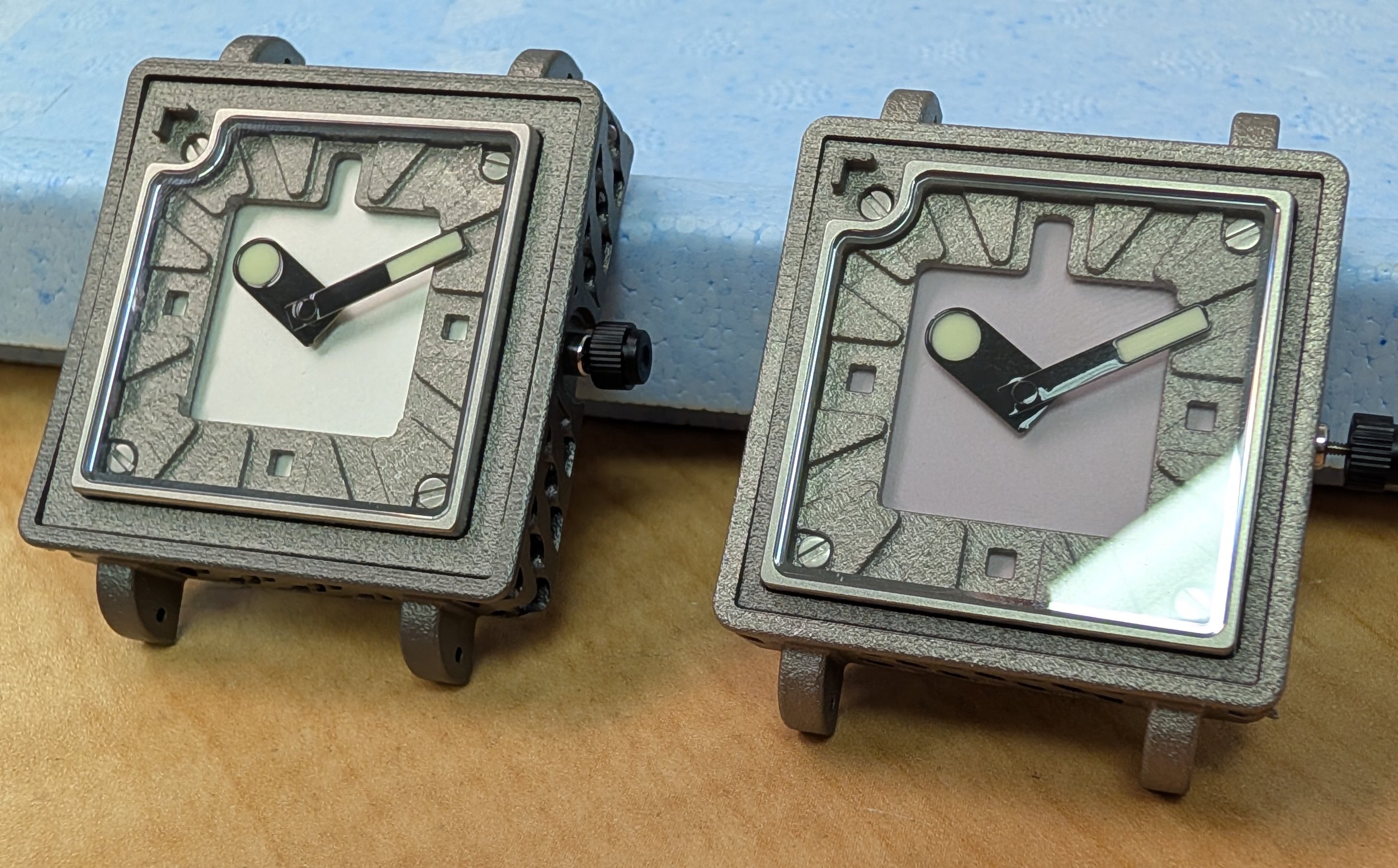
Case size can vary from 35mm to whatever the customer finds appealing
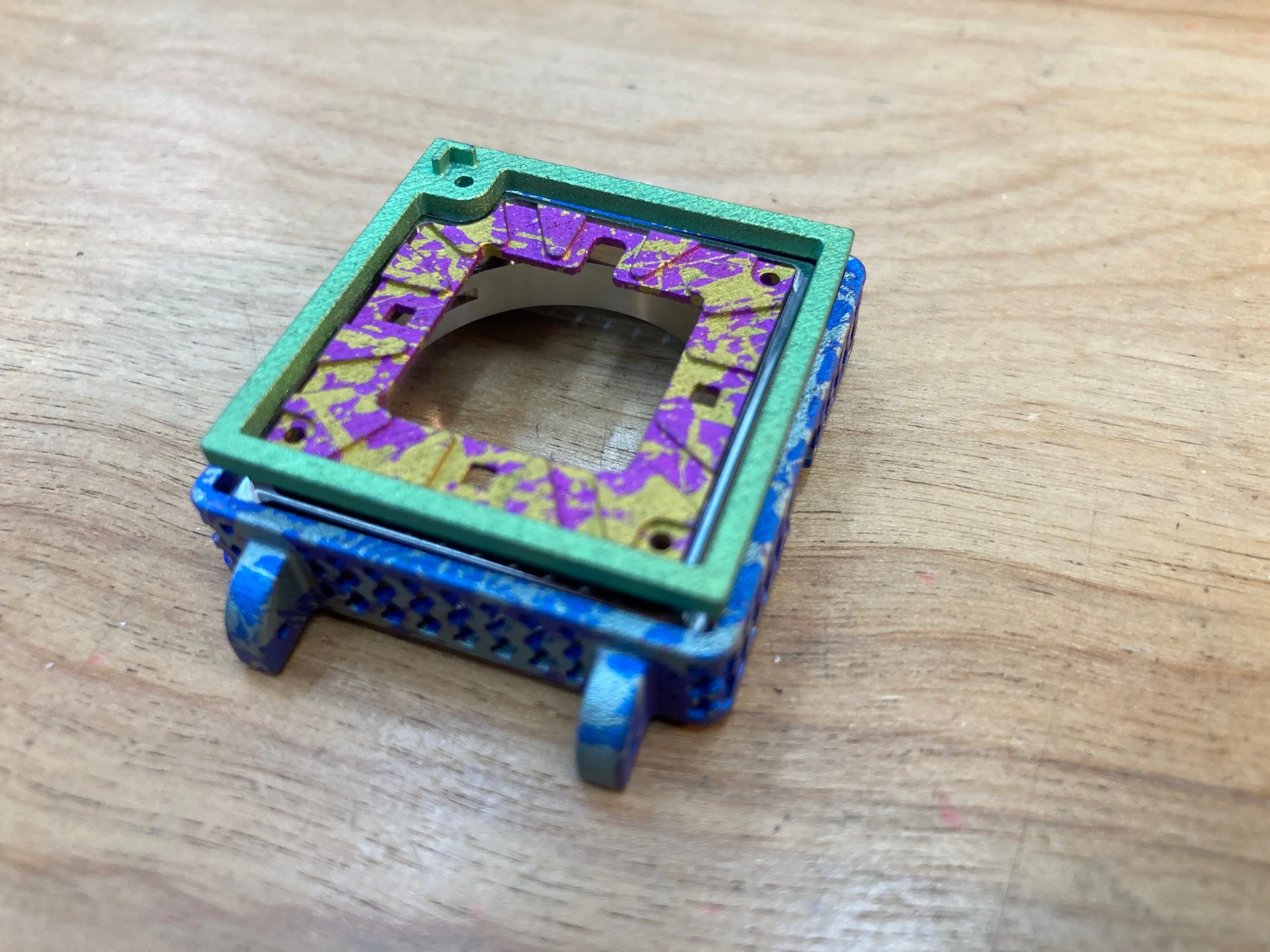
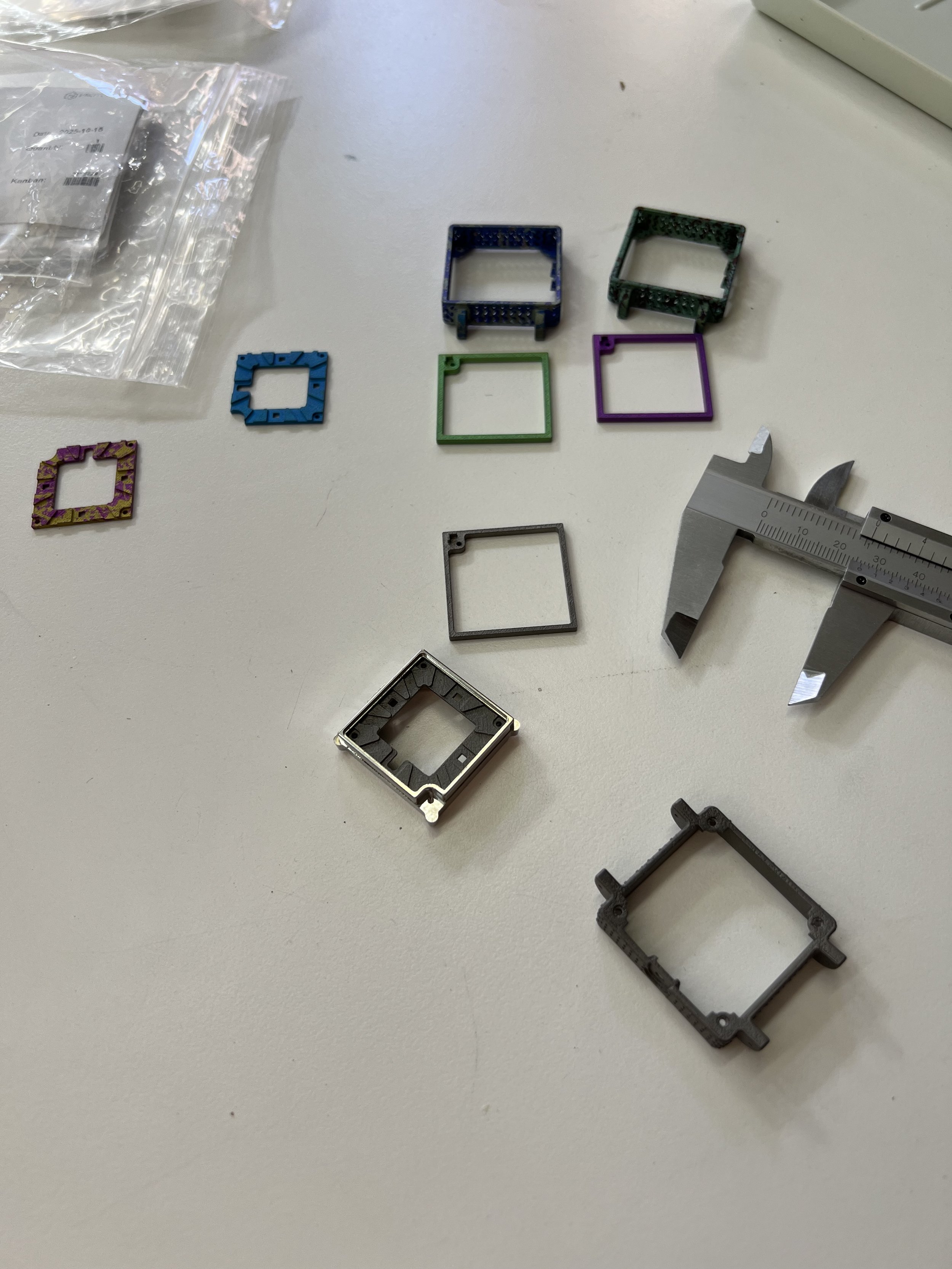
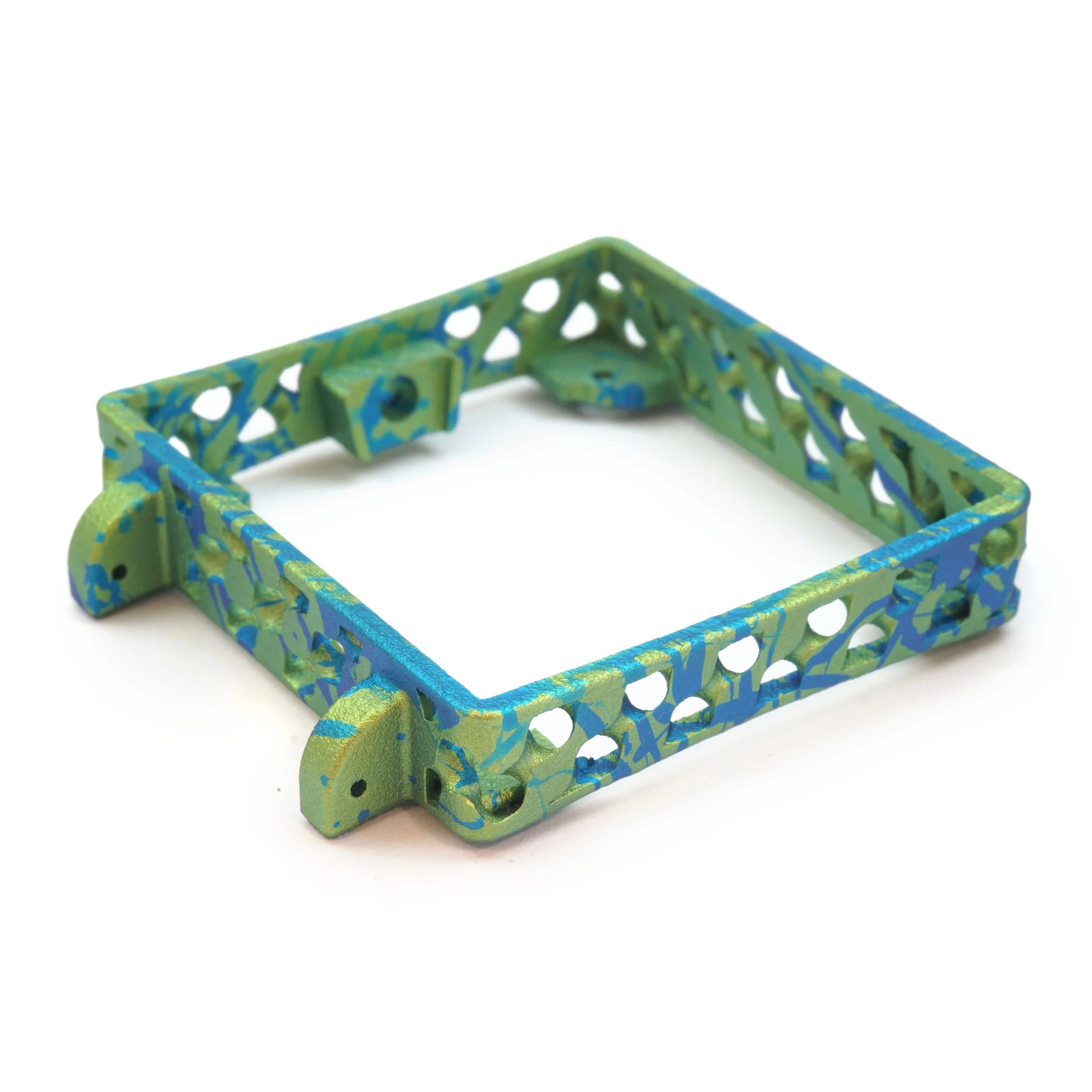
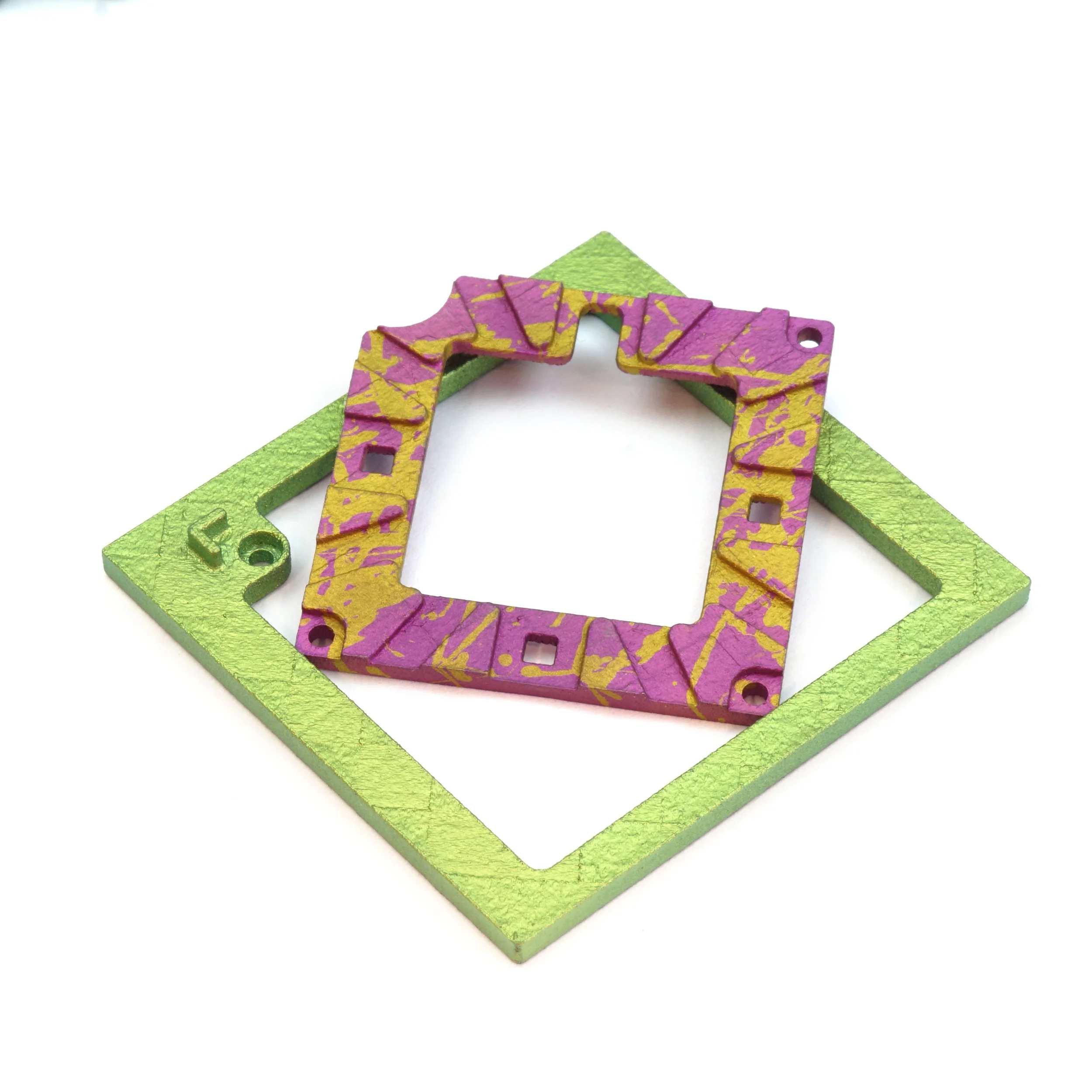
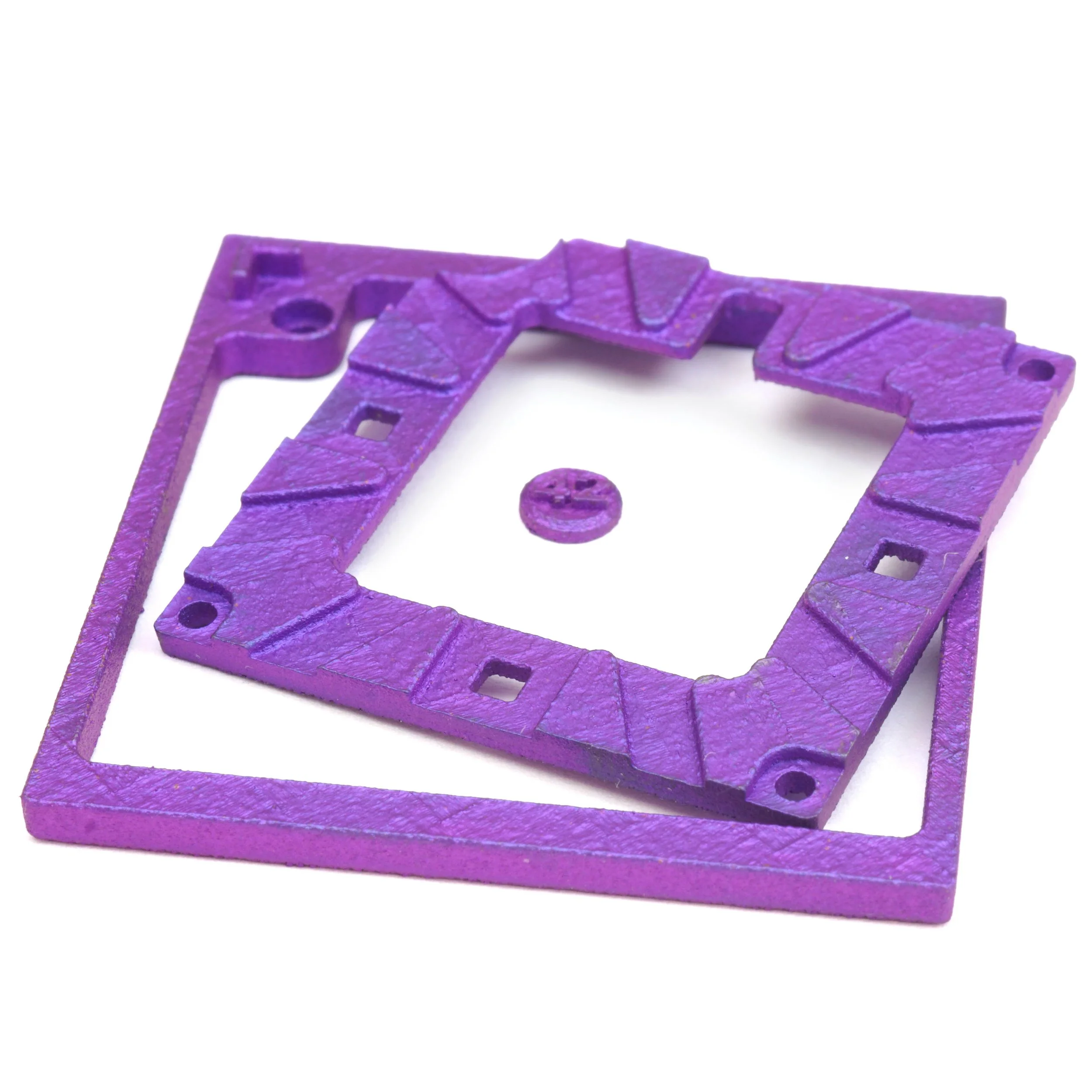
Parts can be anodized to order - a partner was found who can produce 'splatter' effects
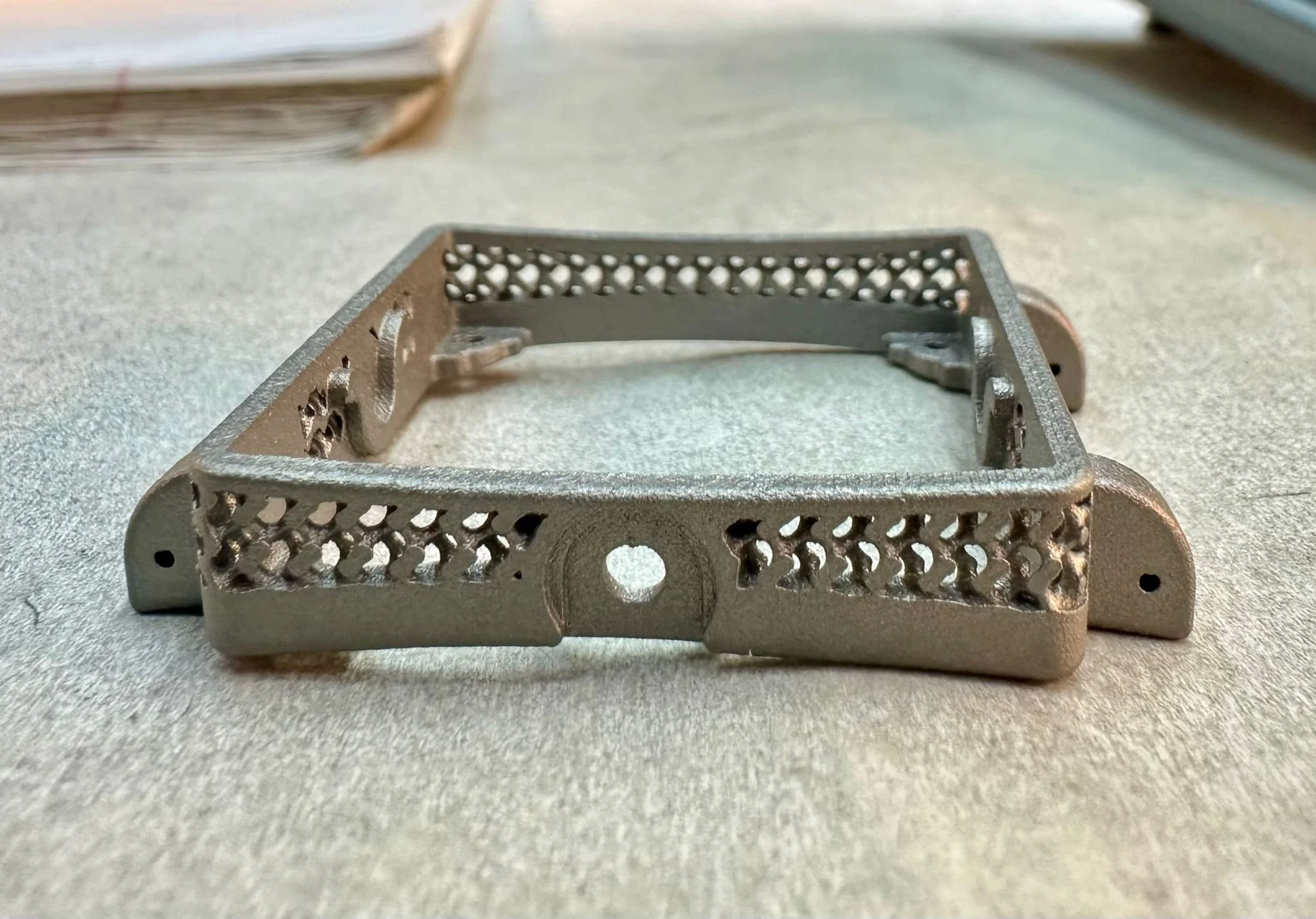
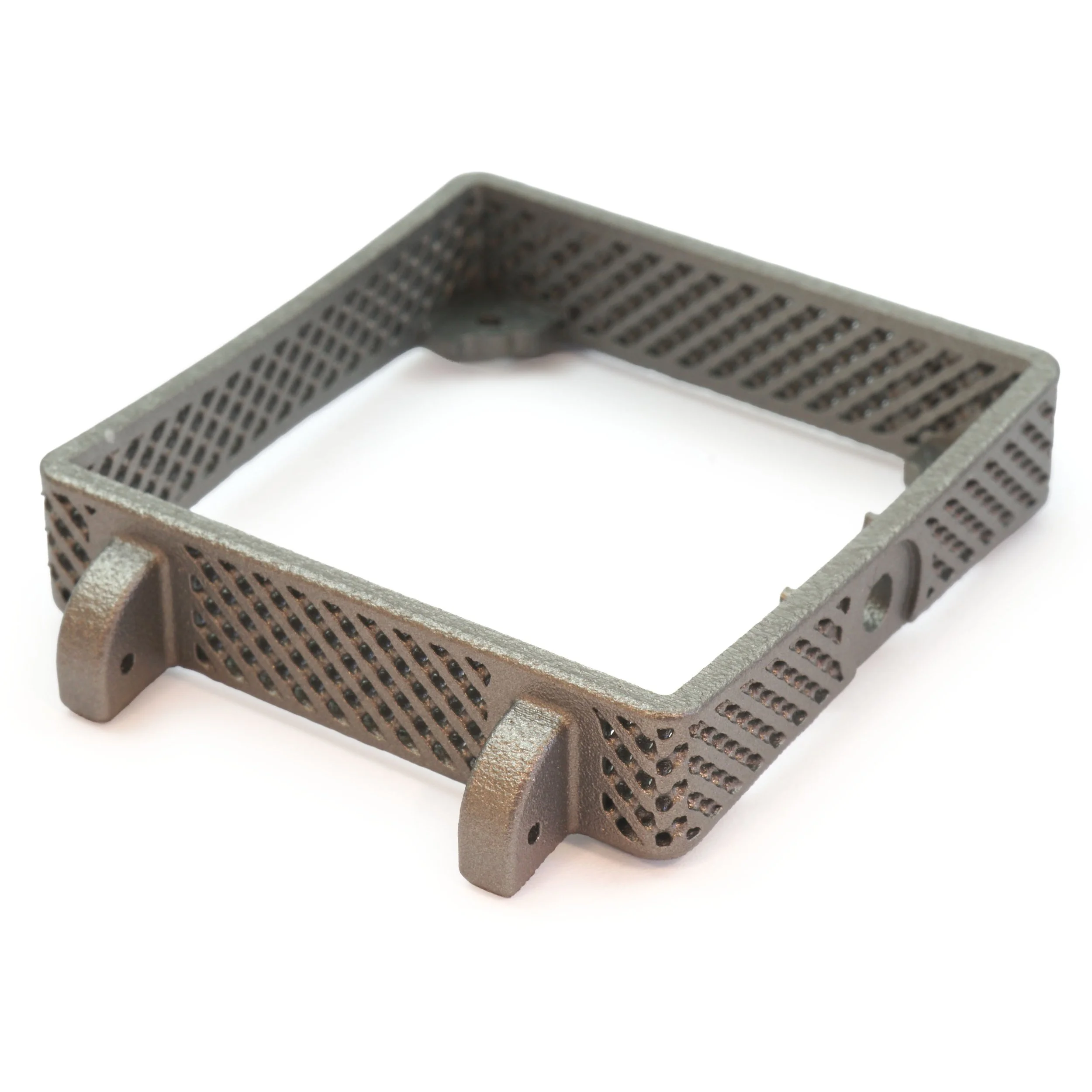
A side detailing exploration - voids highlight the separation between core and case
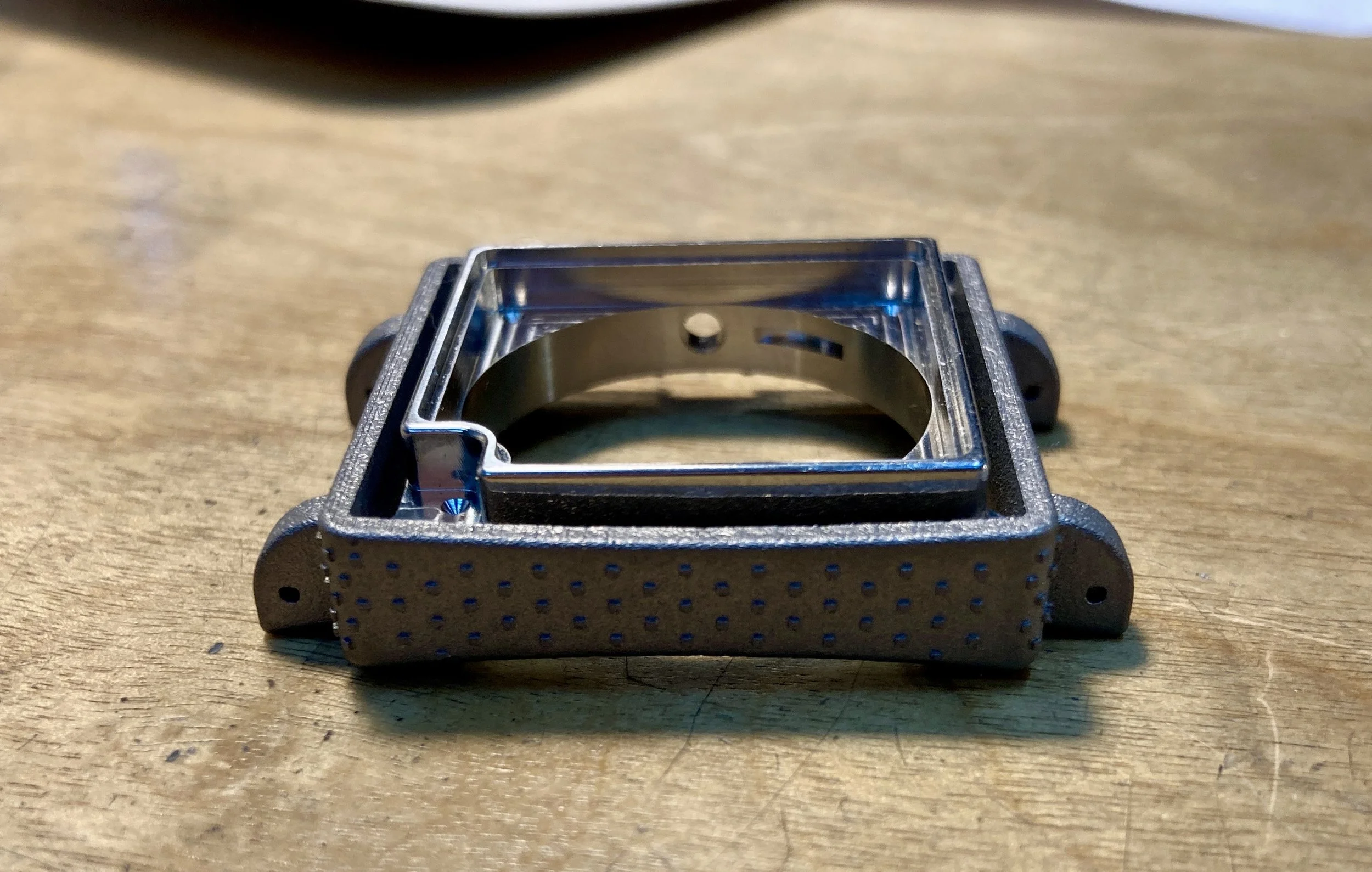
Alternate side detailing focused on texture - radically changing the feel of the piece
Outcome
Studio Plural’s first watch has been delivered and initial feedback has been positive, with a focus on the unique design and opportunities for self-expression.