2022 · LEAD DESIGNER
Wee Stand
The ultraportable music stand
Quick Facts
Successfully funded on Kickstarter ($260k+)
End-to-end development from brief through manufacture and delivery
Defined aesthetic direction and design language
Sourced and managed international manufacturing and assembly partners
Performed design for manufacture analyses and prepared patent drawings

Opportunity
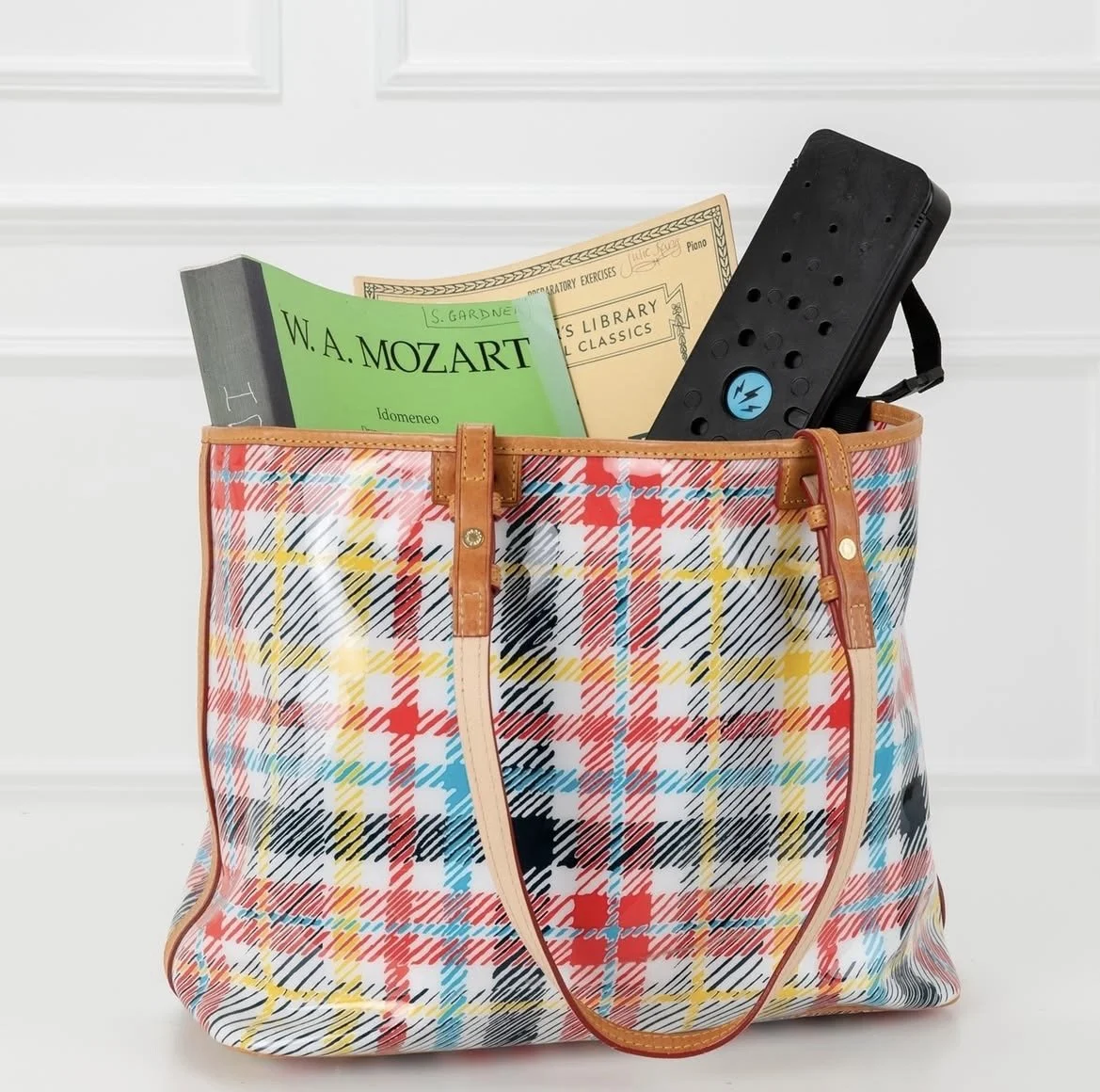
Traveling musicians know the problem intimately - backpacks, instrument cases, and somewhere at the bottom of it all, a music stand that doesn't fit anything and scratches everything else.
Existing stands made a simple compromise: pack small or work well, but not both. Wee Stand was designed to reject that tradeoff entirely - the most portable stand on the market, without sacrificing the functionality a serious musician actually needs.
Brief
Smallest Closed Size
Tabletop to Standing
Versatile Media Support
Smallest Closed Size
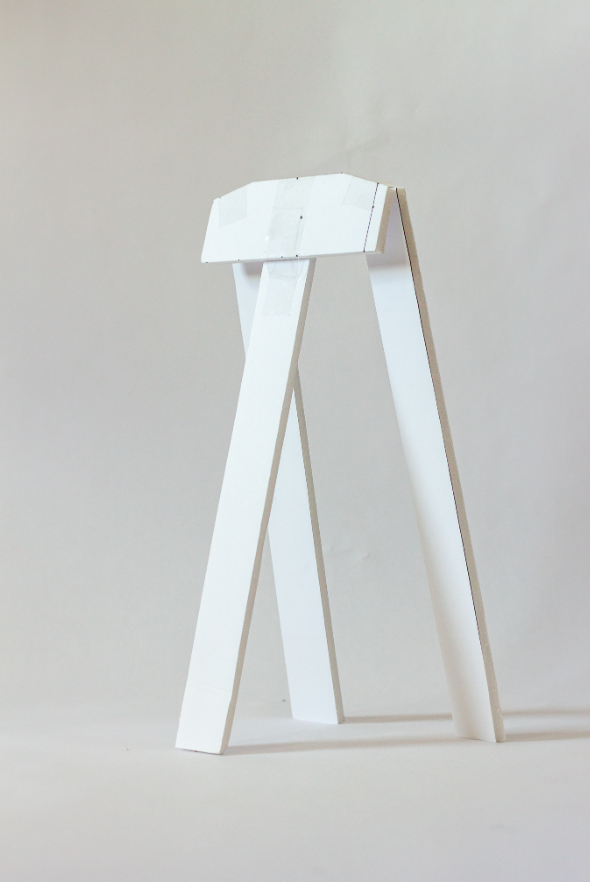
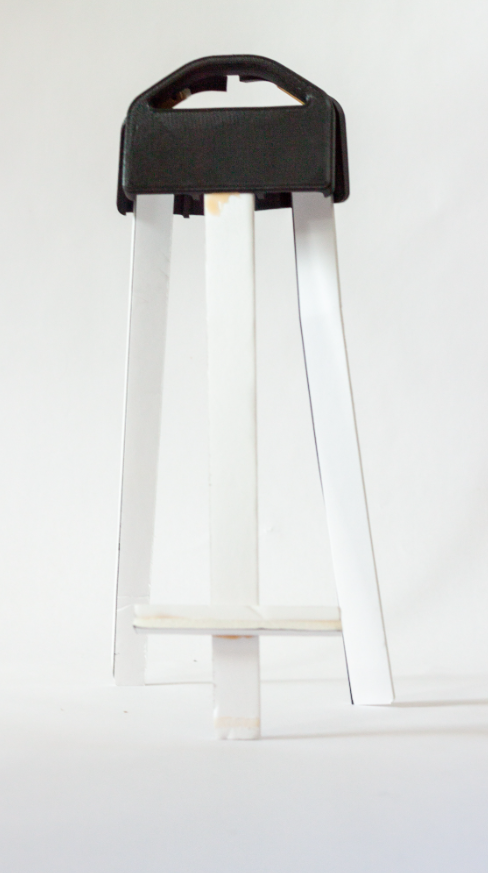
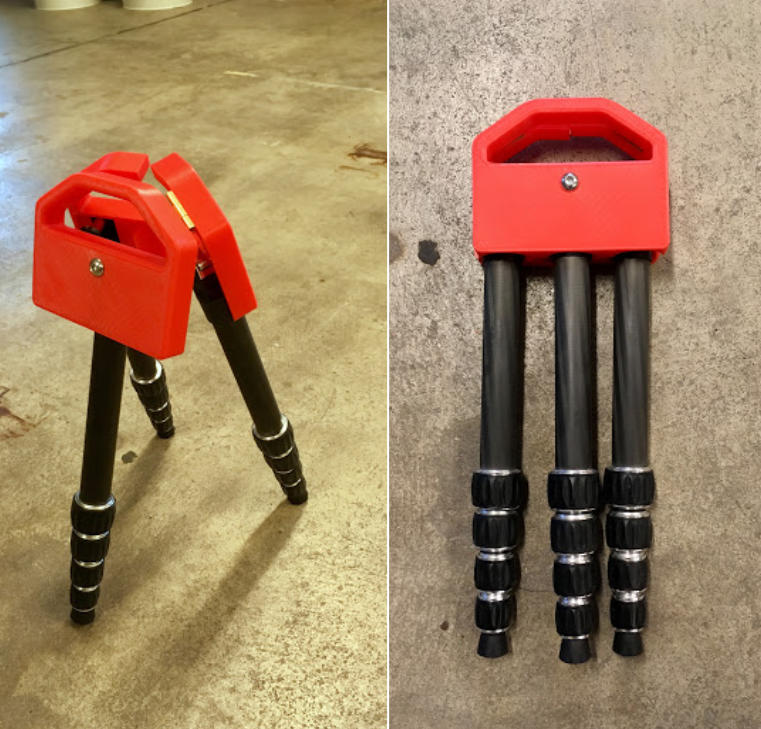
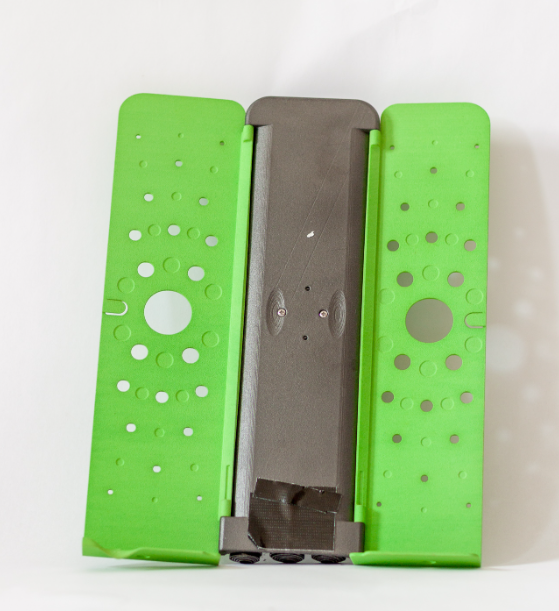
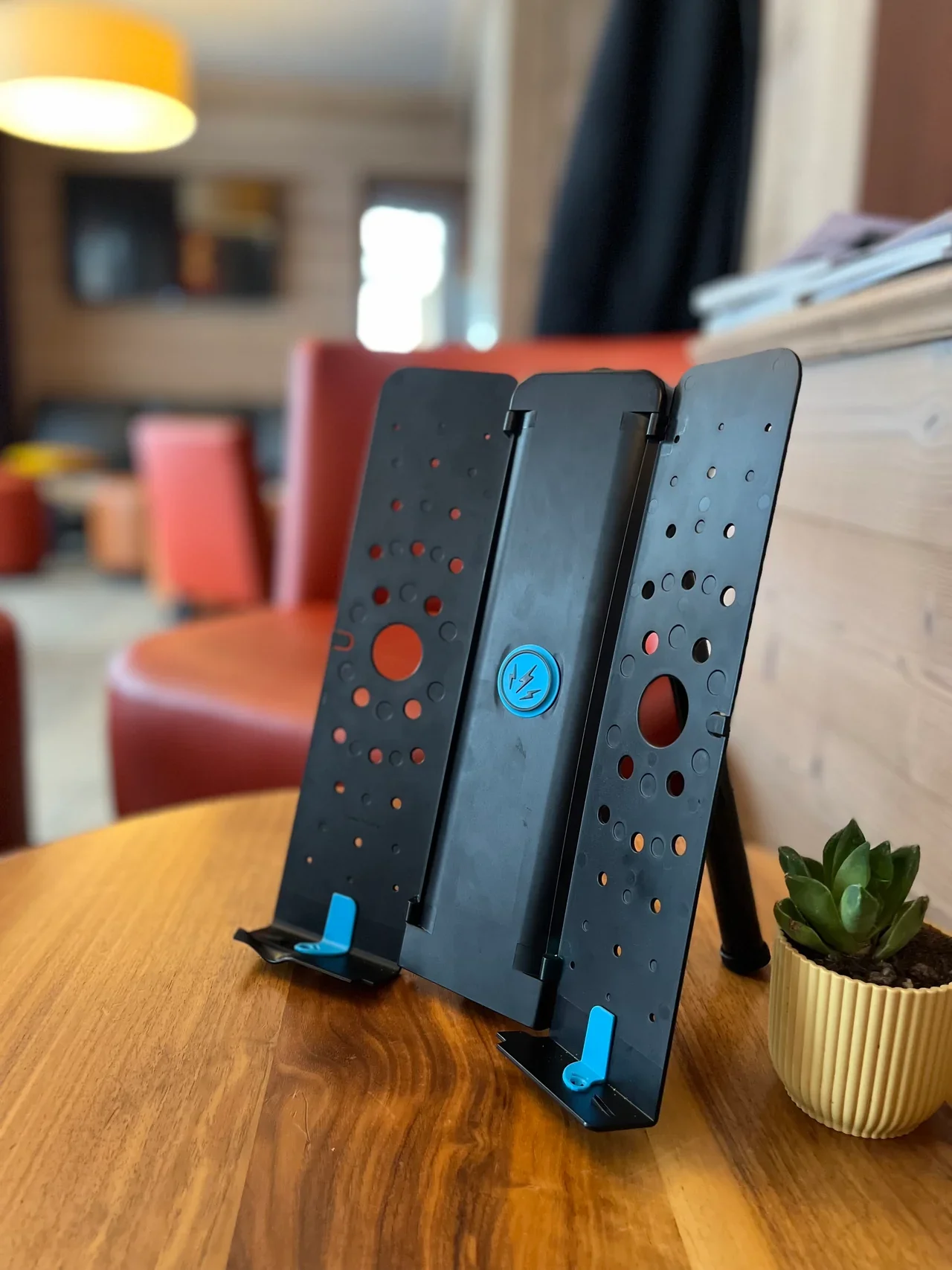
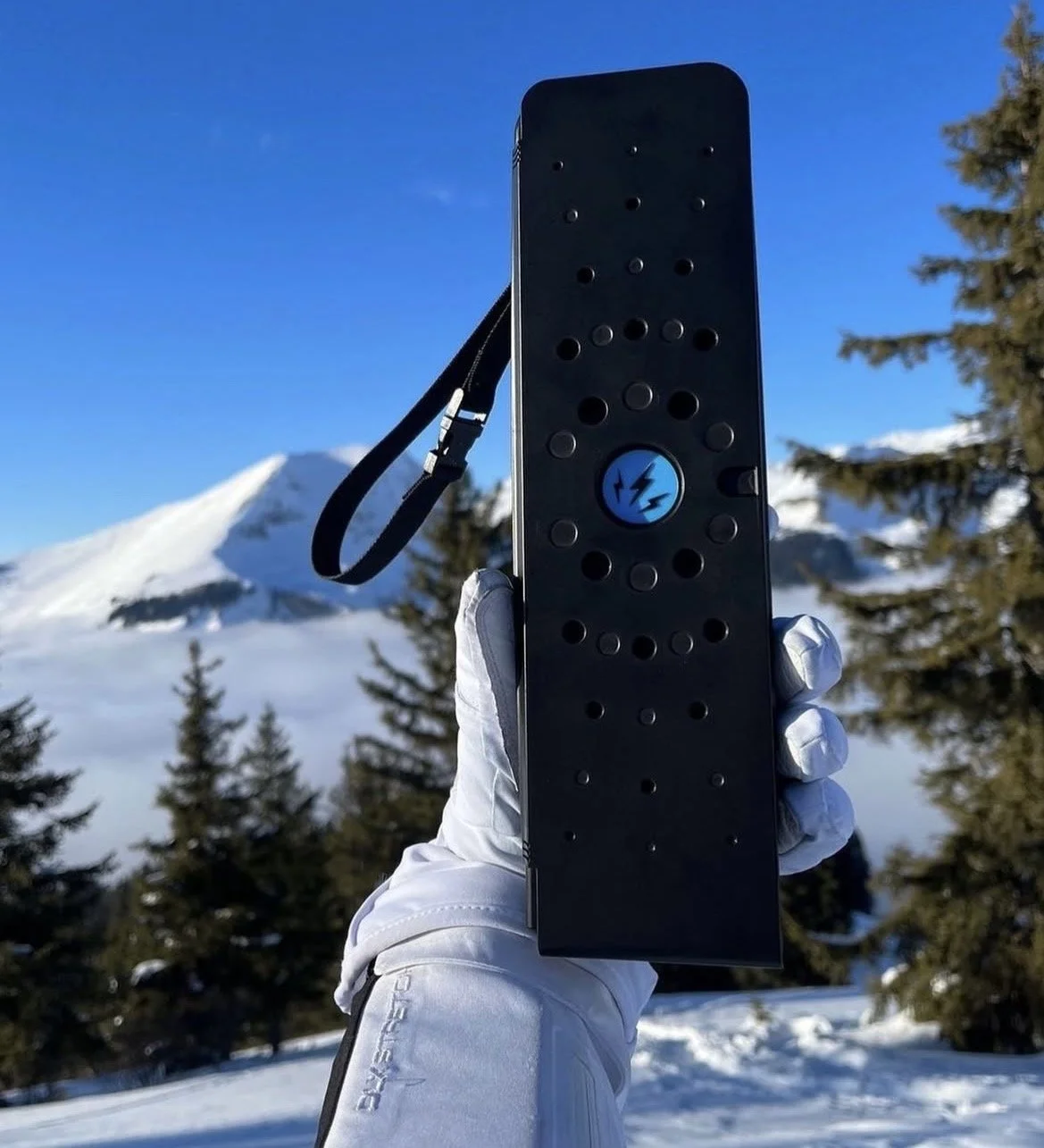
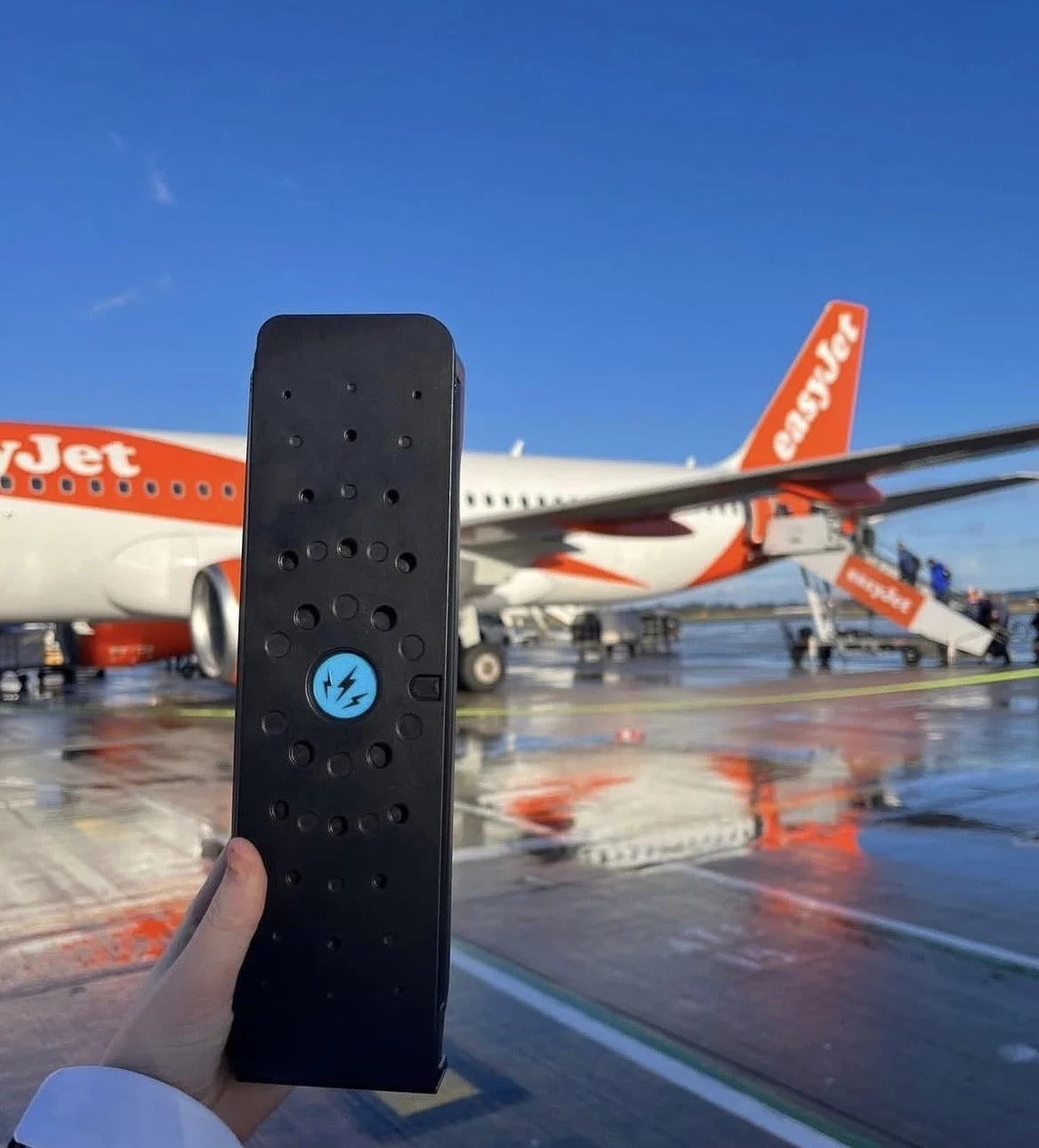
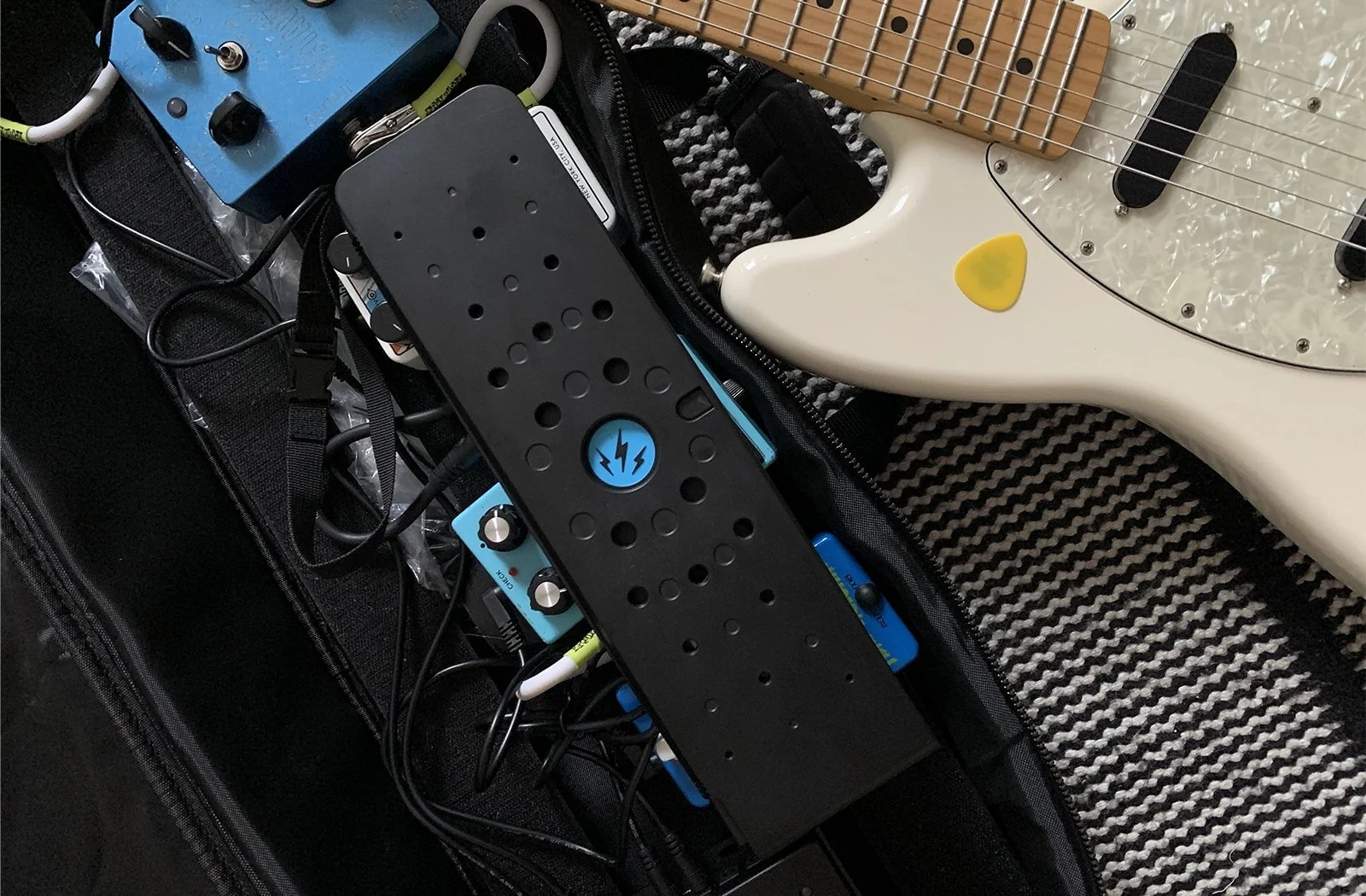
Most stands fold their legs outward or at angles, adding width and leaving protruding elements that catch on bags and scratch other gear. I focused on a parallel fold - legs closing flush against the body - as the key to a pocketable form factor.
The result is a clean rectangle with no protrusions. Something a musician can throw in a bag without thinking about it. The plastic outer body also protects instruments from getting scratched by hard metal.
The challenge was maintaining full functionality within that constraint. The leg hinging and body angle adjustment both had to live in the same compact assembly, manufacturable at scale without unreasonably tight tolerances or time-intensive assembly processes.
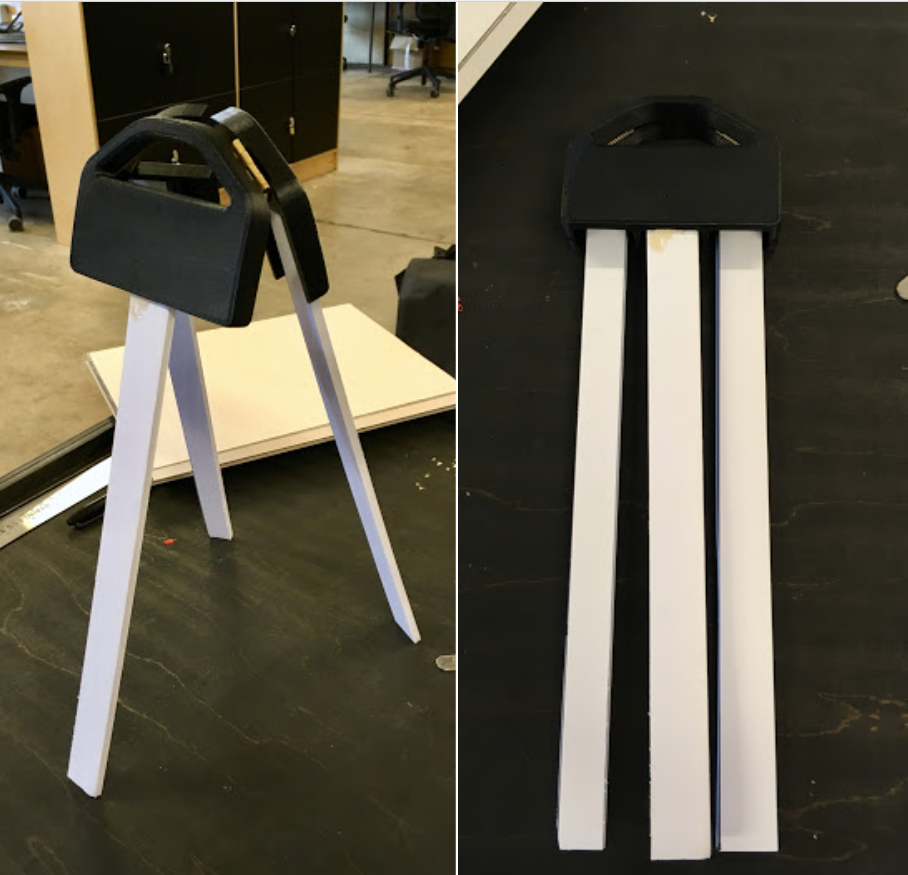
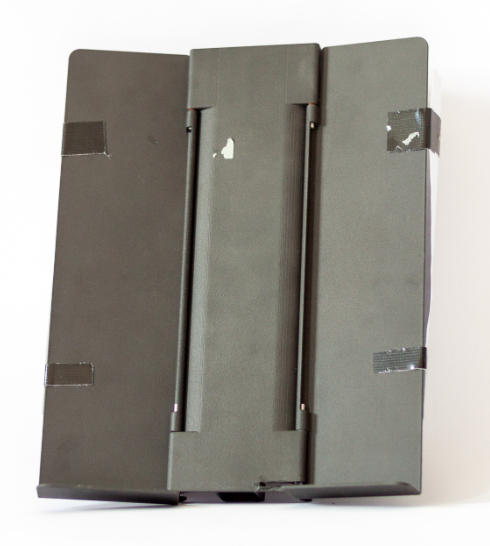
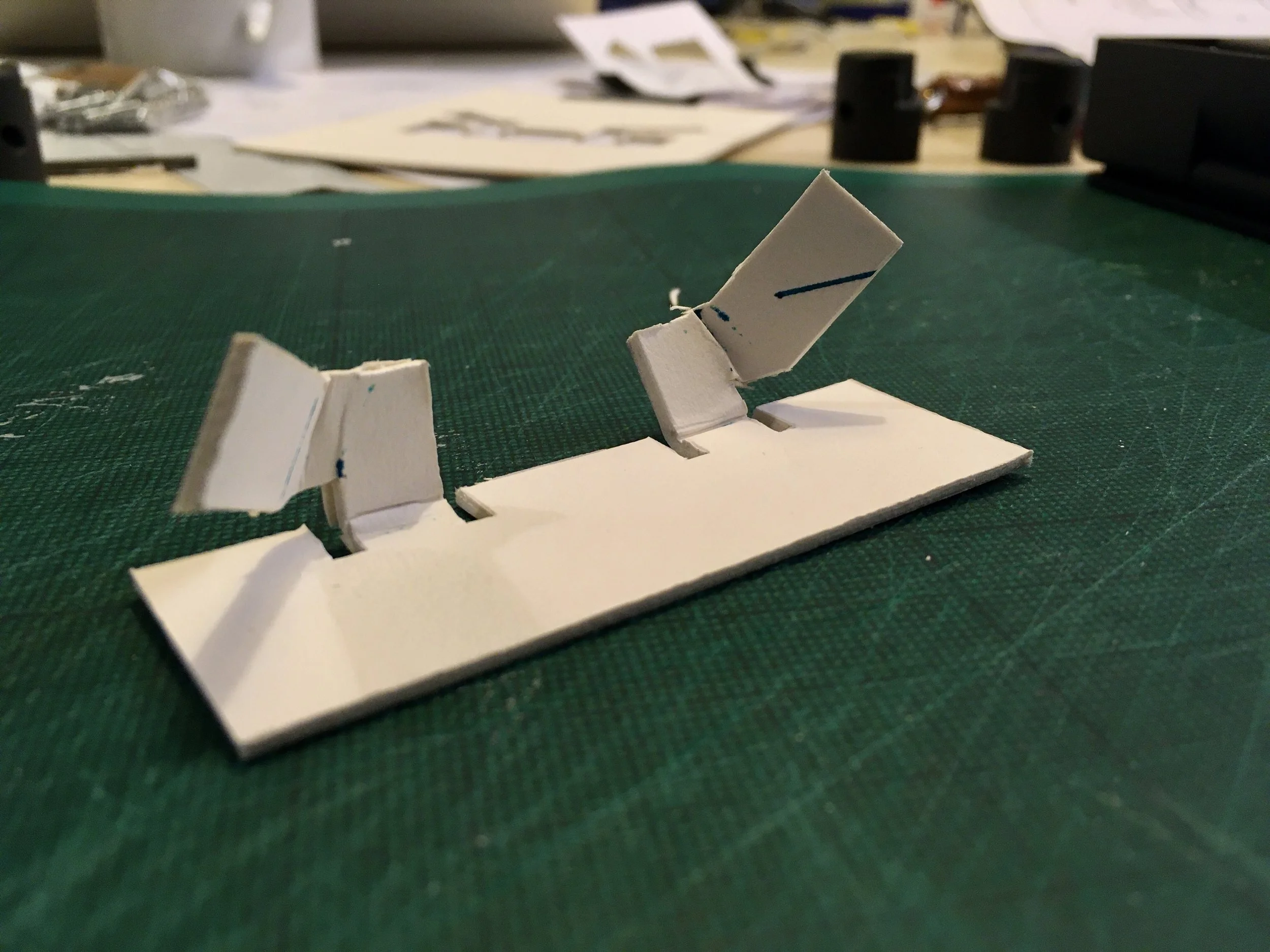
Early explorations establishing the parallel fold - foam legs, full-size geometry
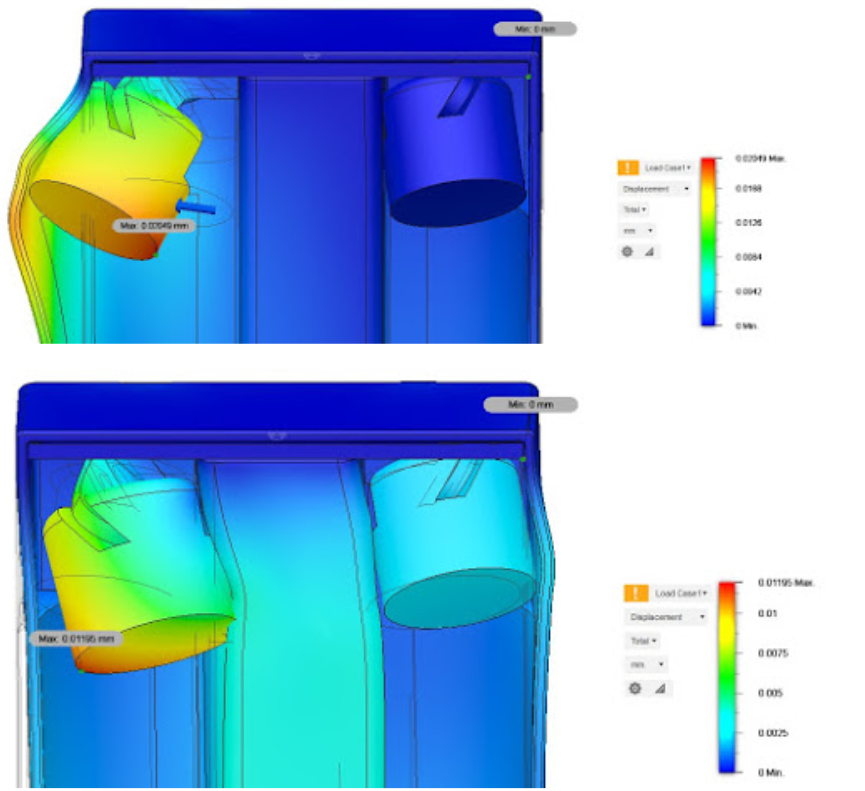
FEA validation of hinge geometry under load
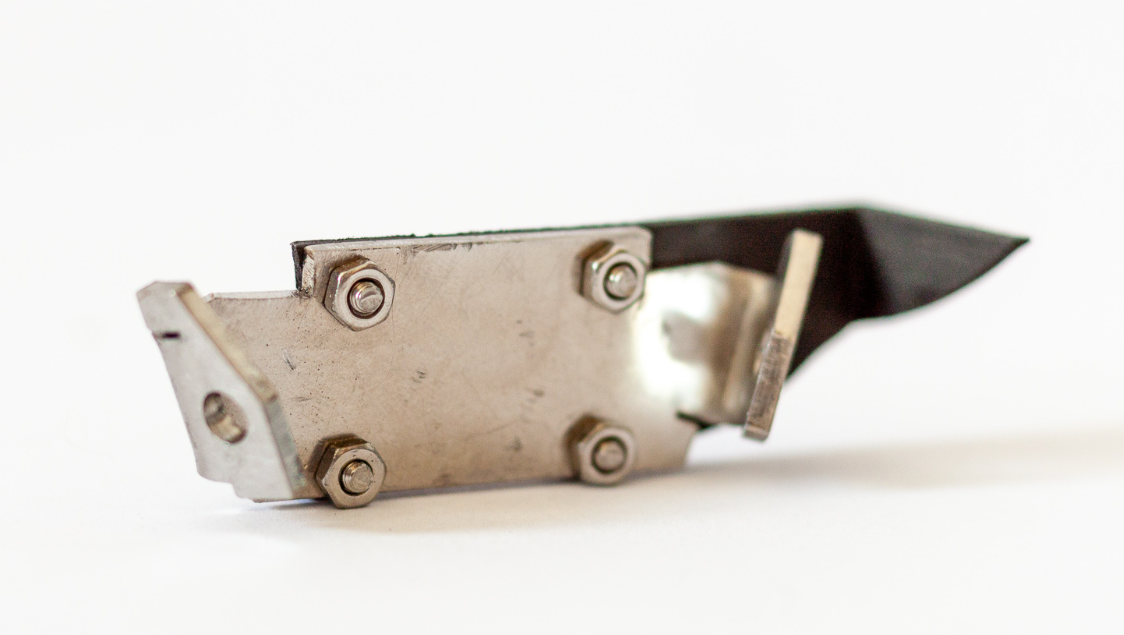
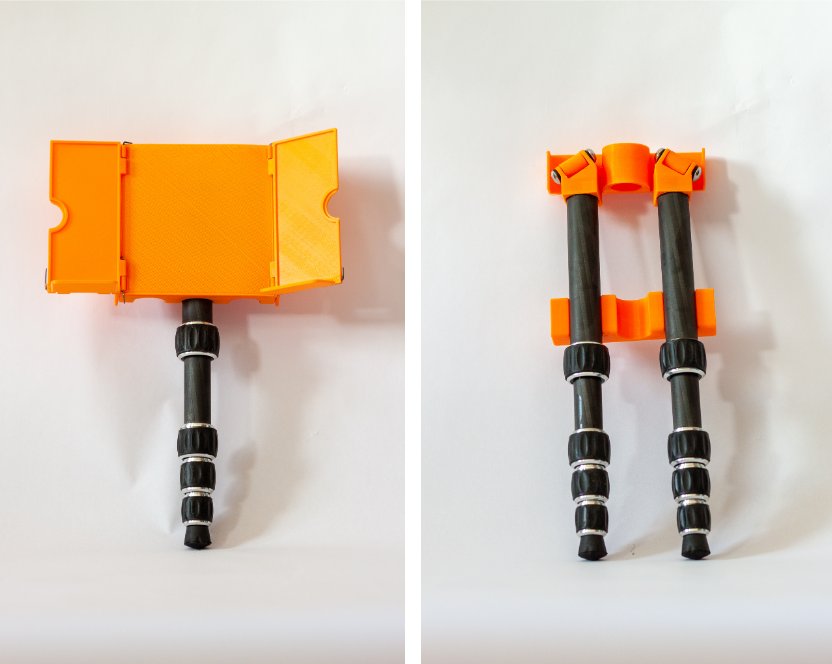
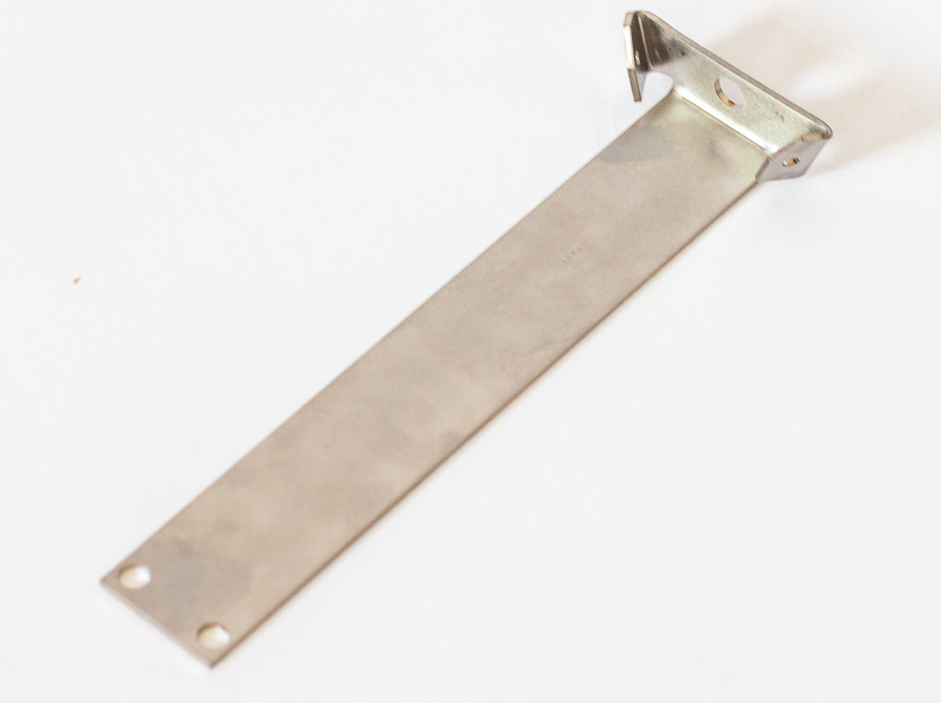
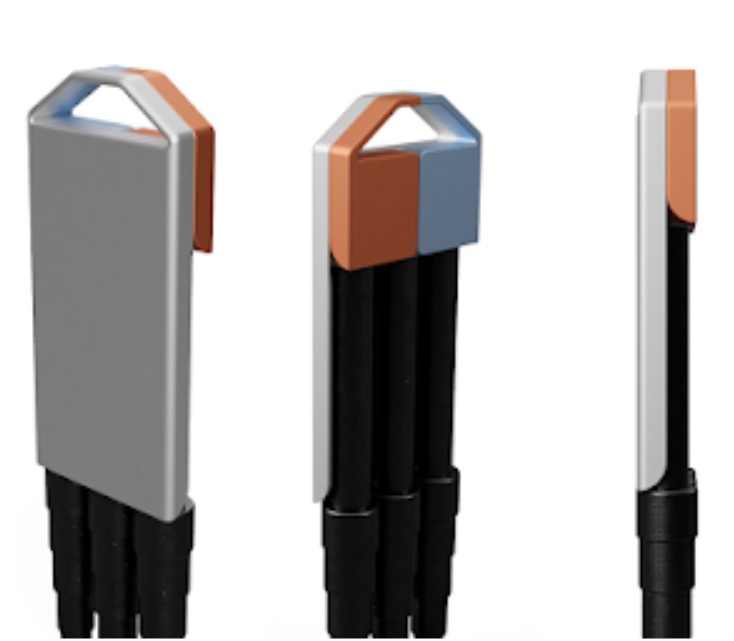
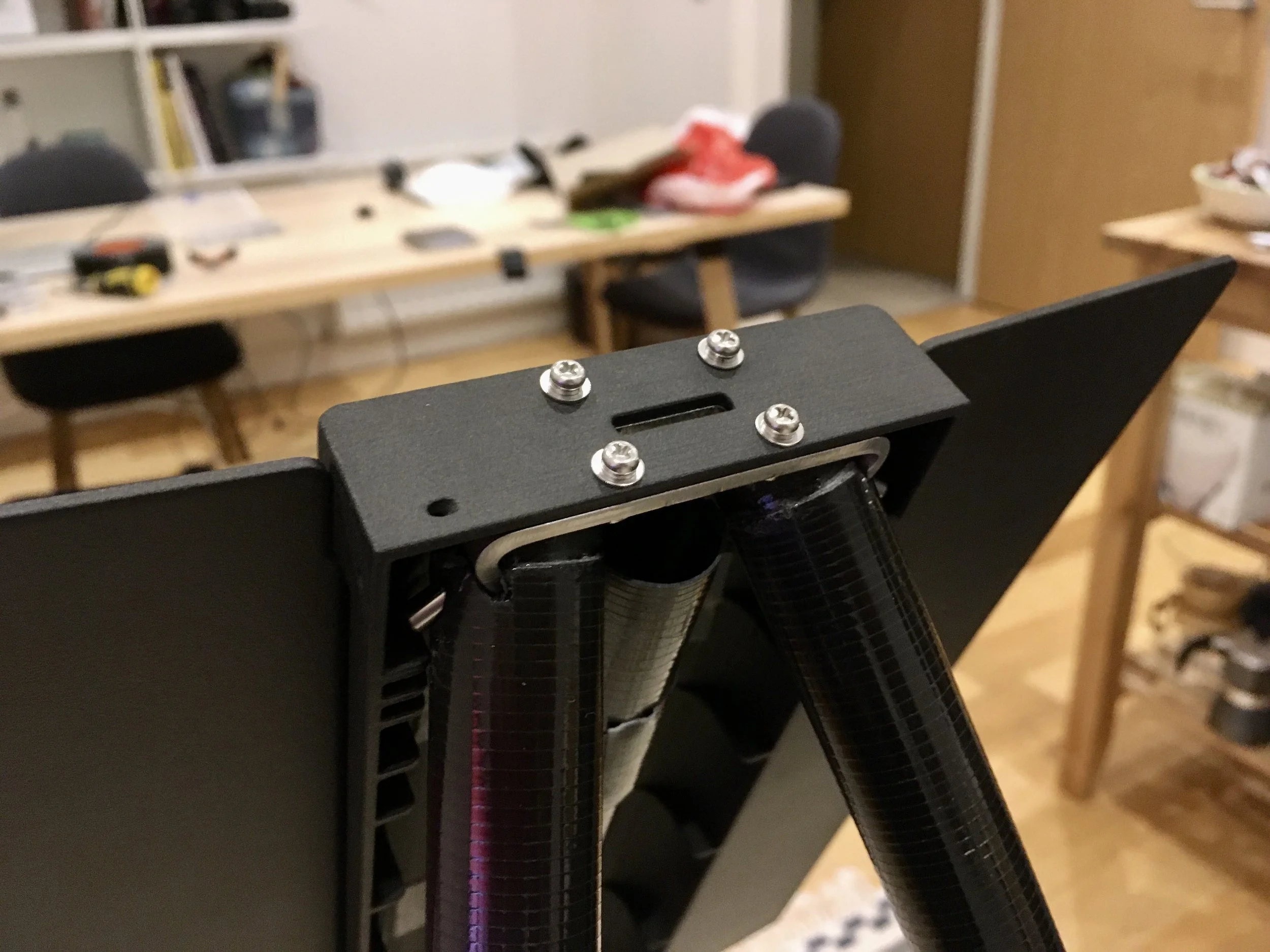
Single bent metal hinge enabling parallel fold without added volume
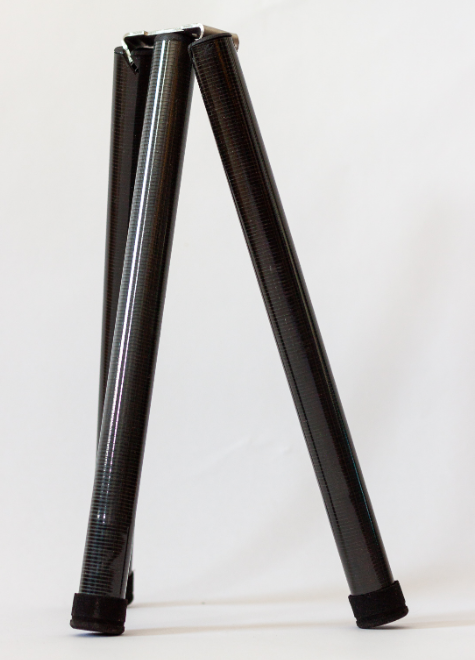
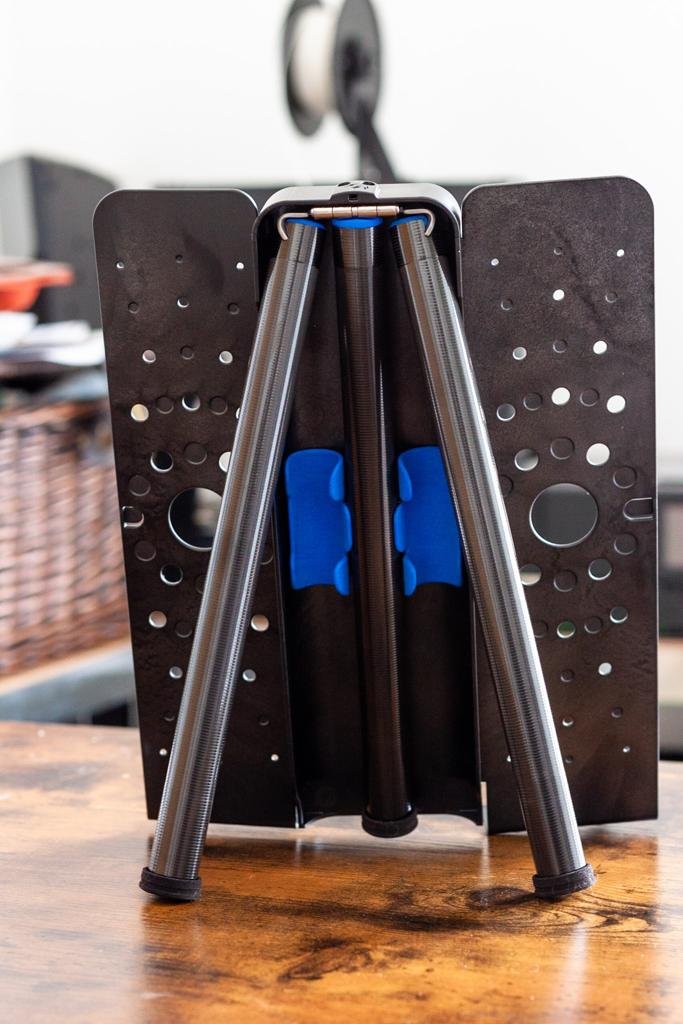
Final carbon fiber leg assembly in open position
Tabletop to Standing
The range from tabletop to full standing height required legs that could extend from 11 to 49 inches while remaining lightweight, rigid, and fast to set up. I looked to Tenkara fishing rods as a reference - their friction-locking telescoping segments deploy and collapse in seconds, with no moving parts to fail or add weight.
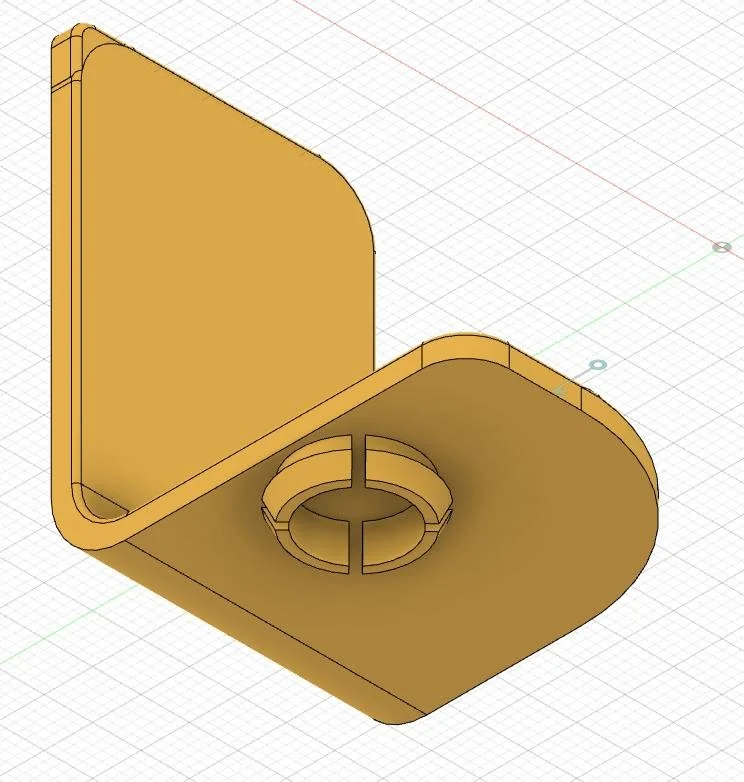
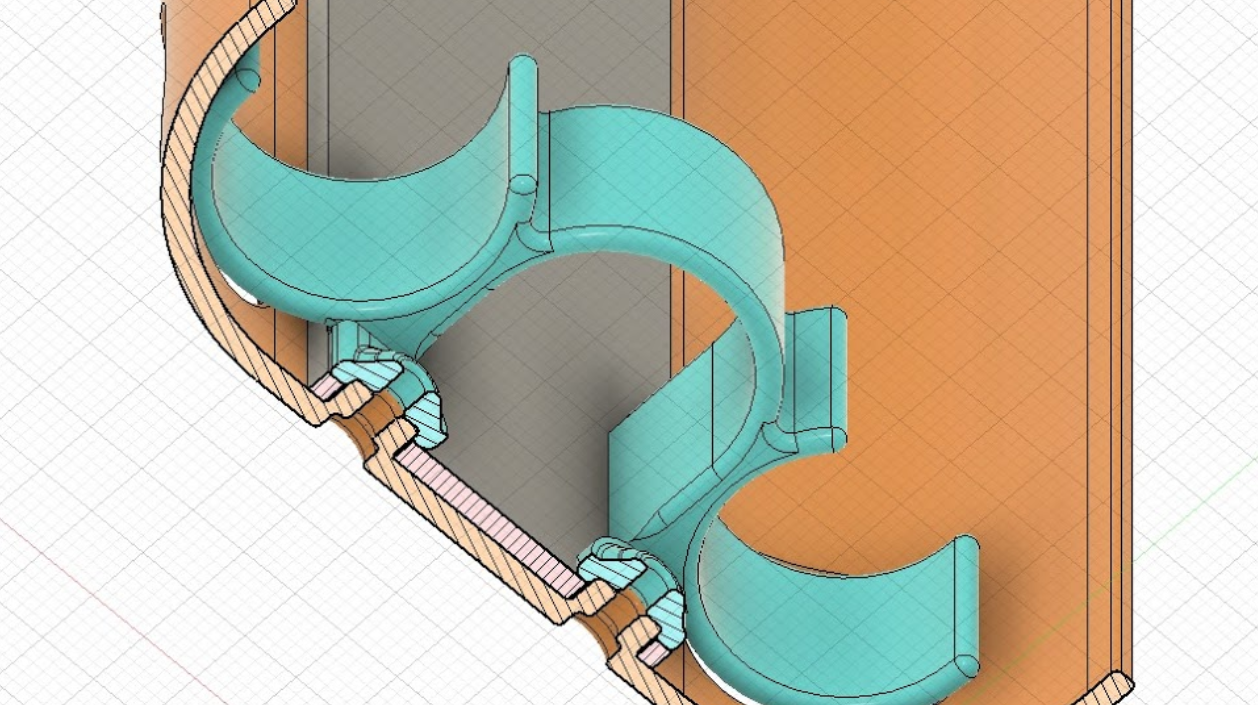
The critical engineering challenge was the connection between the carbon fiber legs and the metal hinge. Each friction-lock engagement puts significant repeated tensile load on that joint - exactly the kind of stress that causes adhesive-only connections to fail over time. I developed a two-part plastic collar that combined mechanical retention with adhesive bonding, distributing the load across both rather than relying on either alone.
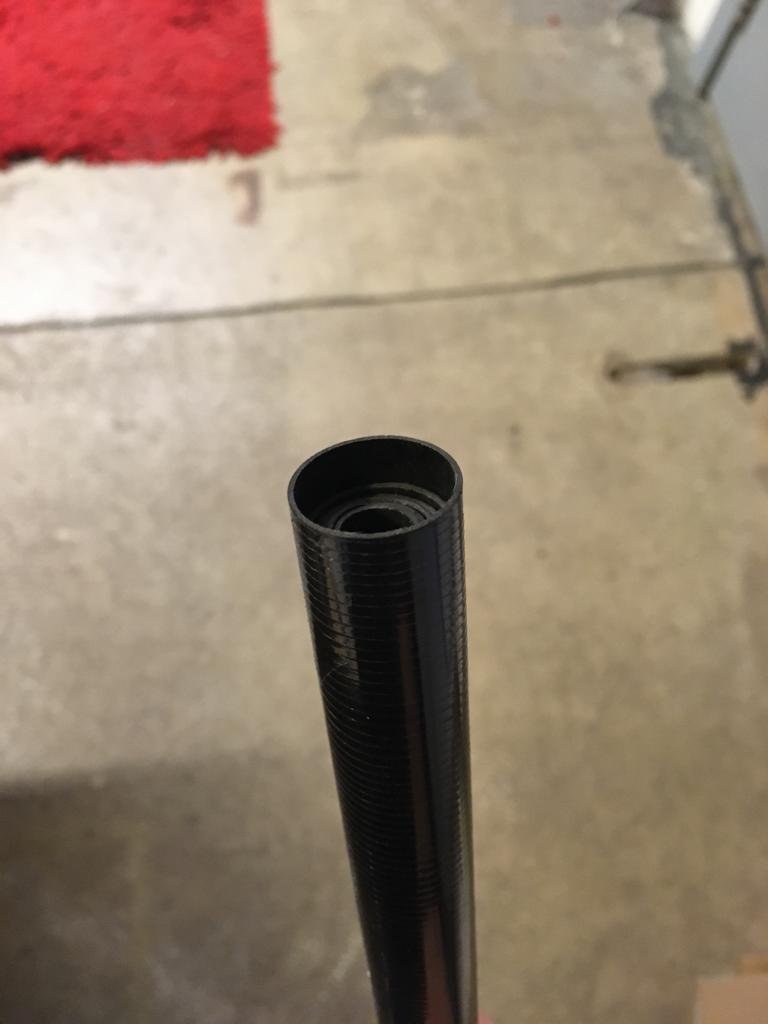
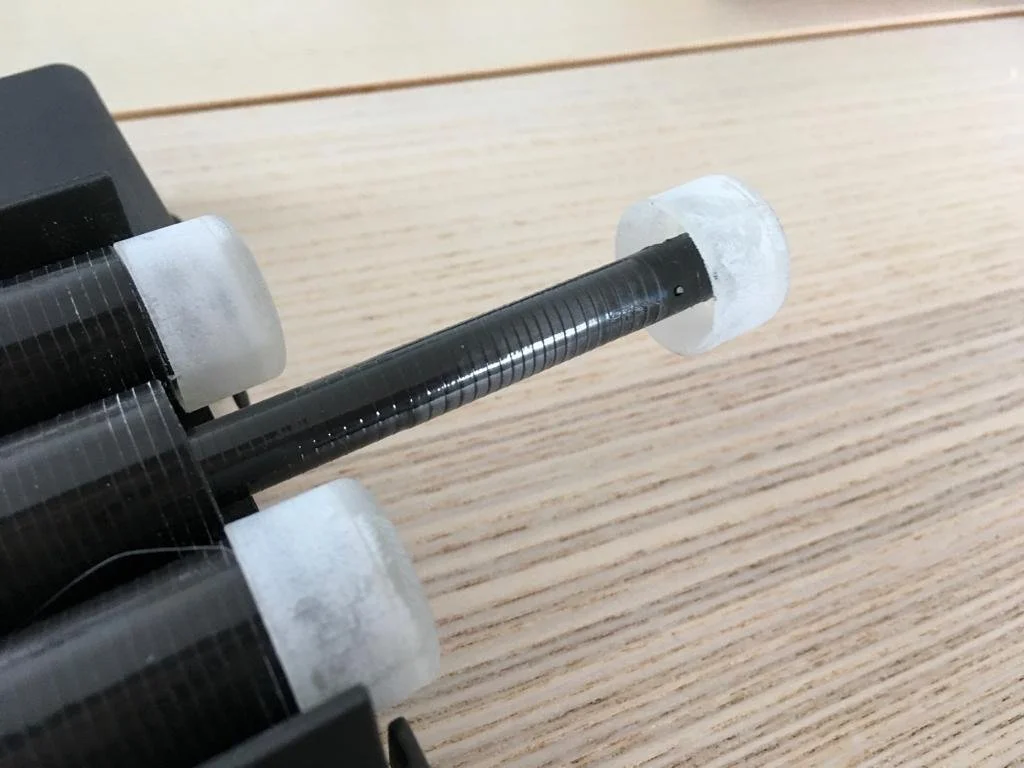
Custom six-segment carbon fiber leg, friction-locked by pulling
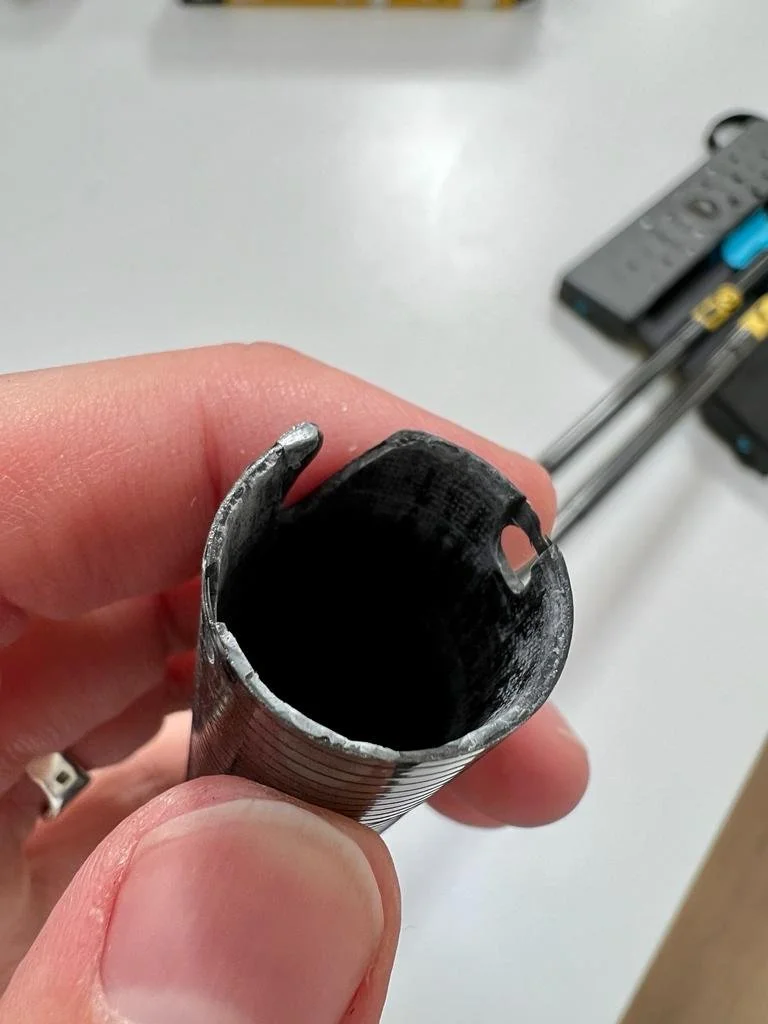
Carbon fiber to metal hinge junction - the critical stress point
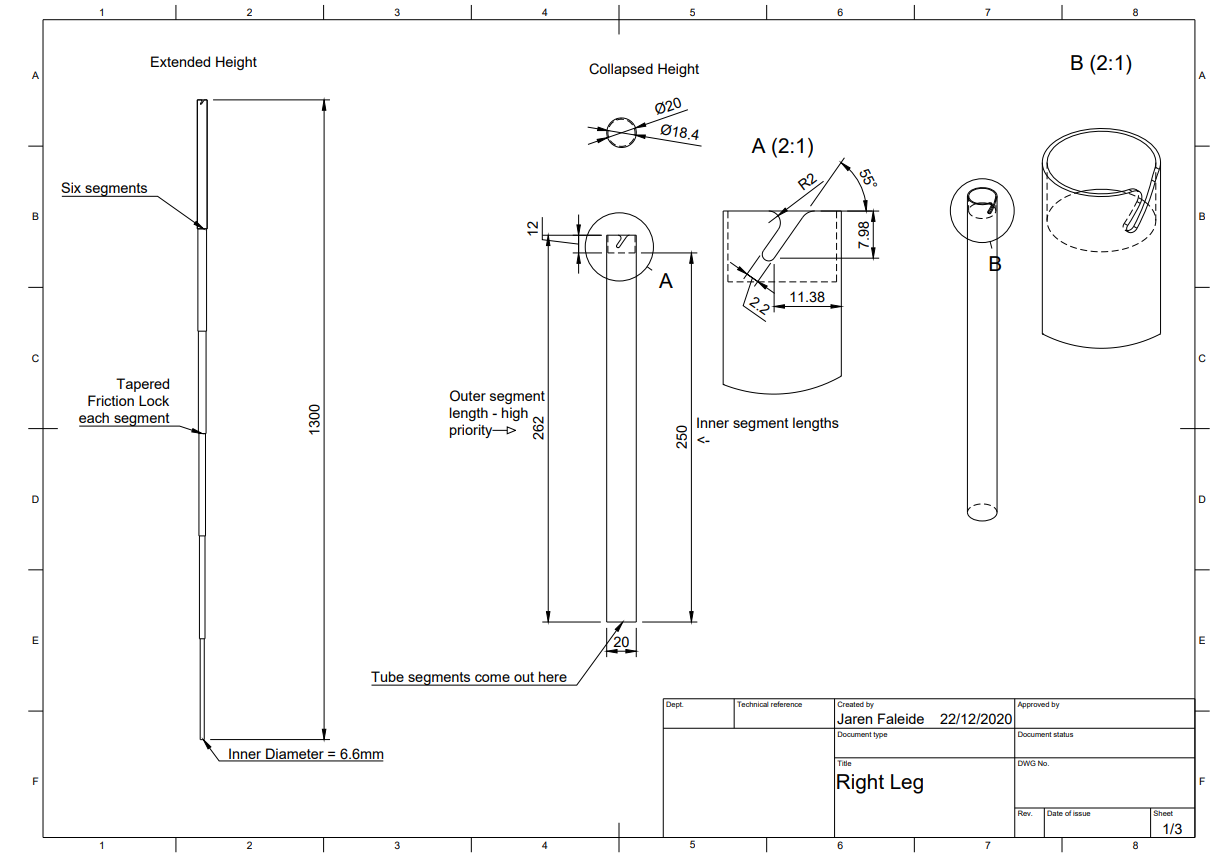
Engineering drawing detailing leg segment lengths, diameters, and collar junction
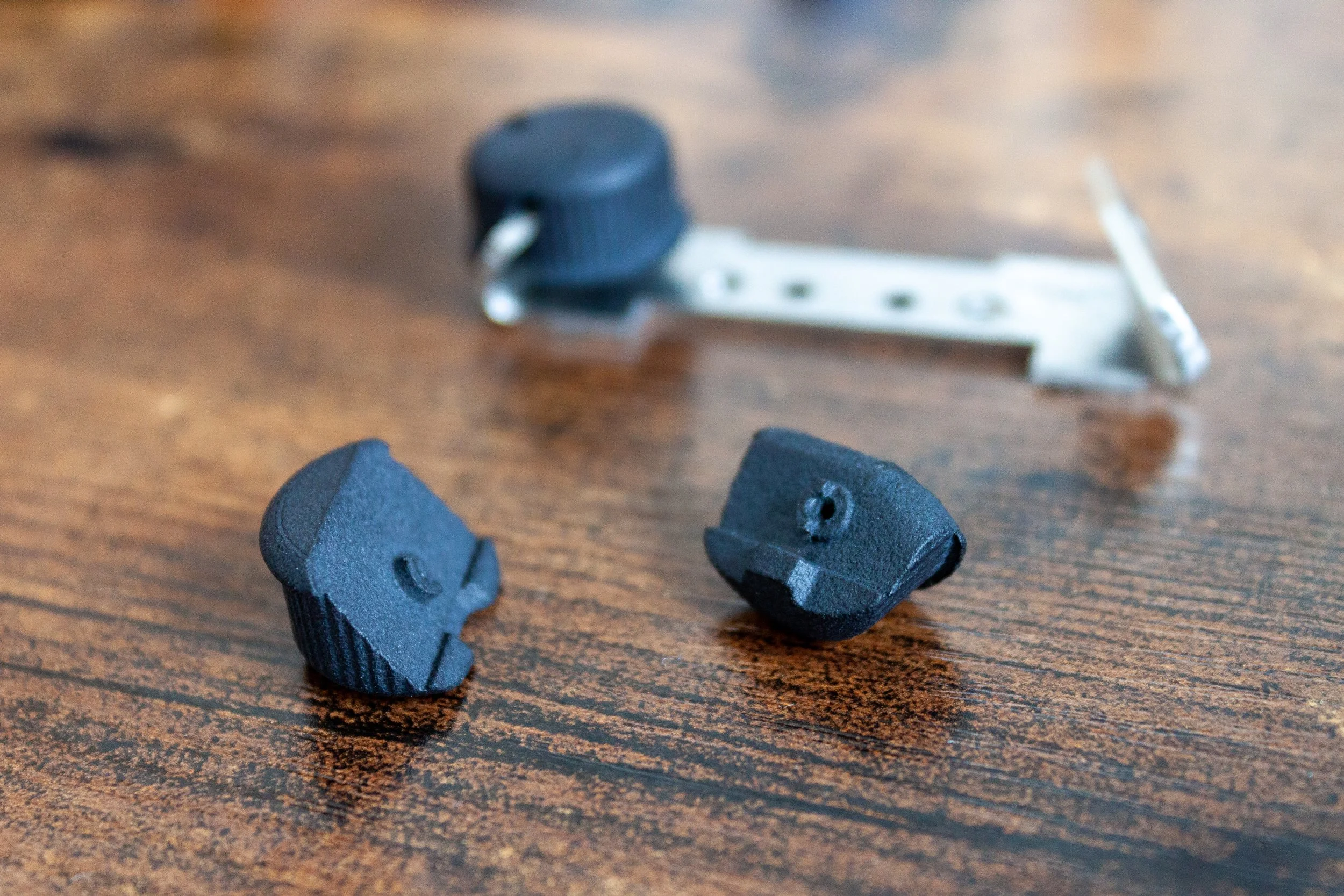
Two-part plastic collar combining mechanical and adhesive retention
Versatile Media Support
The small form factor couldn't come at the cost of functionality - Wee Stand needed to hold everything a musician might bring, from single sheets to tablets to books.
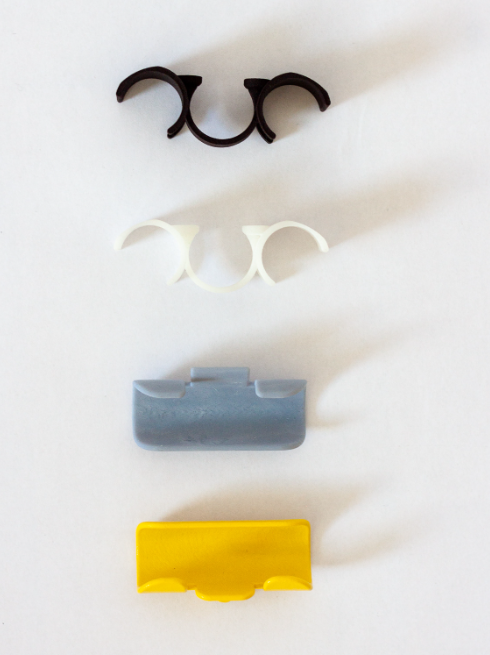
The most challenging element was the swivel clip. It had to fold completely flush with the body to maintain the clean rectangular profile, deploy easily with one hand, and grip a book firmly enough to stop it folding in on itself. Getting all three meant careful attention to the pivot geometry and clip stiffness - small enough features that I had to prototype at 2:1 scale to get reliable results from 3D printing.
The remaining features - built-in page tabs for single sheets and a center badge for side-by-side pages - were designed with the same principle: add functionality without adding bulk.
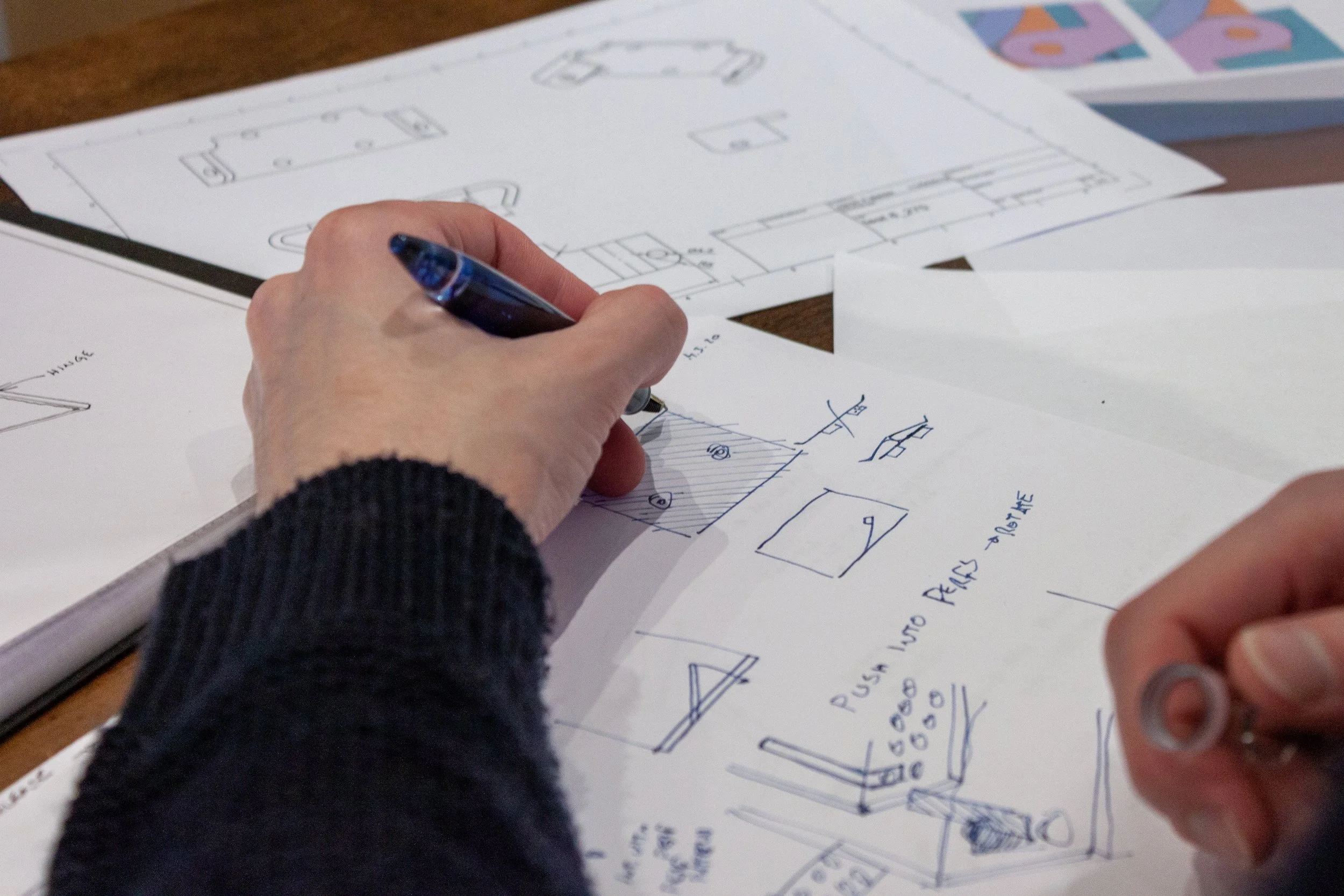
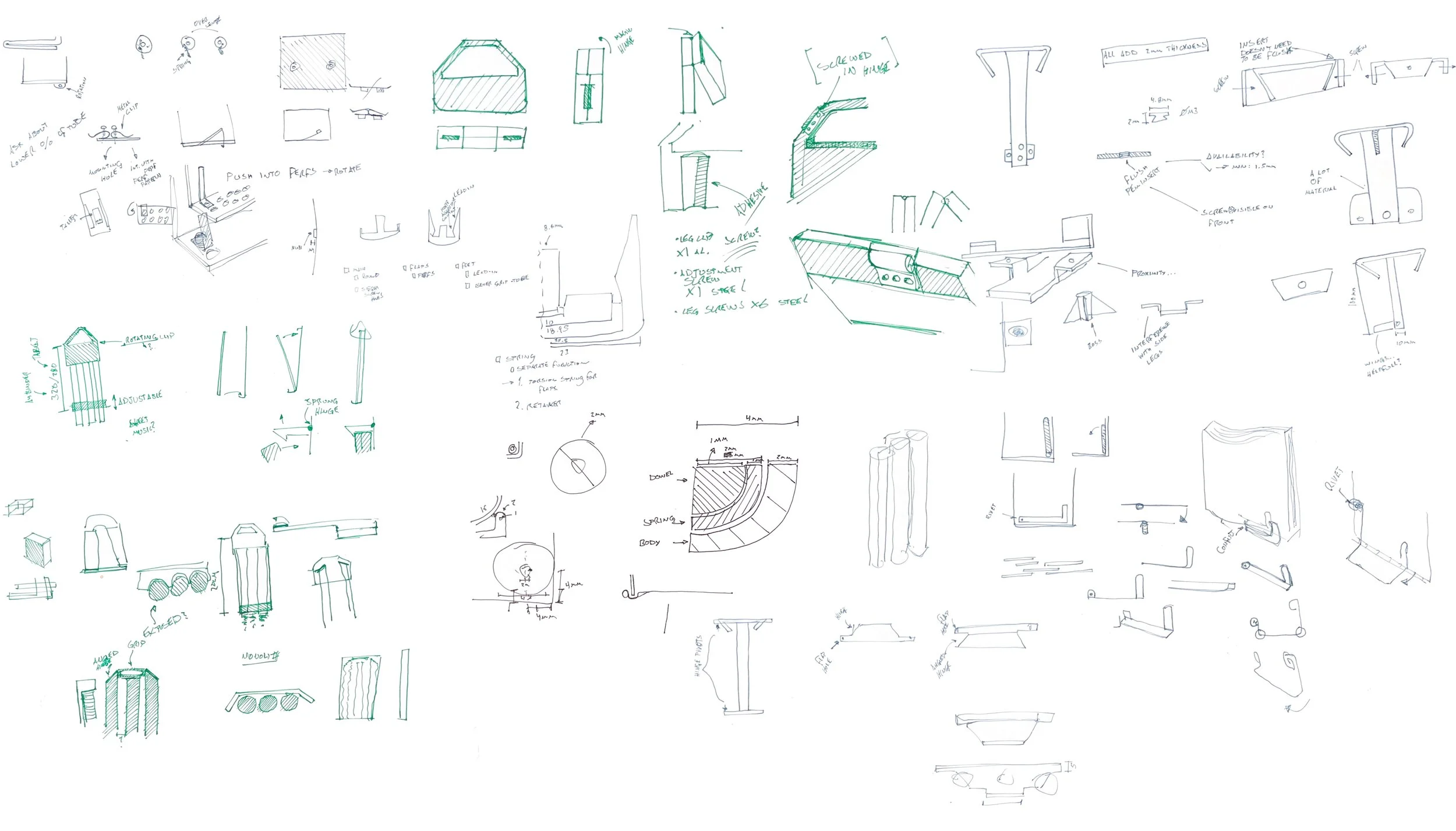
Early sketches exploring swivel clip geometry and stow position
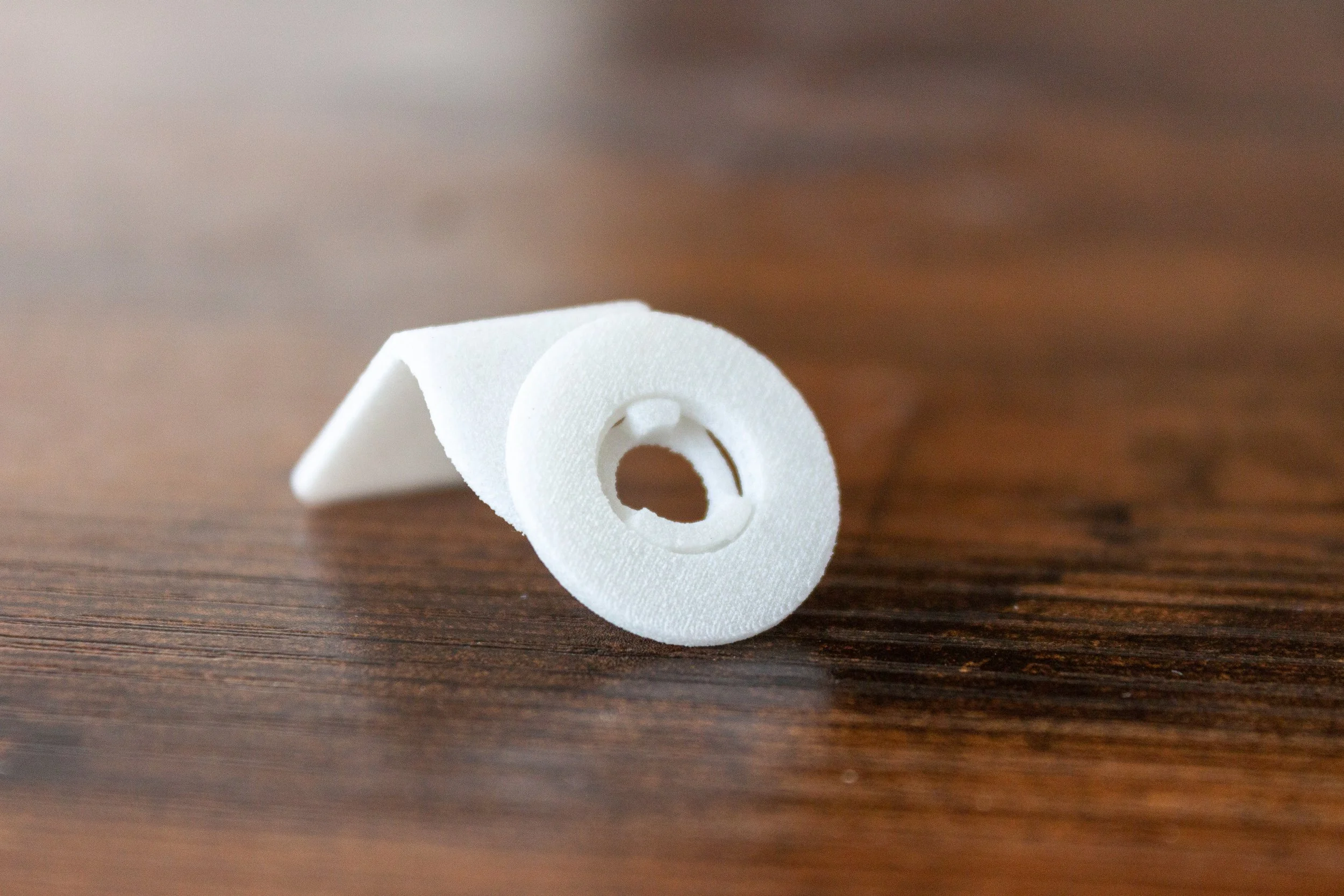
1:1 scale test print - establishing basic clip geometry and pivot placement
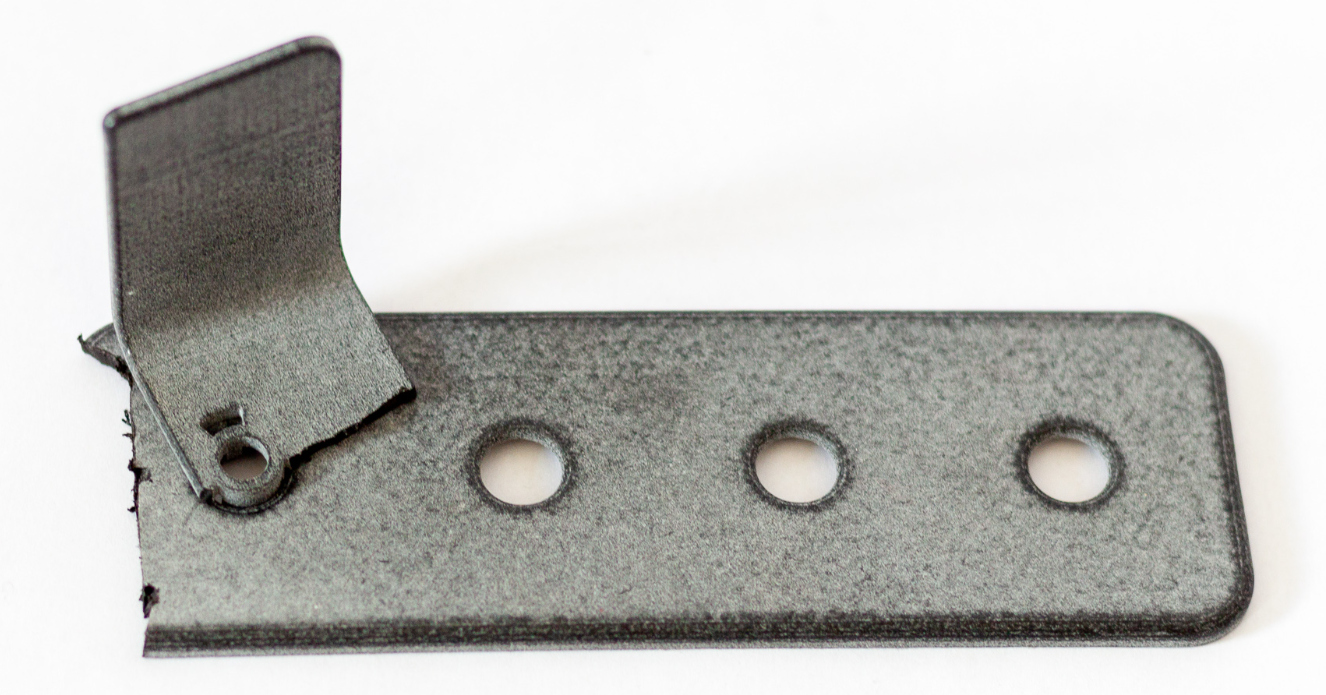
2:1 scale prototype - validating fine feature dimensions unachievable at full scale
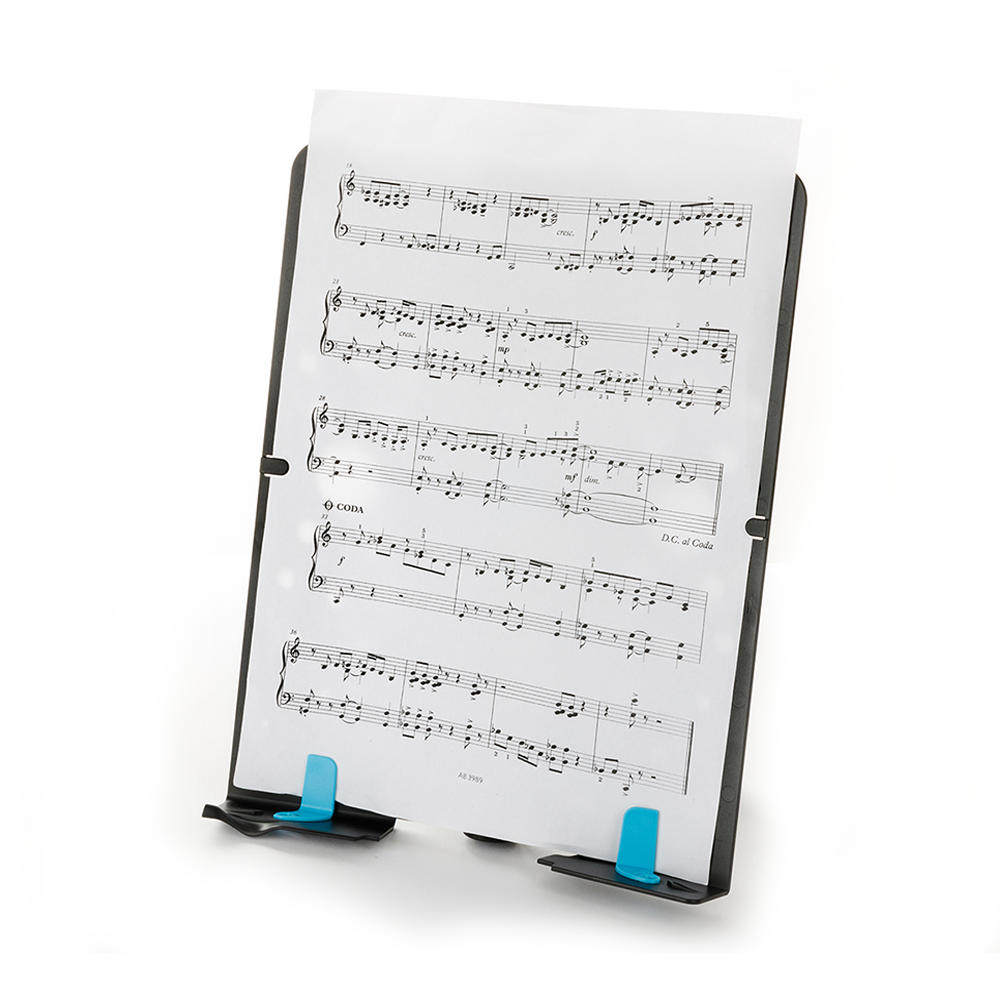
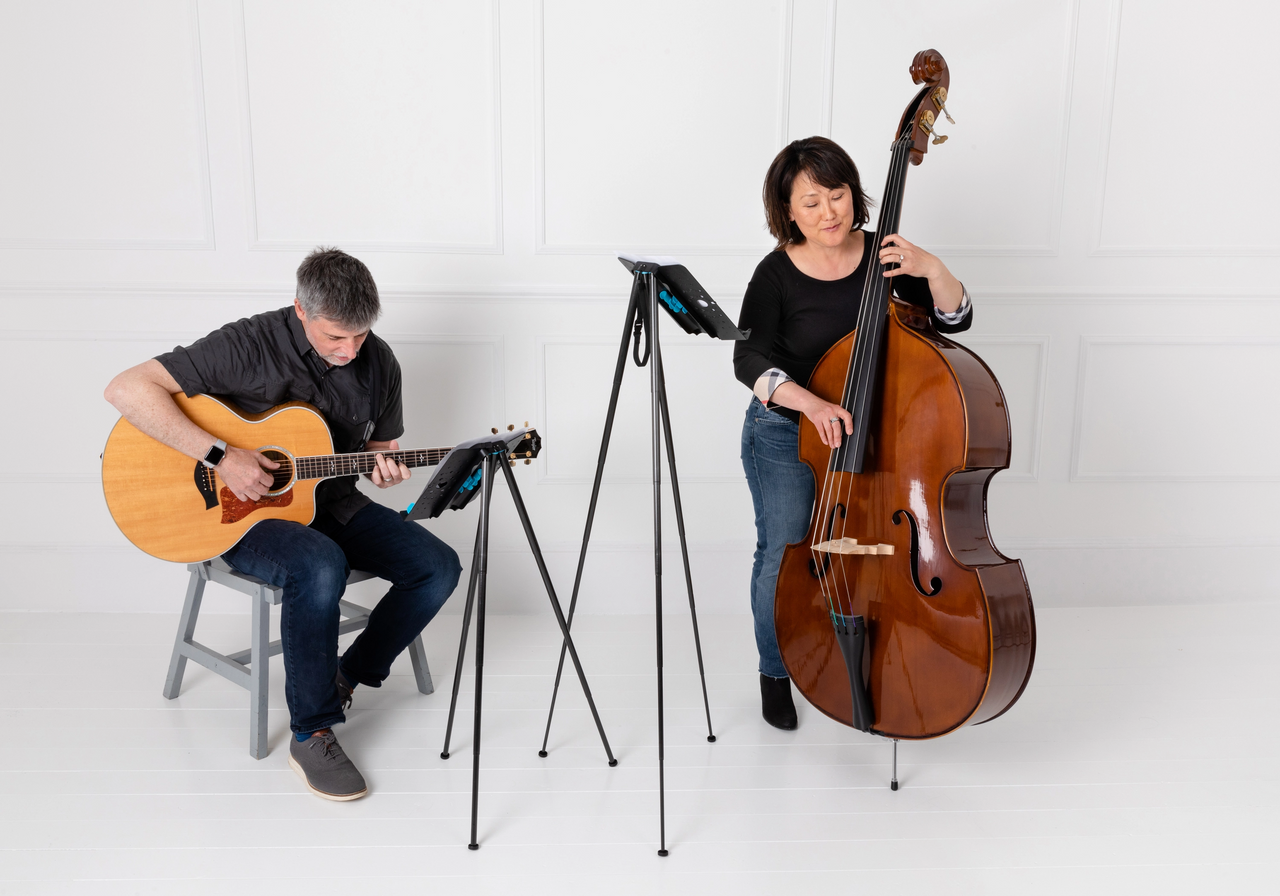
Final stand holding sheet music - tabs and clips in use
Outcome
Wee Stand launched on Kickstarter, raising $260k+ before going on to sell 8,000+ units globally and generating over $800k in revenue. The design was awarded the Red Dot Design Award in 2022 and patented the same year.