2025 · FOUNDER, LEAD DESIGNER
Compass
Navigate your winemaking with ease
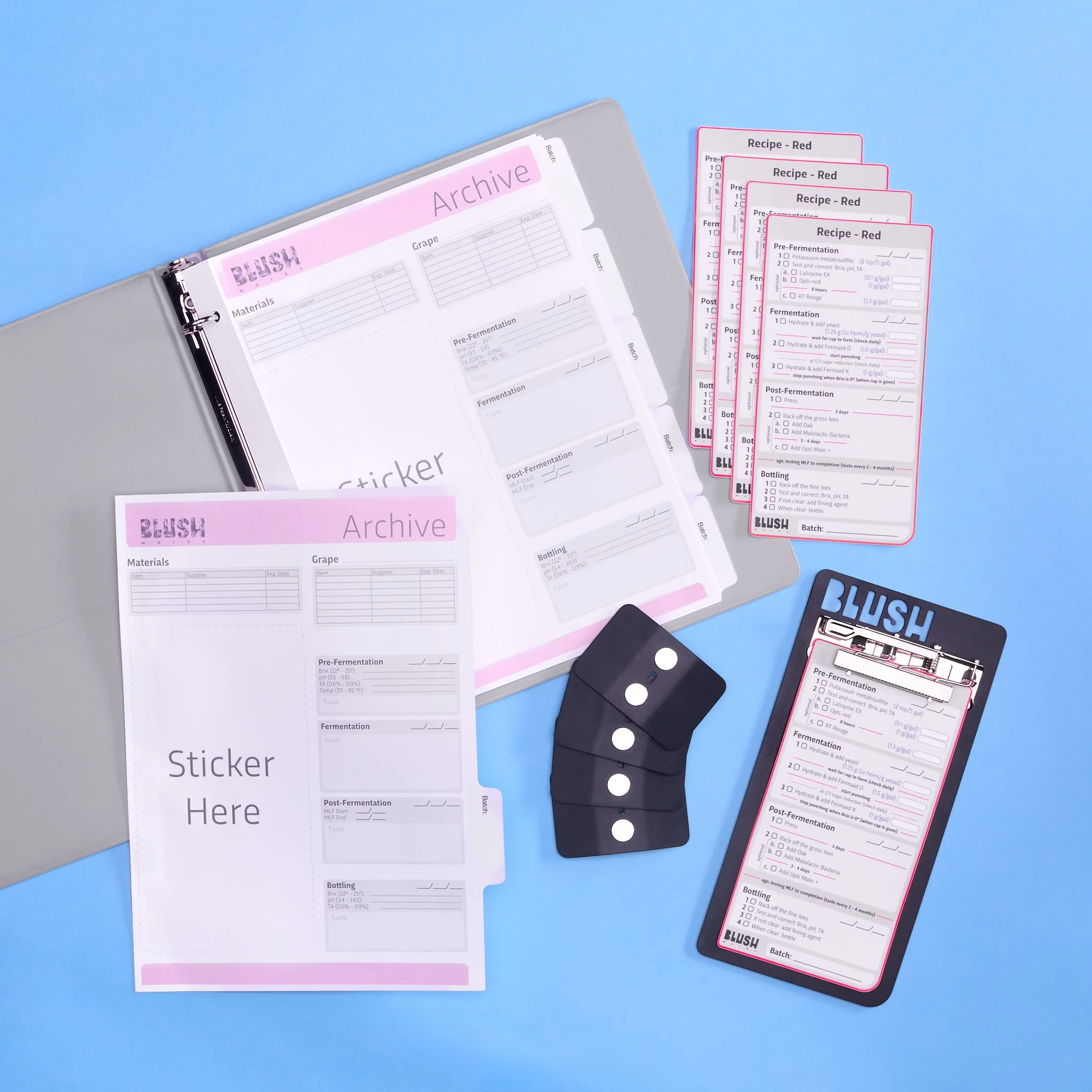
Quick Facts
Founded Blushworks in 2024 - identified market gap, defined brand, built operations from scratch
End-to-end product development from brief through manufacture and delivery
Designed sheet metal, paper, and custom binder components
Sourced manufacturers and logistics partners
Built and managed D2C sales, distribution, and warehousing
Spokesperson at trade shows across the US
Patent-pending on core tracking system

Opportunity
My dad has been making wine for years. Watching him work, I kept seeing the same workaround - blue tape on every vessel, scrawled with dates, grape varieties, and half-remembered steps. Notes scattered across phones, notebooks, and scraps of paper. Information lost every time the wine moved to a new vessel.
The problem wasn't that he lacked discipline. It was that no product existed to support the way home winemaking actually works - months-long, multi-vessel, and deeply personal. Tracking isn't a labeling problem. It's a system design problem. Information needs to travel with the wine while building knowledge over time.
Brief
Follows the Wine
Never Miss a Step
Learn From Every Batch
Follow the Wine
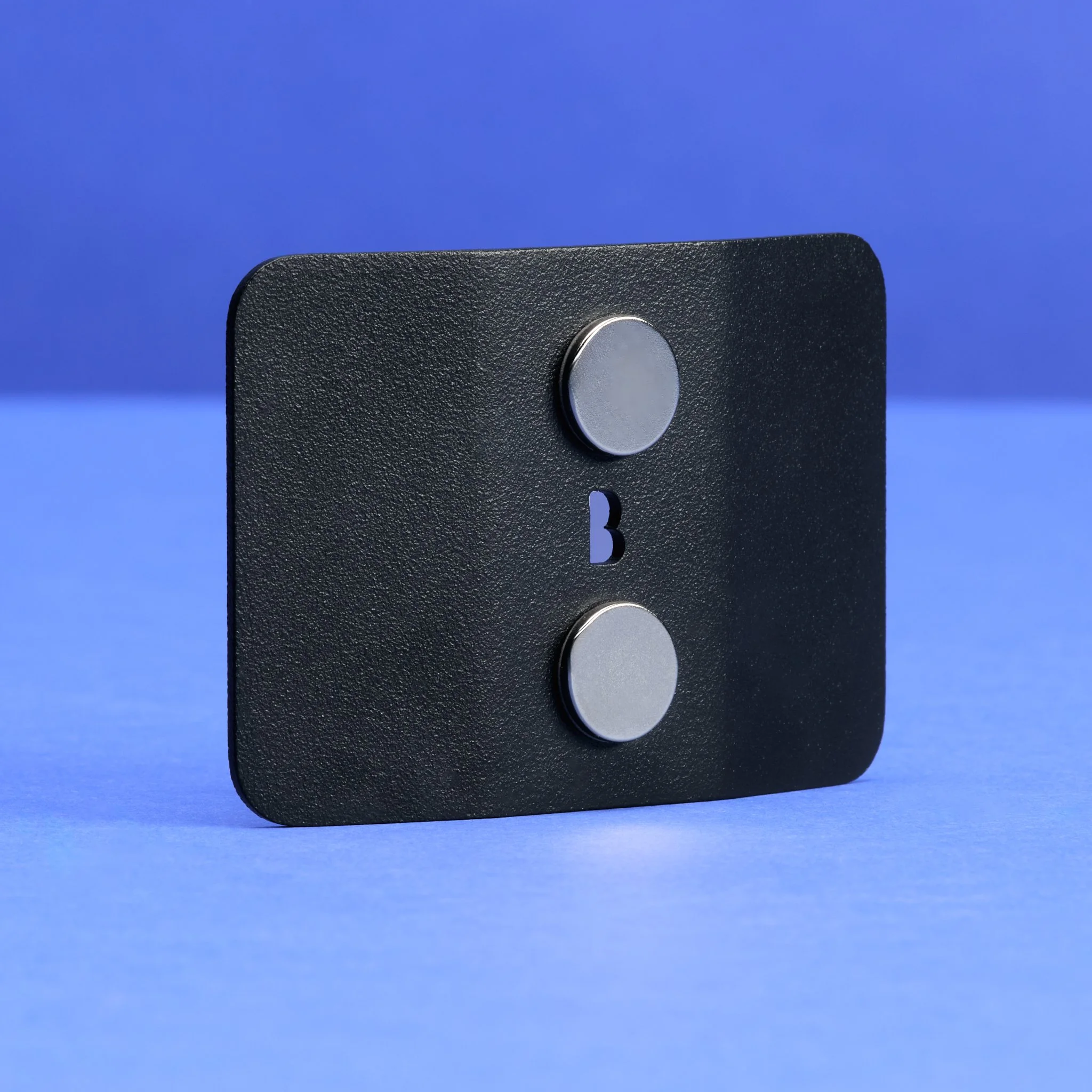
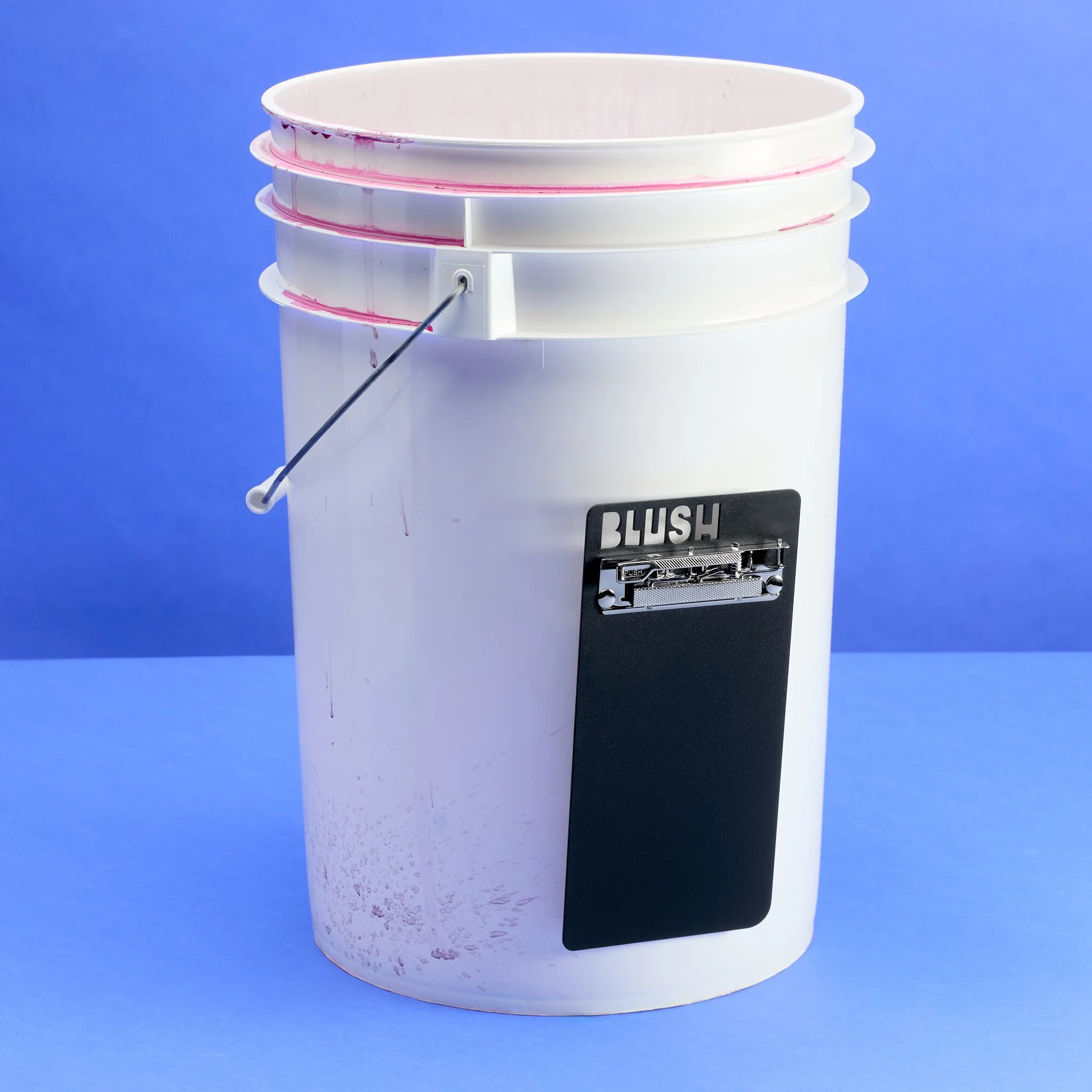
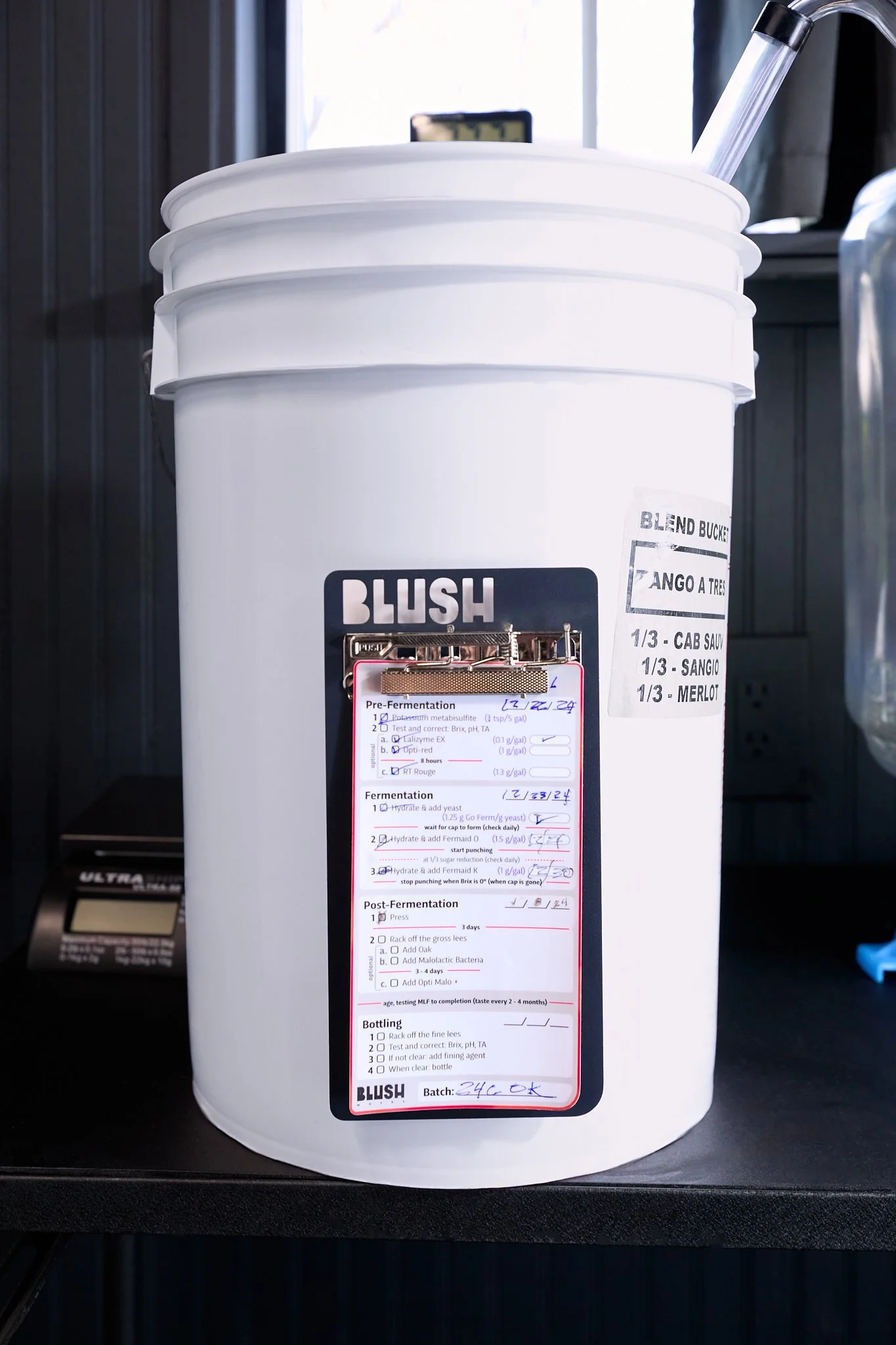
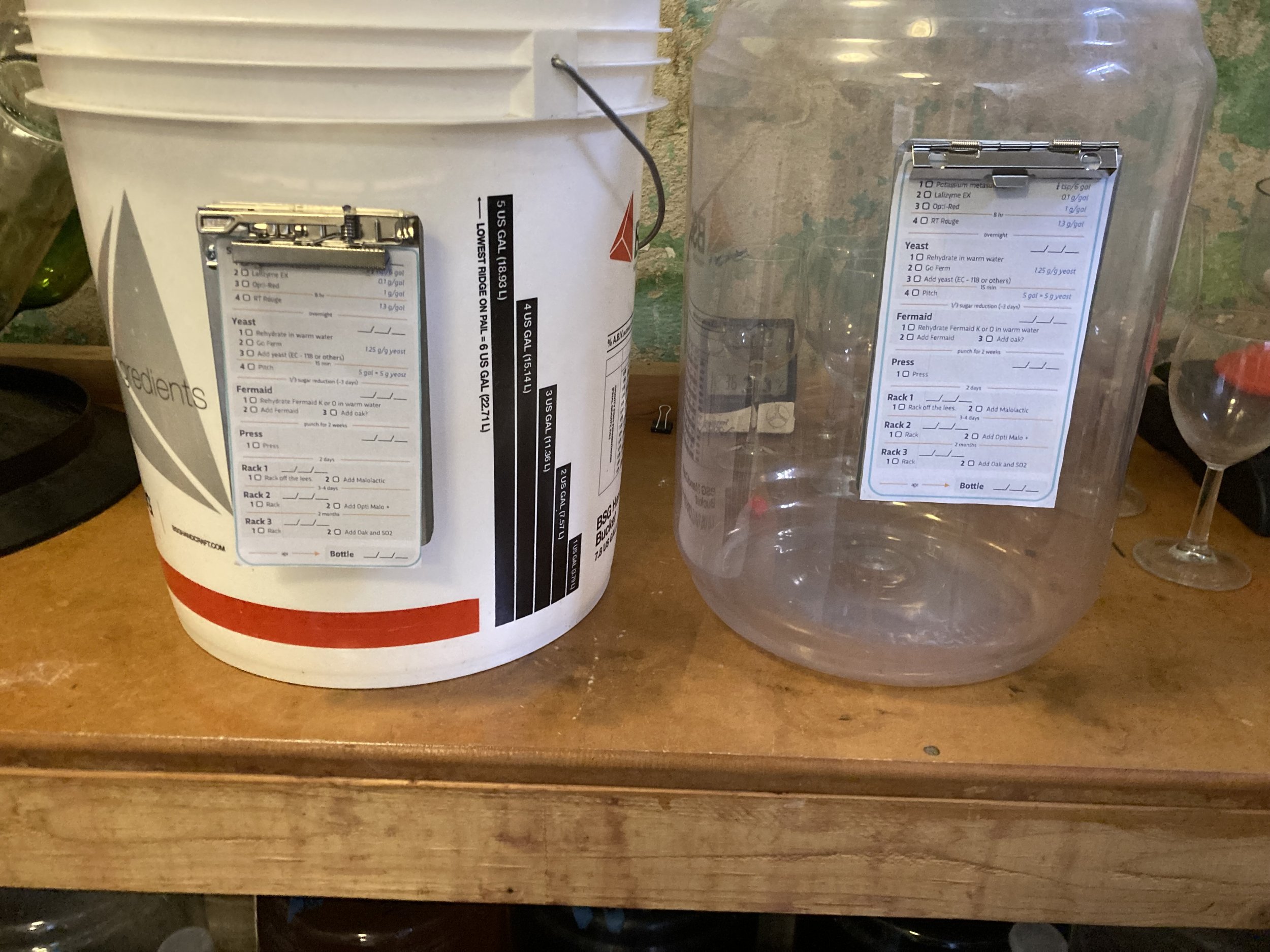
Wine spends months moving between vessels - buckets, carboys, demijohns - and traditional labels stay behind when it does. The insight behind the Mount and Tracker system was simple but specific: the Tracker should always be with the wine, not the vessel. It lives on whichever vessel currently holds the active batch, and moves with the wine when it transfers.
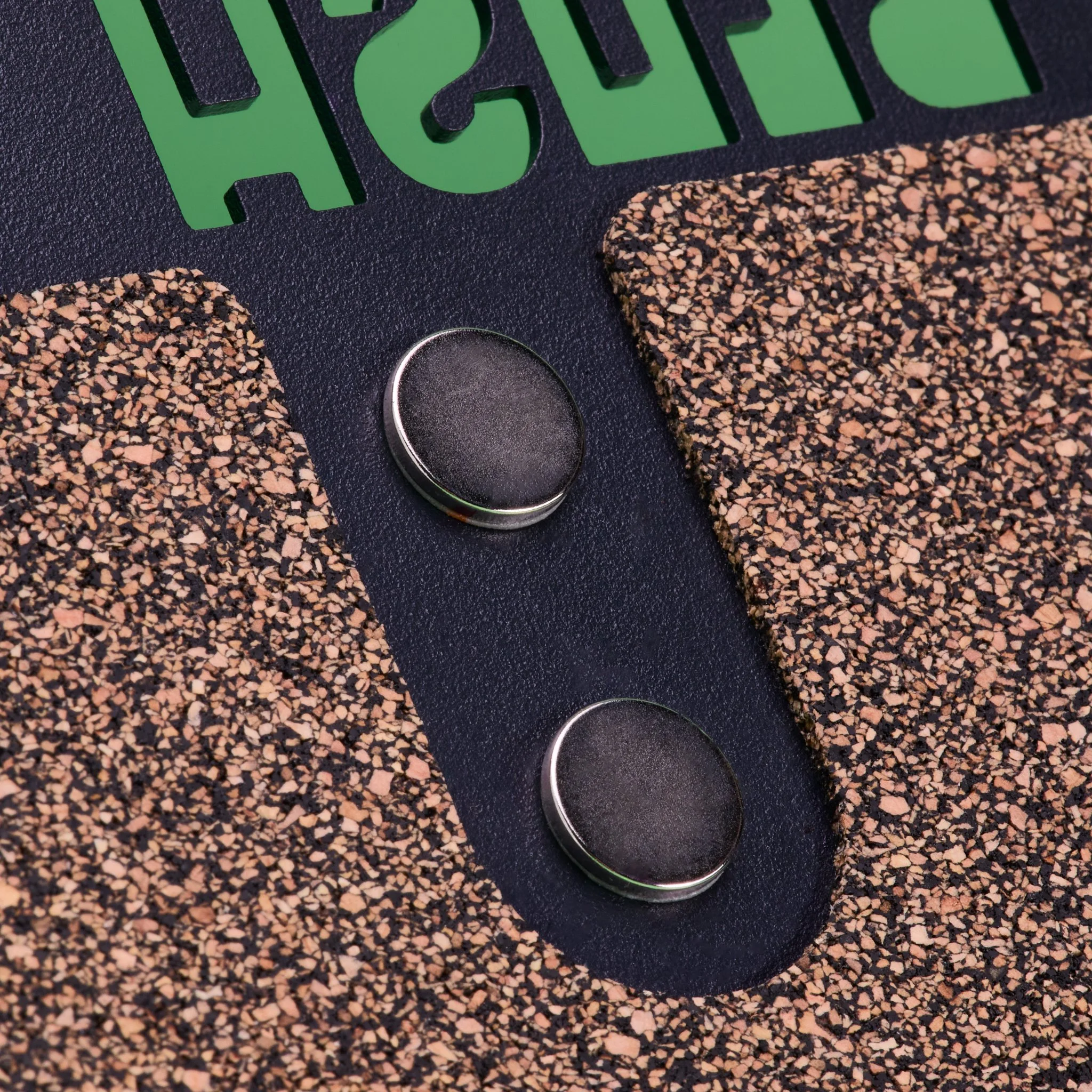
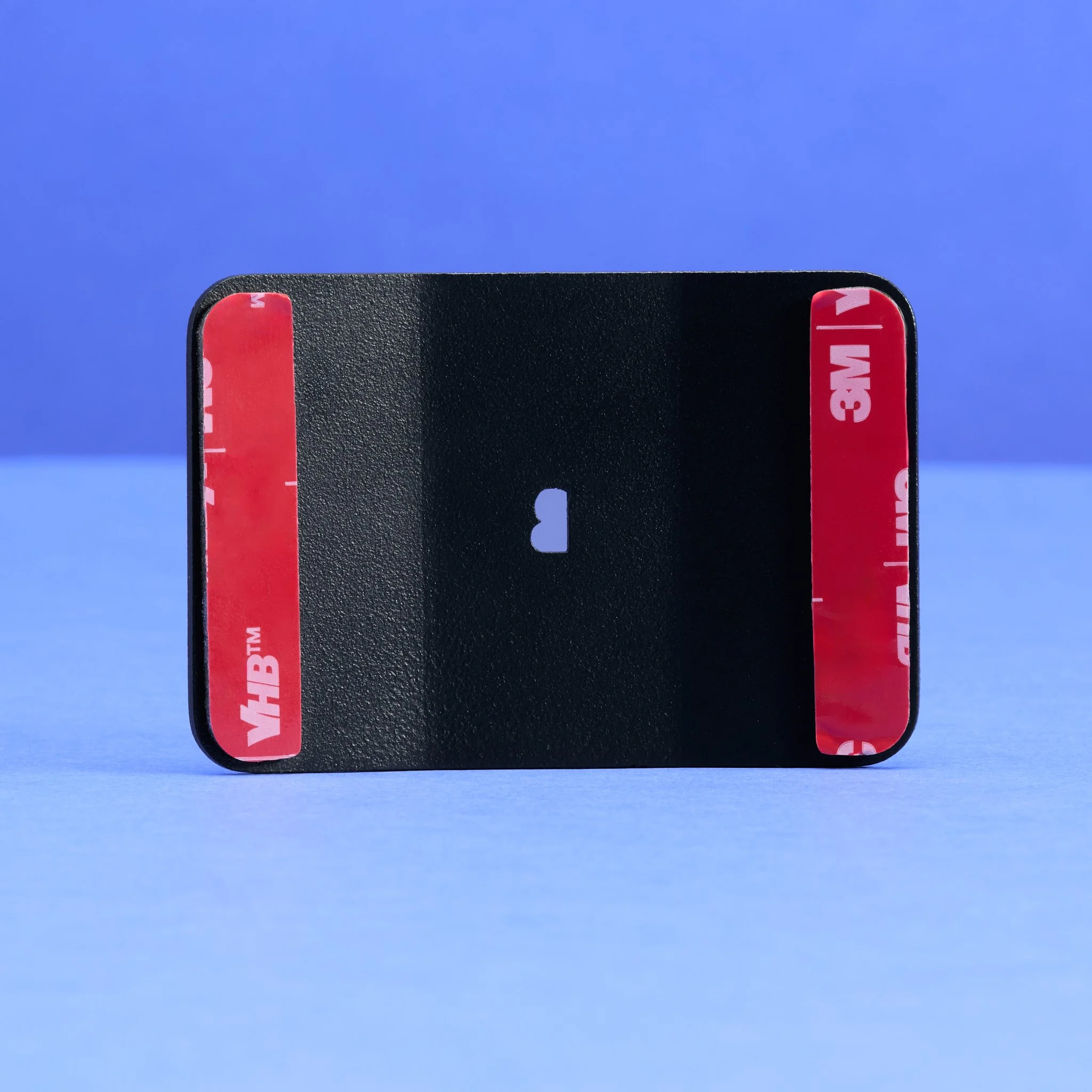
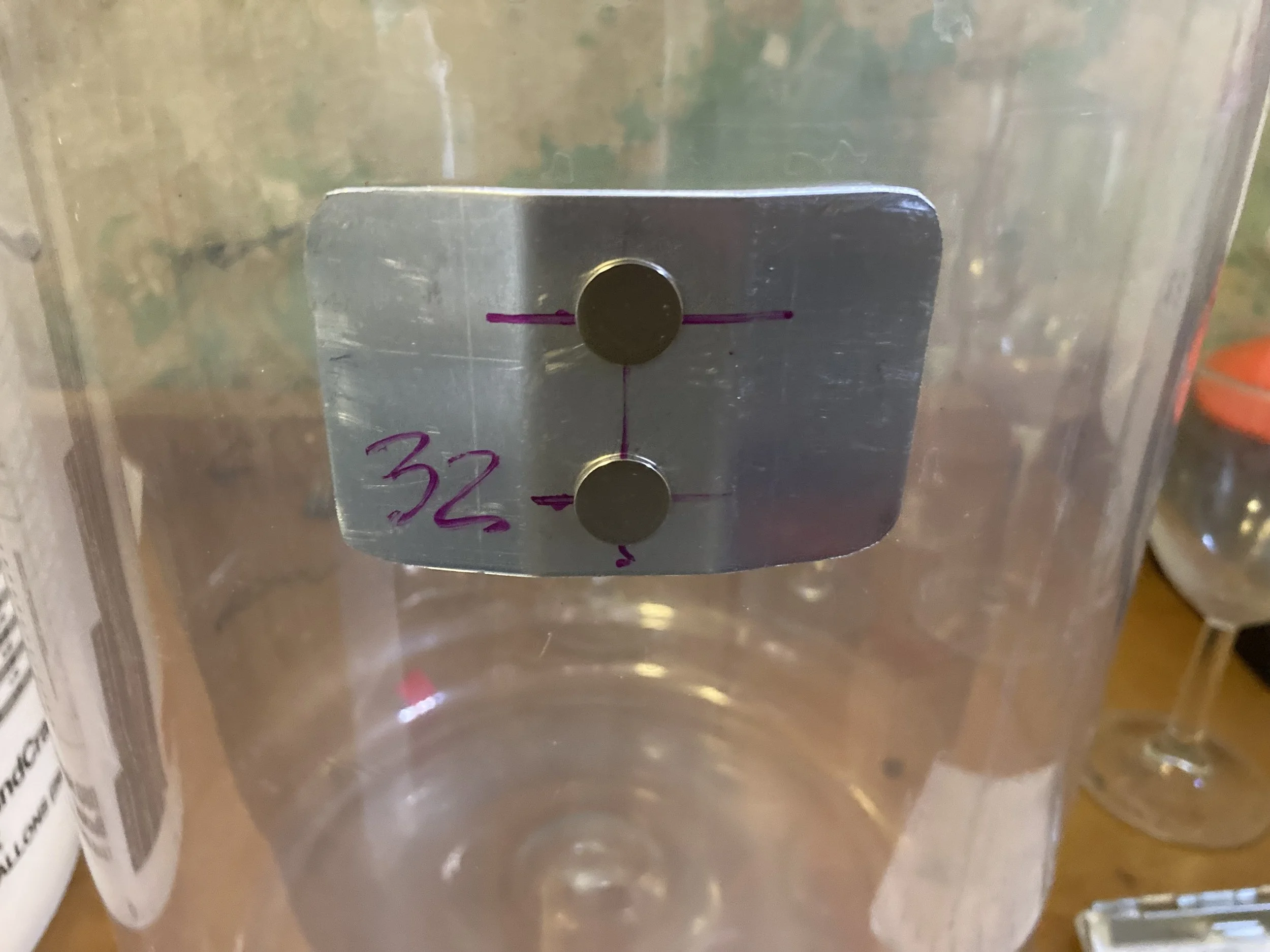
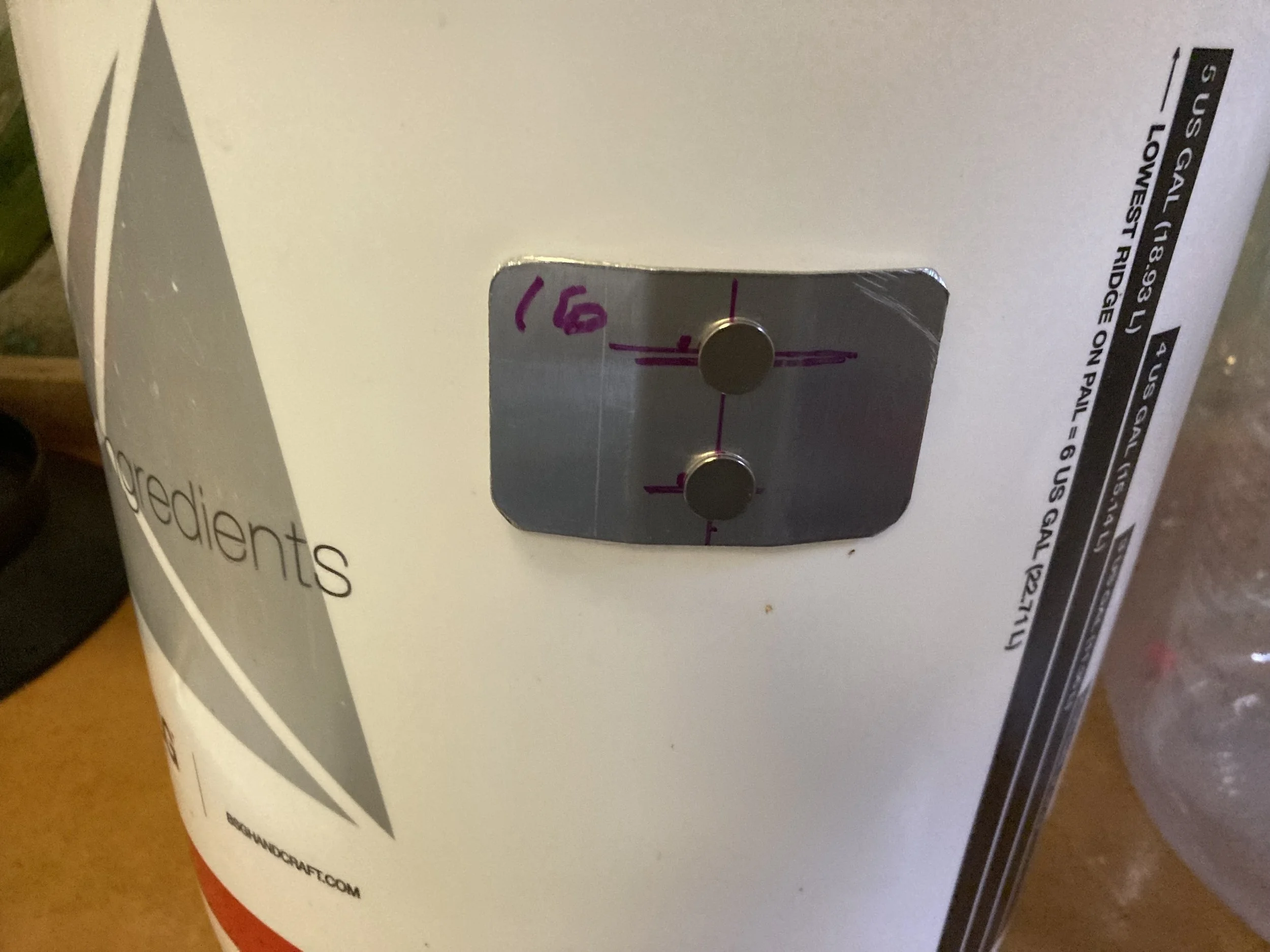
Making that work universally was the core challenge. Fermentation vessels vary significantly in diameter and material - plastic buckets, glass carboys, ceramic demijohns - each with different surface properties for adhesion. The Mount had to bond reliably across all of them, sit low enough not to interfere with handling, and resist the damp, acidic environment of a working fermentation space.
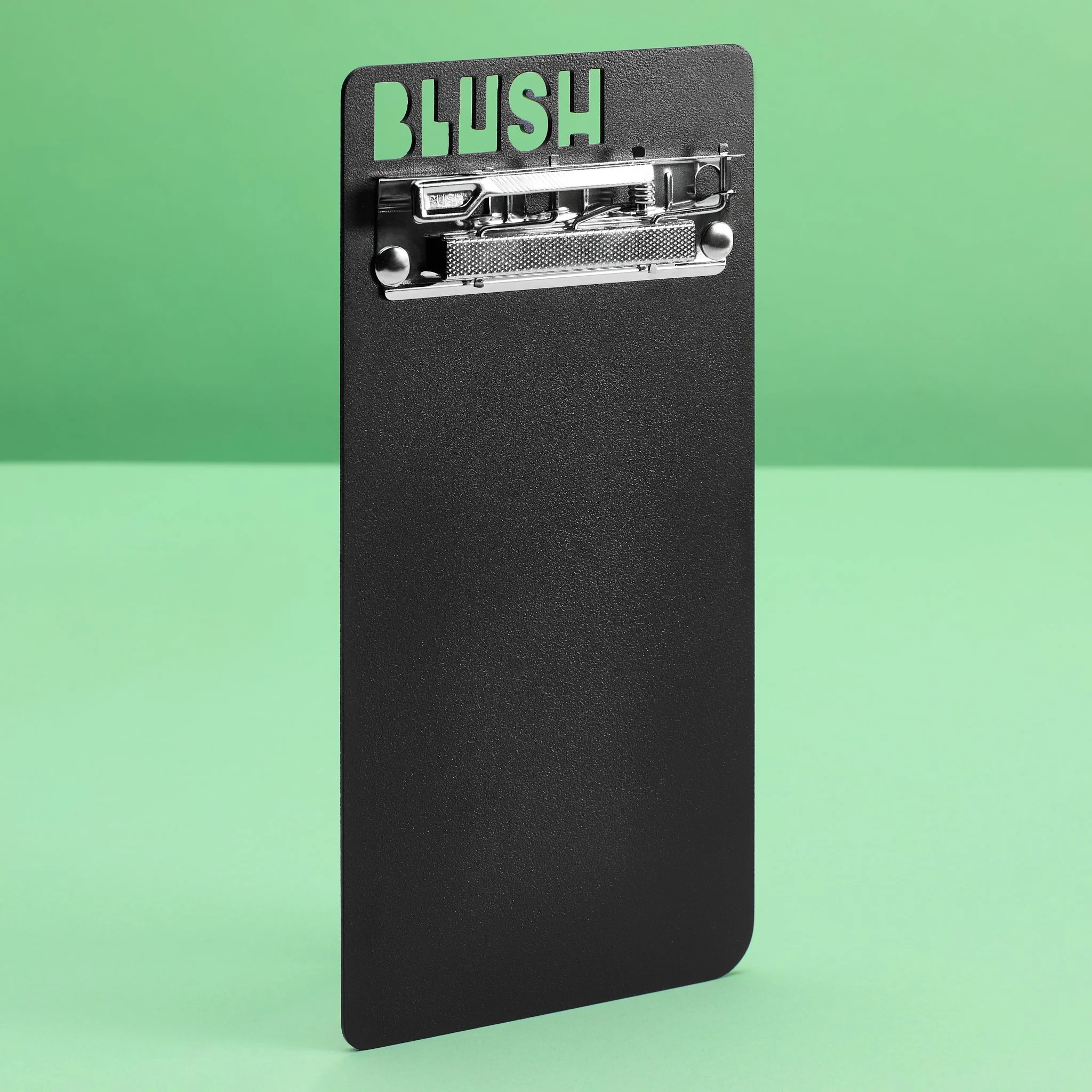
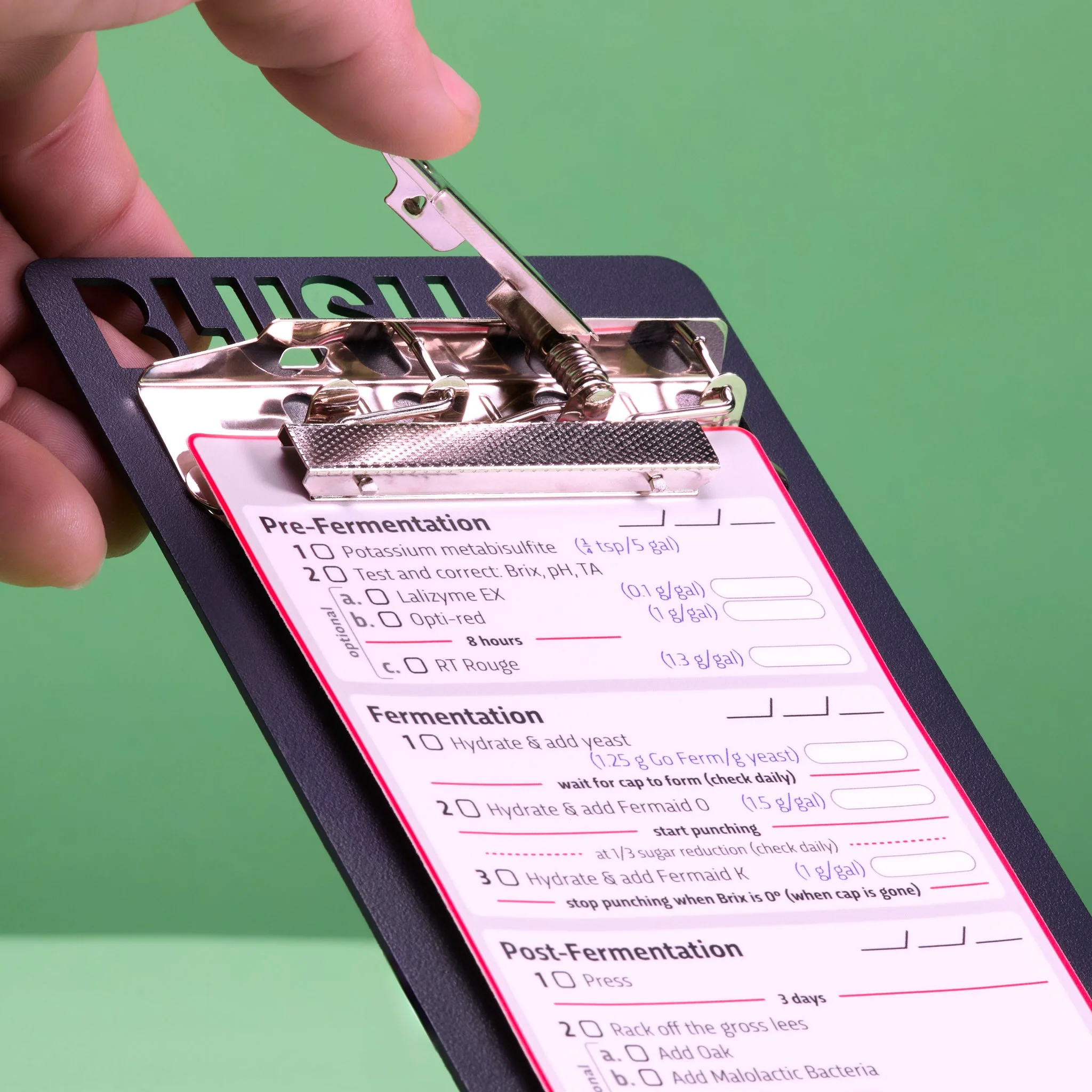
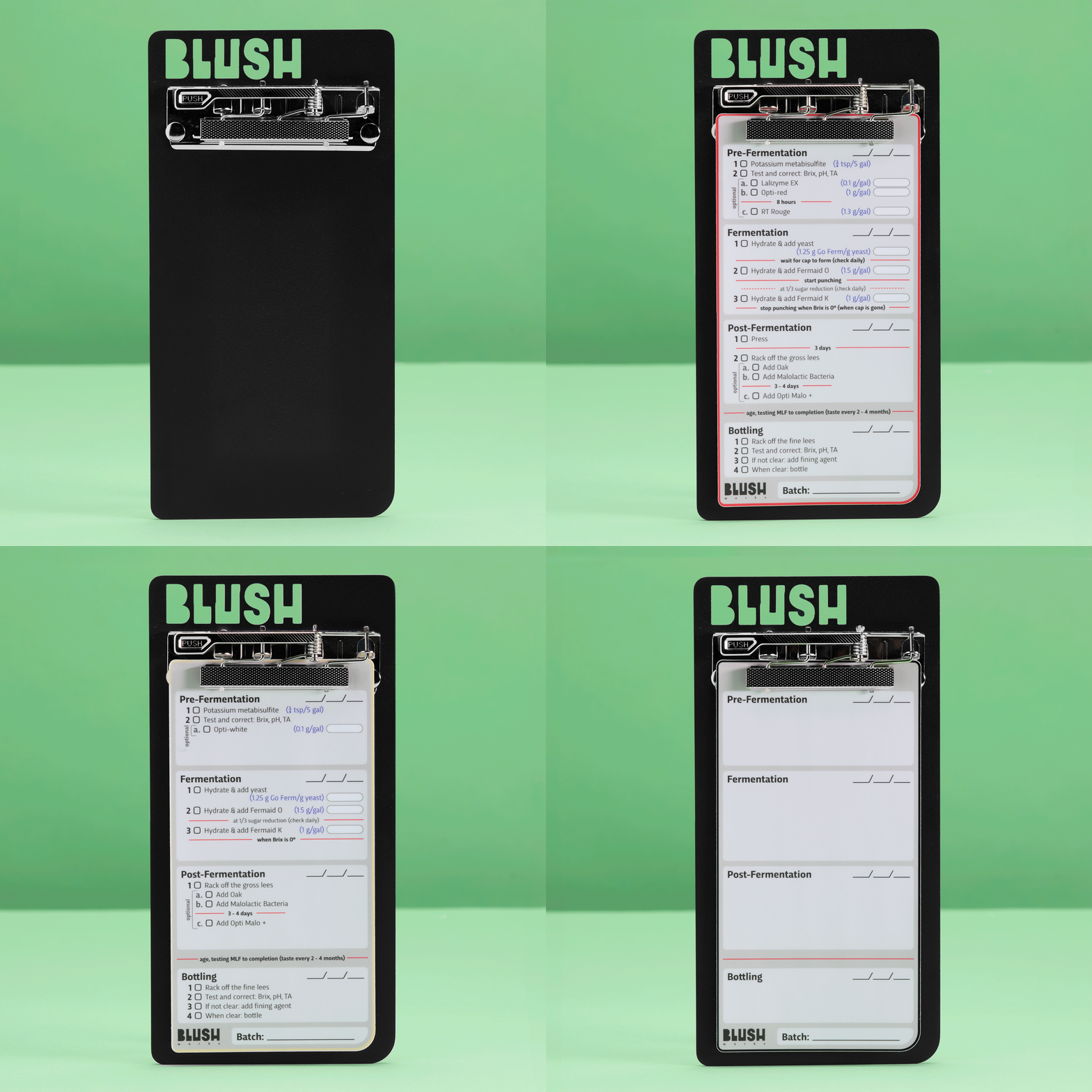
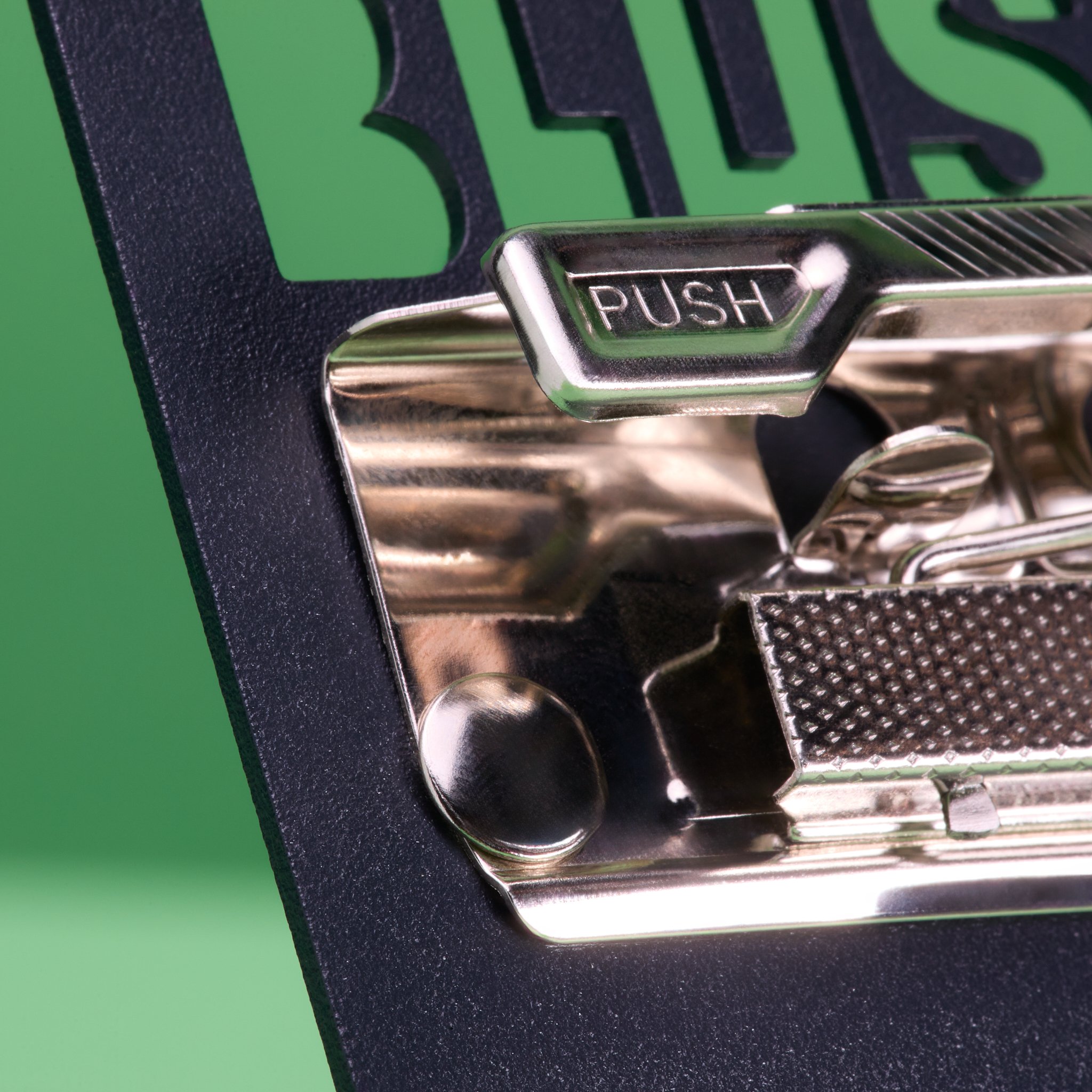
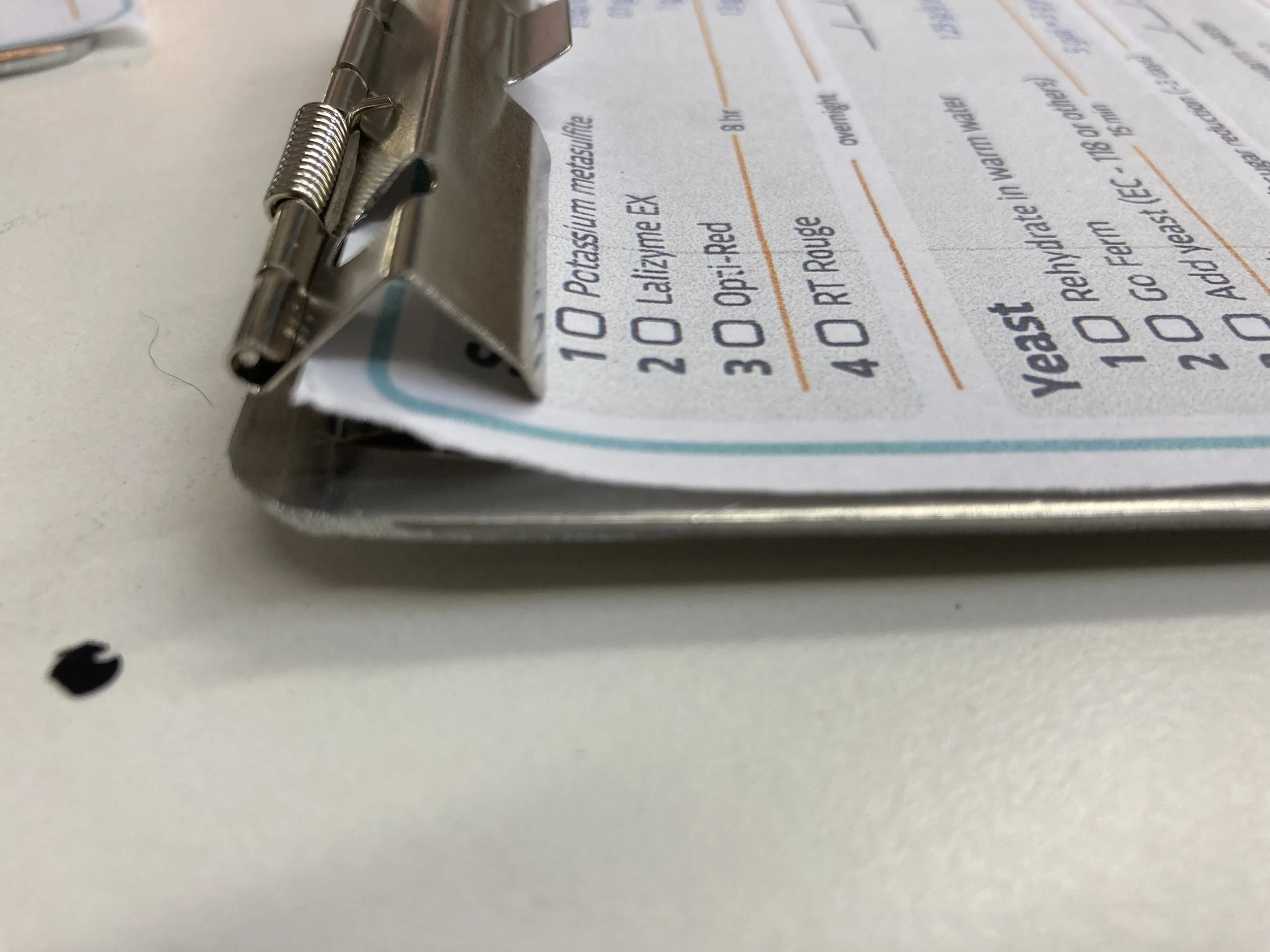
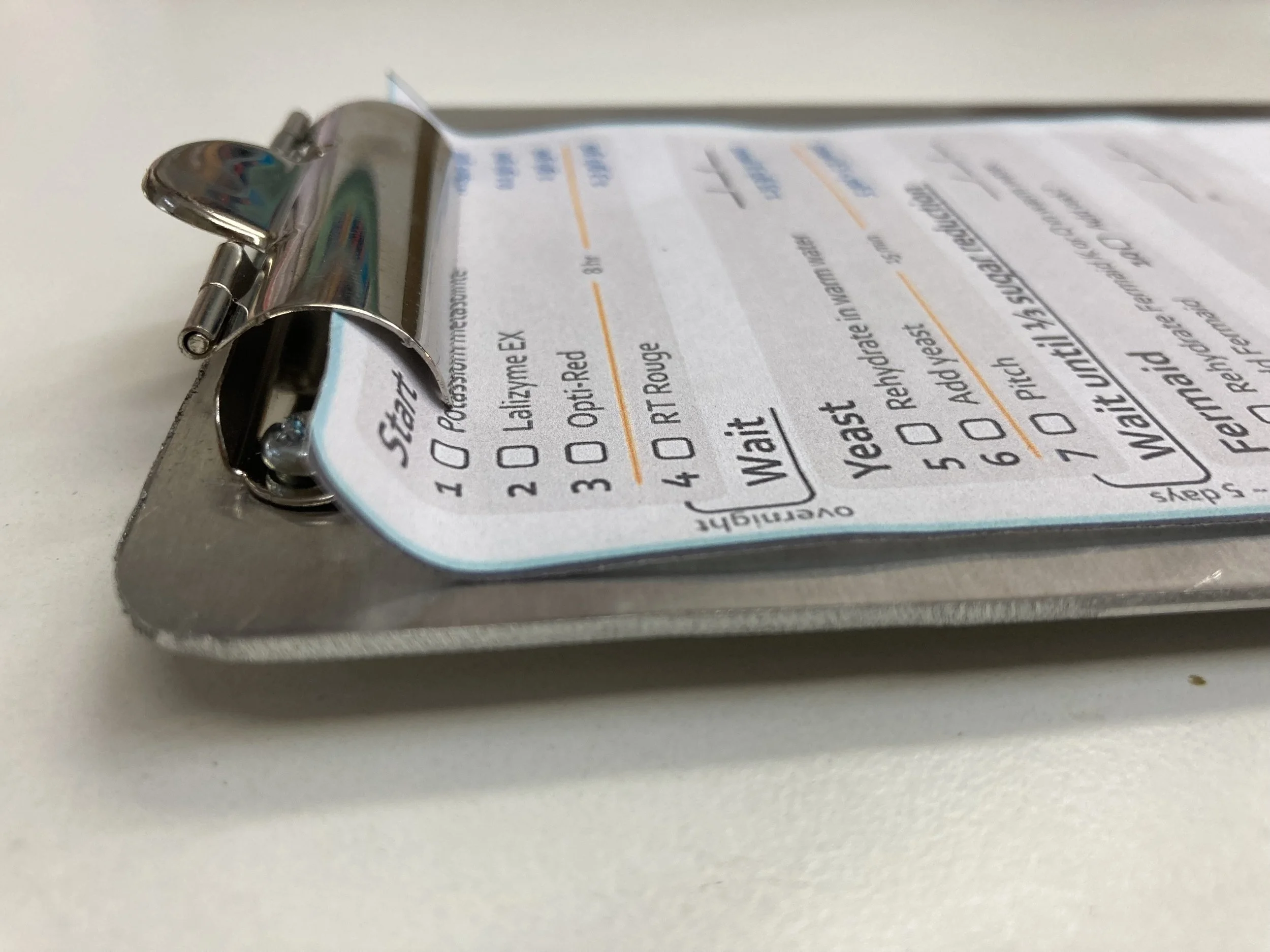
Every aspect of the Tracker was designed around how it would actually be used. The clip holds the recipe card flat without curling or damage and opens without constant tension so the card can be placed and removed one-handed. The Tracker snaps to the Mount magnetically - firm enough to hold during handling, easy enough to release cleanly when it's time to move.
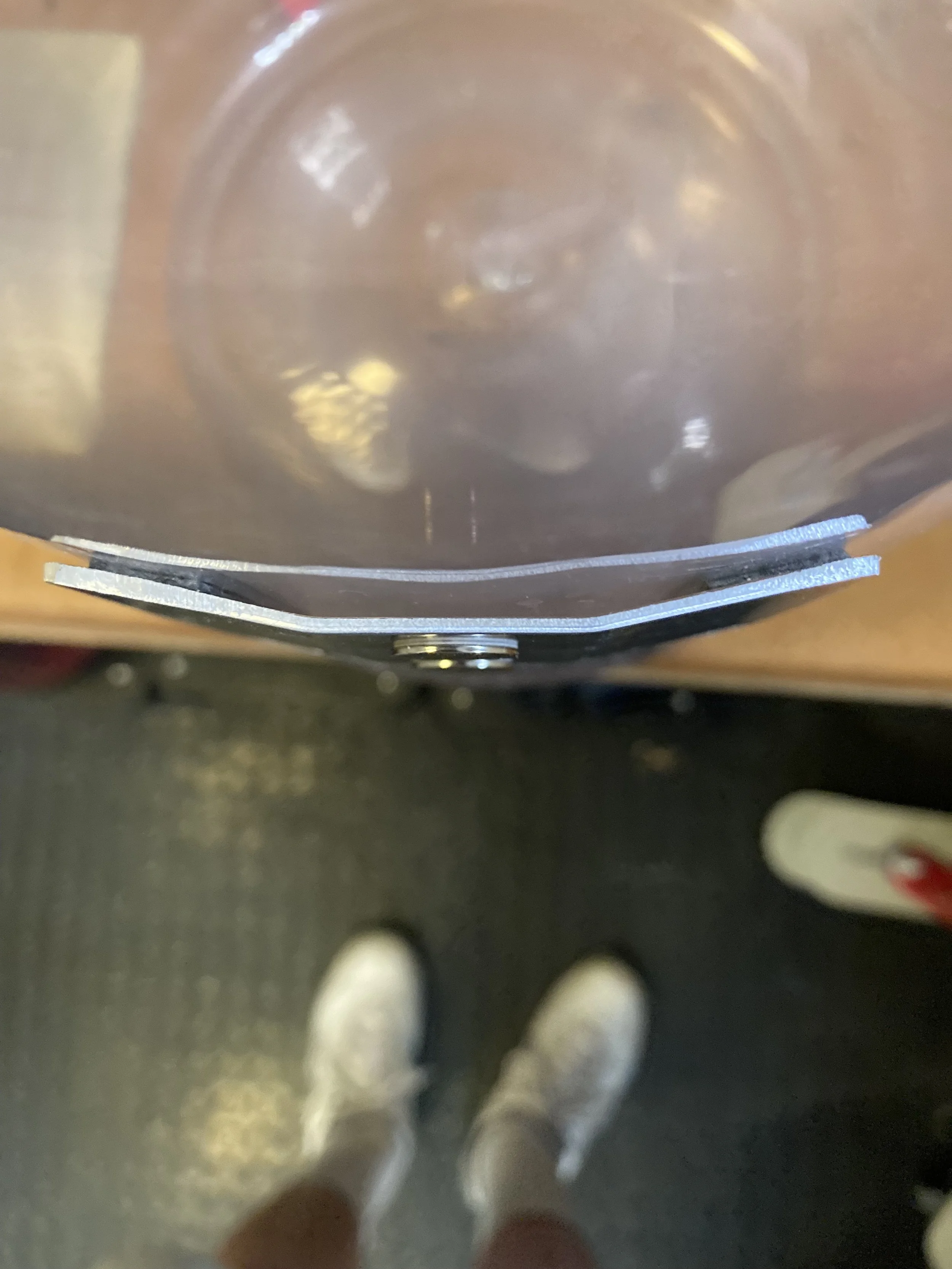
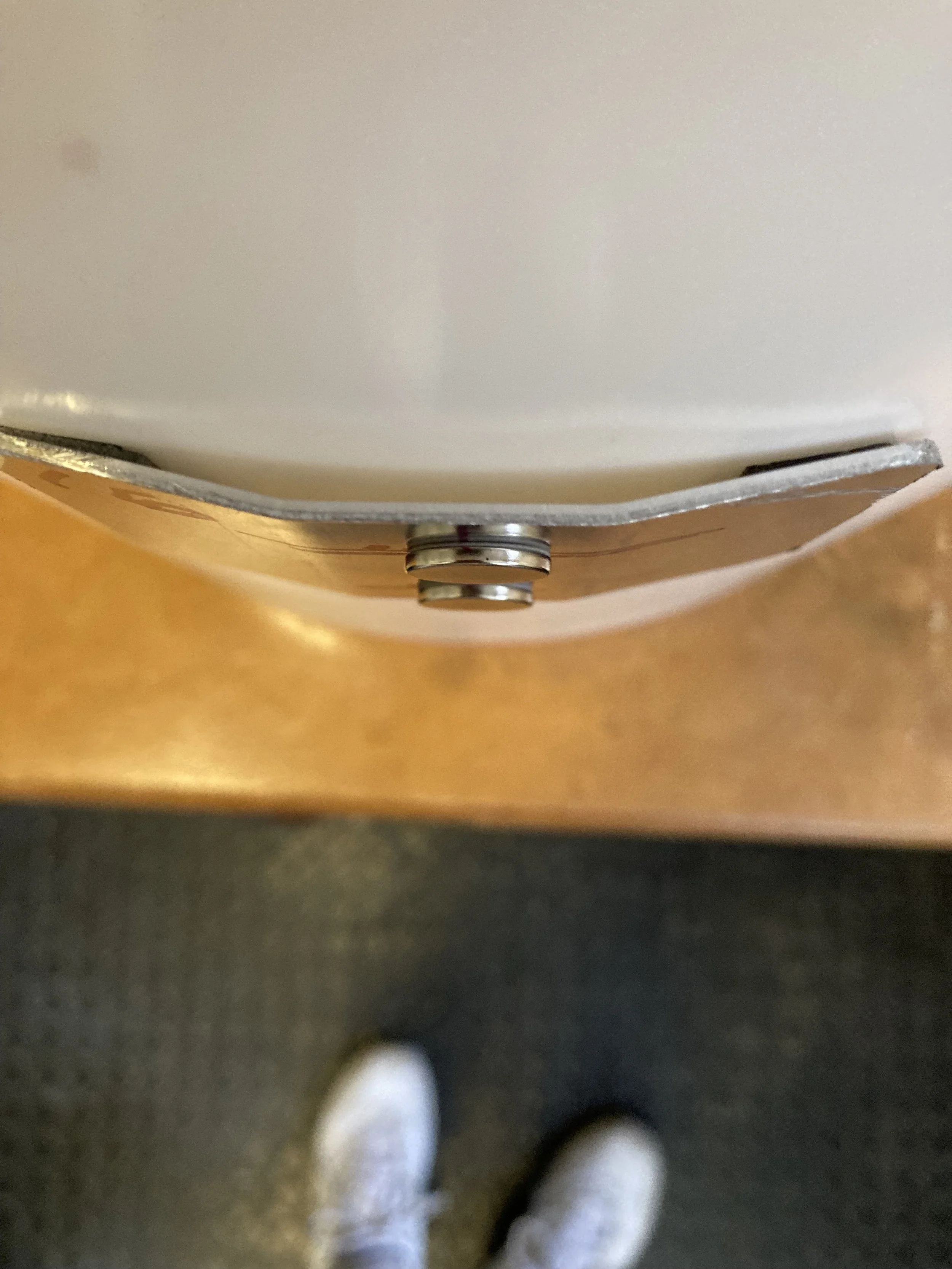
Mount profile bent to accommodate vessel curvature - universal fit across common diameters
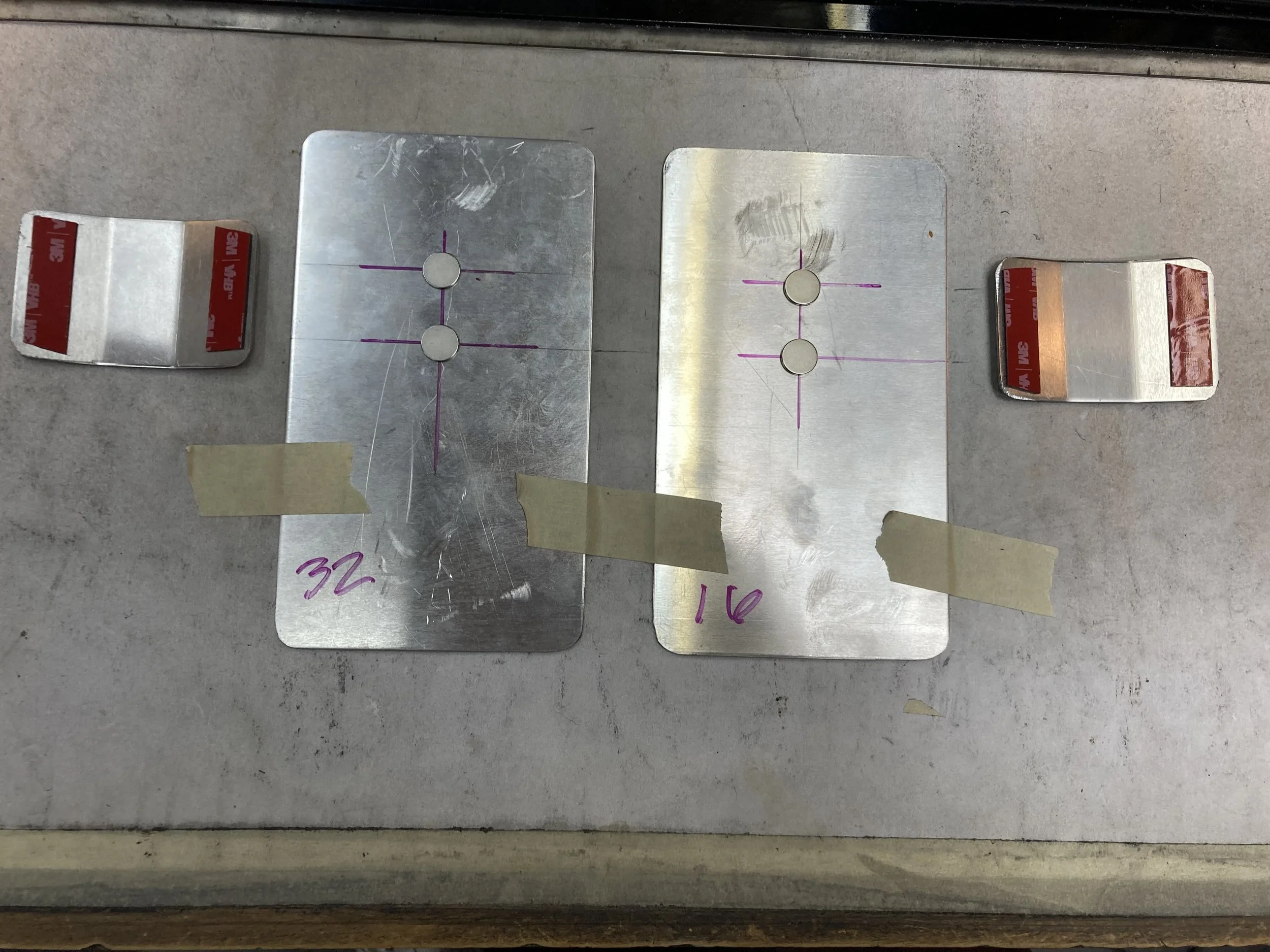
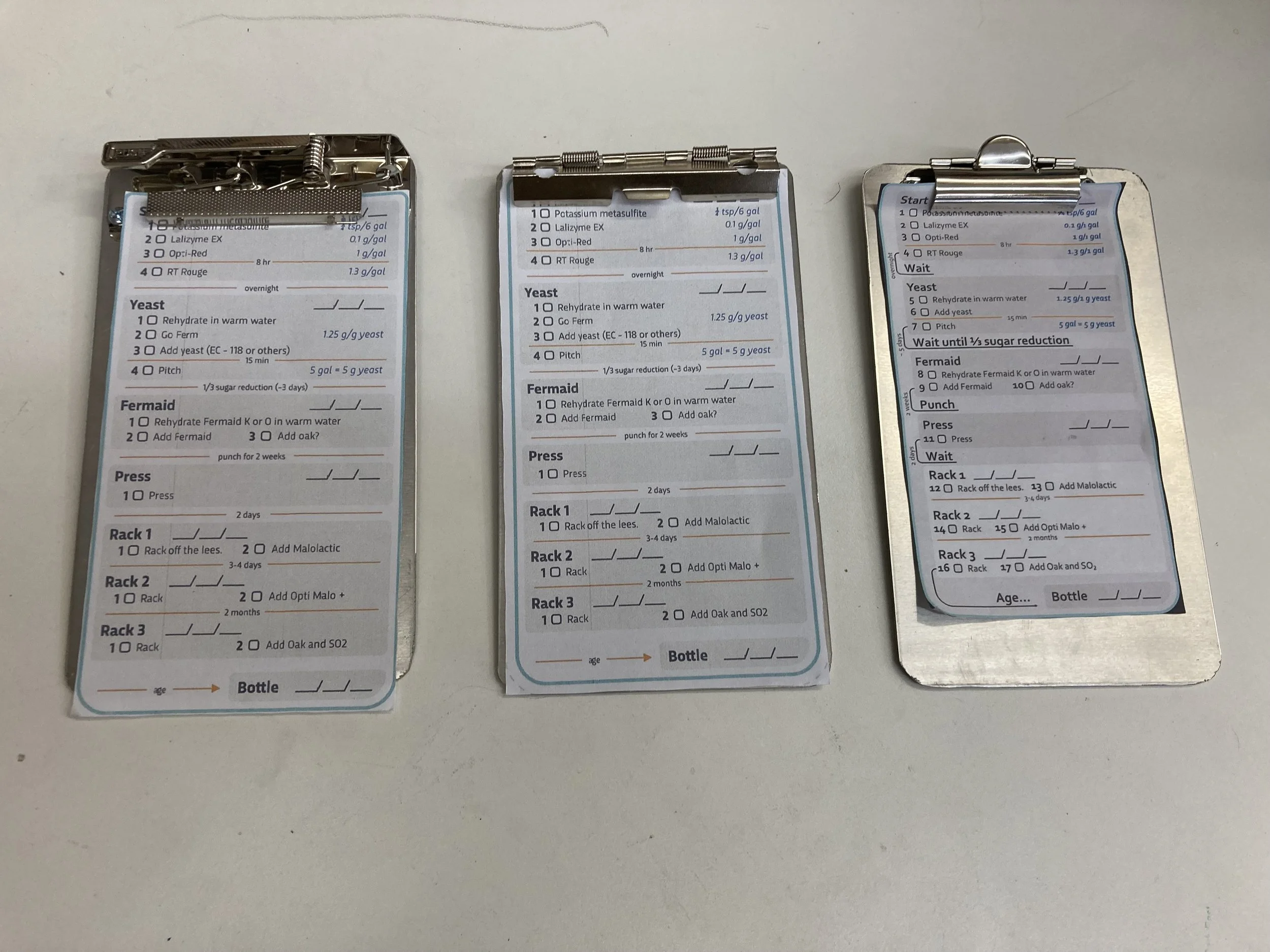
Early prototyping - testing Tracker geometry, Mount dimensions, and magnet placement
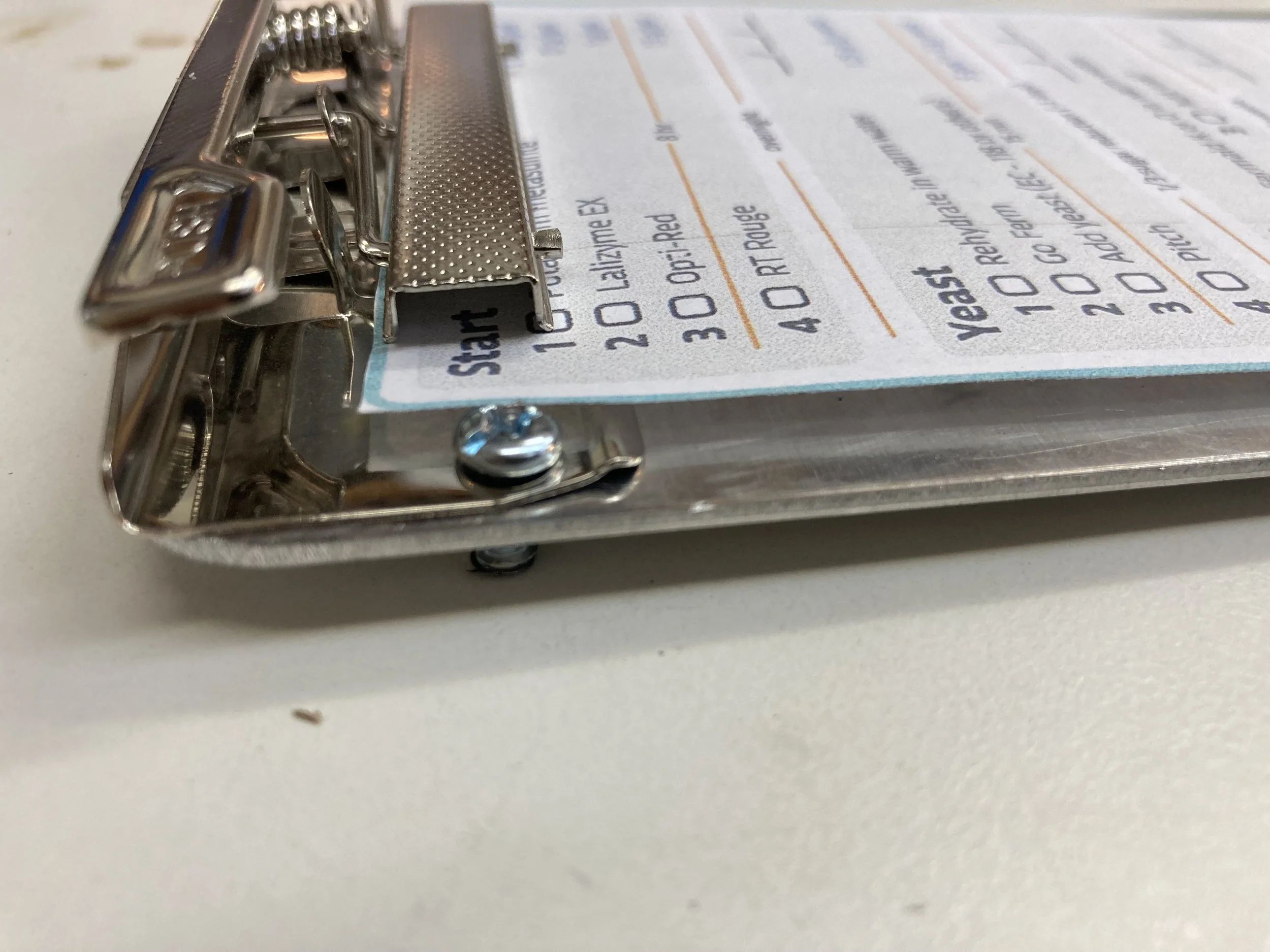
Clip testing - validating that the recipe card sits flat without curling or damage
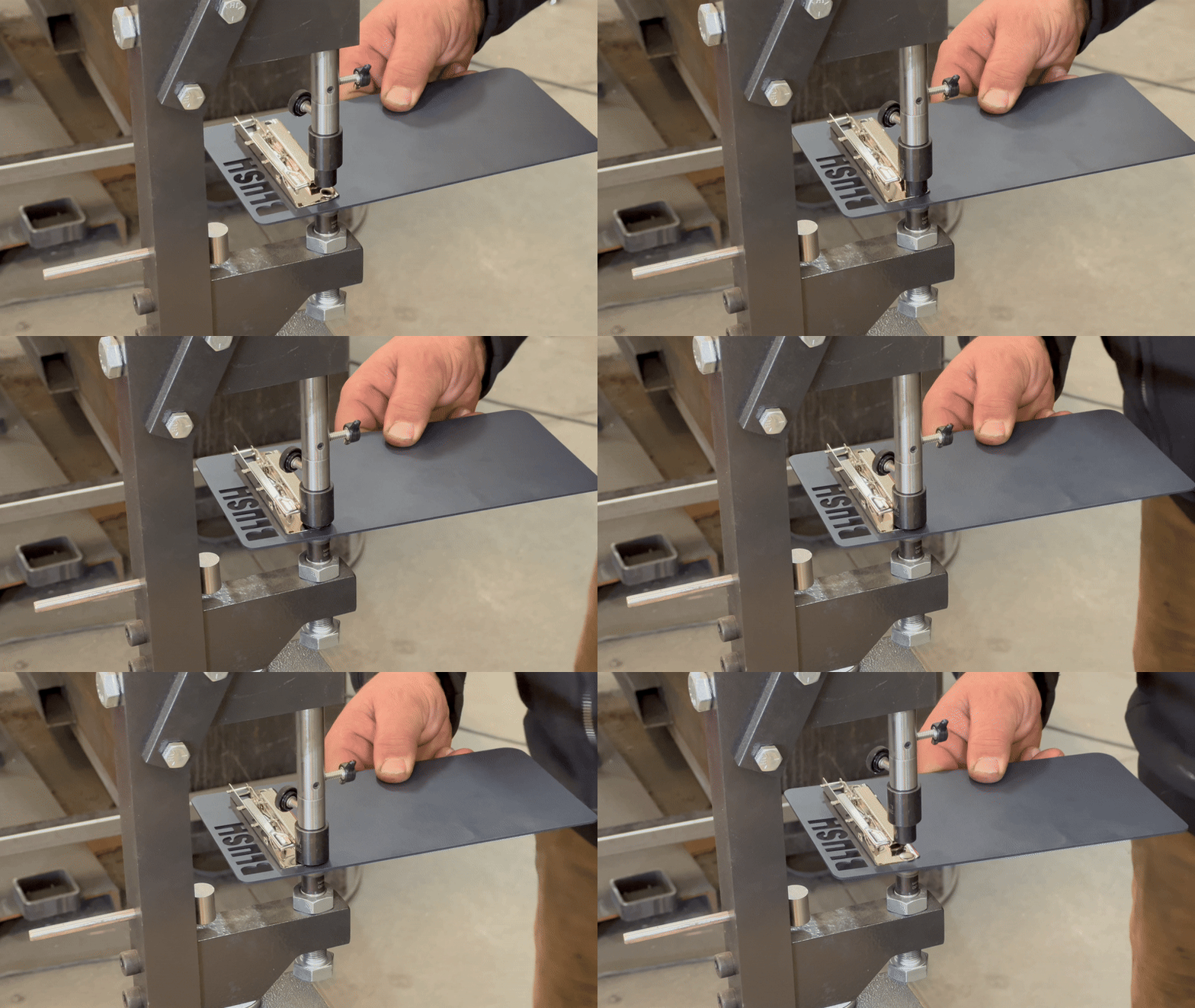
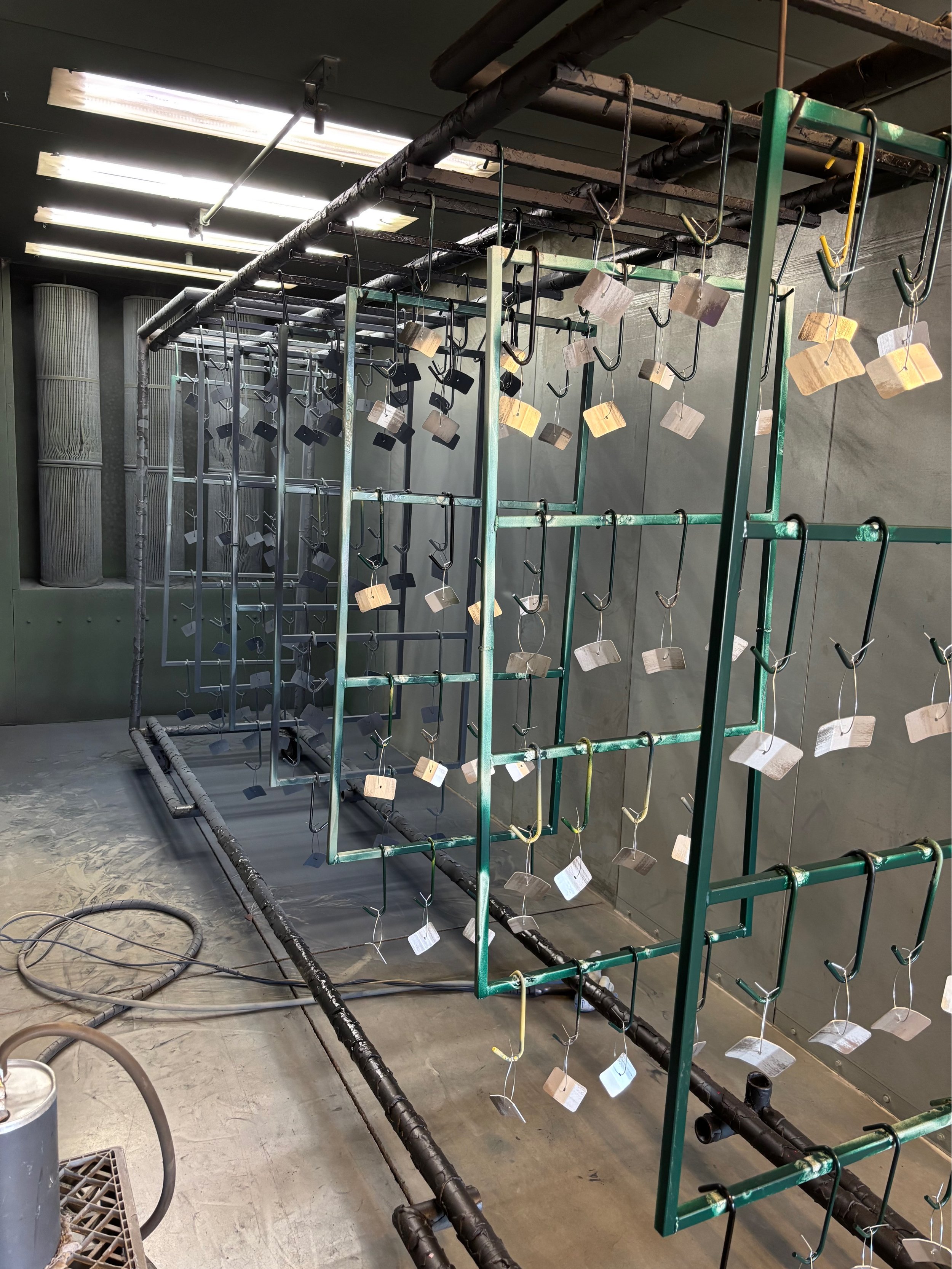
Rivet installation in manufacturing - sourced for clean finish on both faces of the Tracker
Never Miss a Step
Home winemaking is a damp, months-long process often shared between partners or family members. The recipe card had to work as a live reference - something anyone could pick up mid-batch and immediately understand what had been done and what hadn't.
The content design was as challenging as the physical design. Steps had to be general enough to apply across most home winemaking approaches without being so prescriptive that experienced makers felt constrained. Optional steps like malolactic fermentation needed to be present without cluttering the card for users who don't use them. The result was a clear hierarchy - essential steps structured and sequenced, optional steps visually distinct.
The physical card solved for real conditions: water-resistant vinyl that survives a damp cellar and sticky fingers, printed as a sticker so that once a batch is bottled it transfers directly onto the Archive Sheet - becoming a permanent record rather than waste.
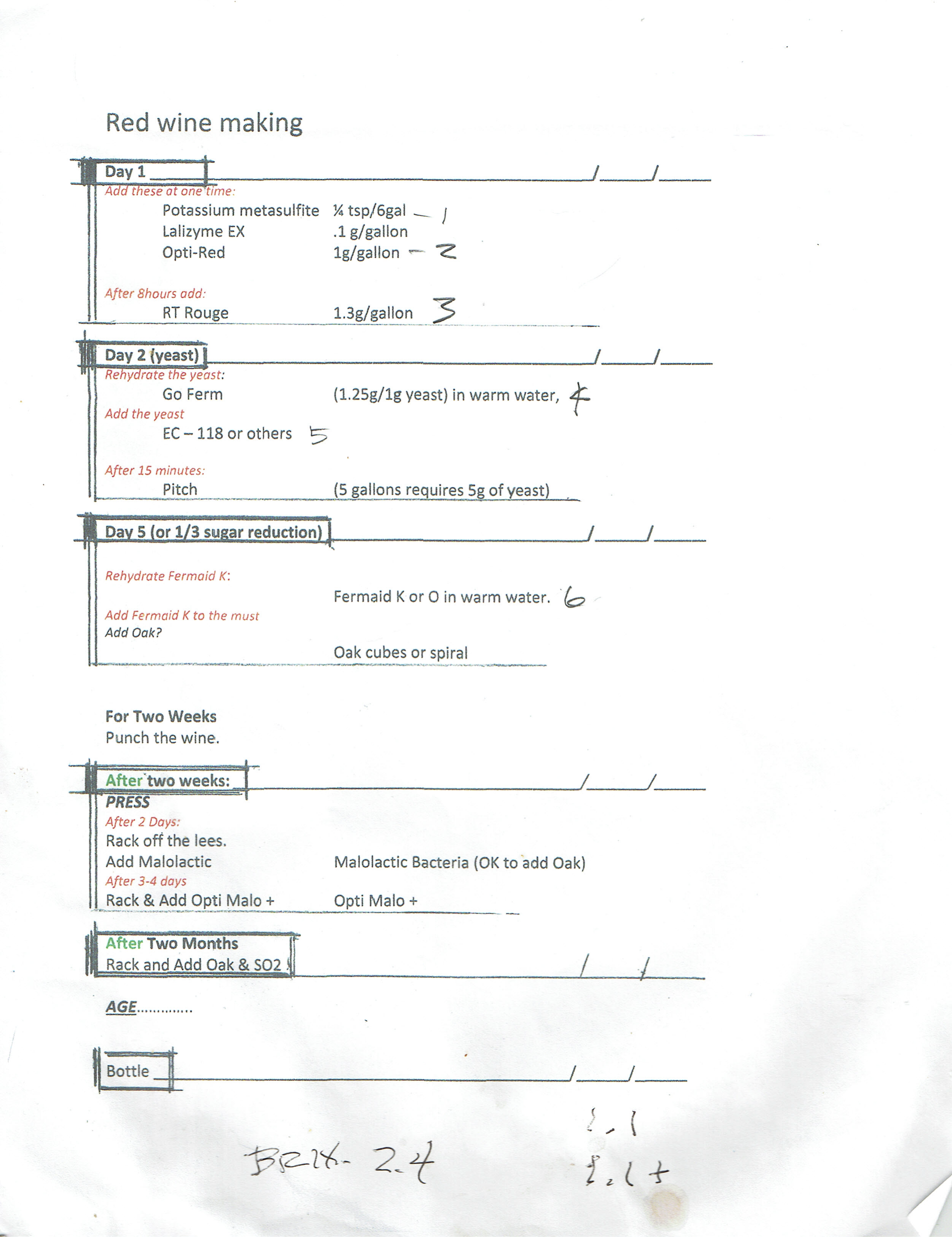
Original recipe notes that needed to be translated to the Recipe Card
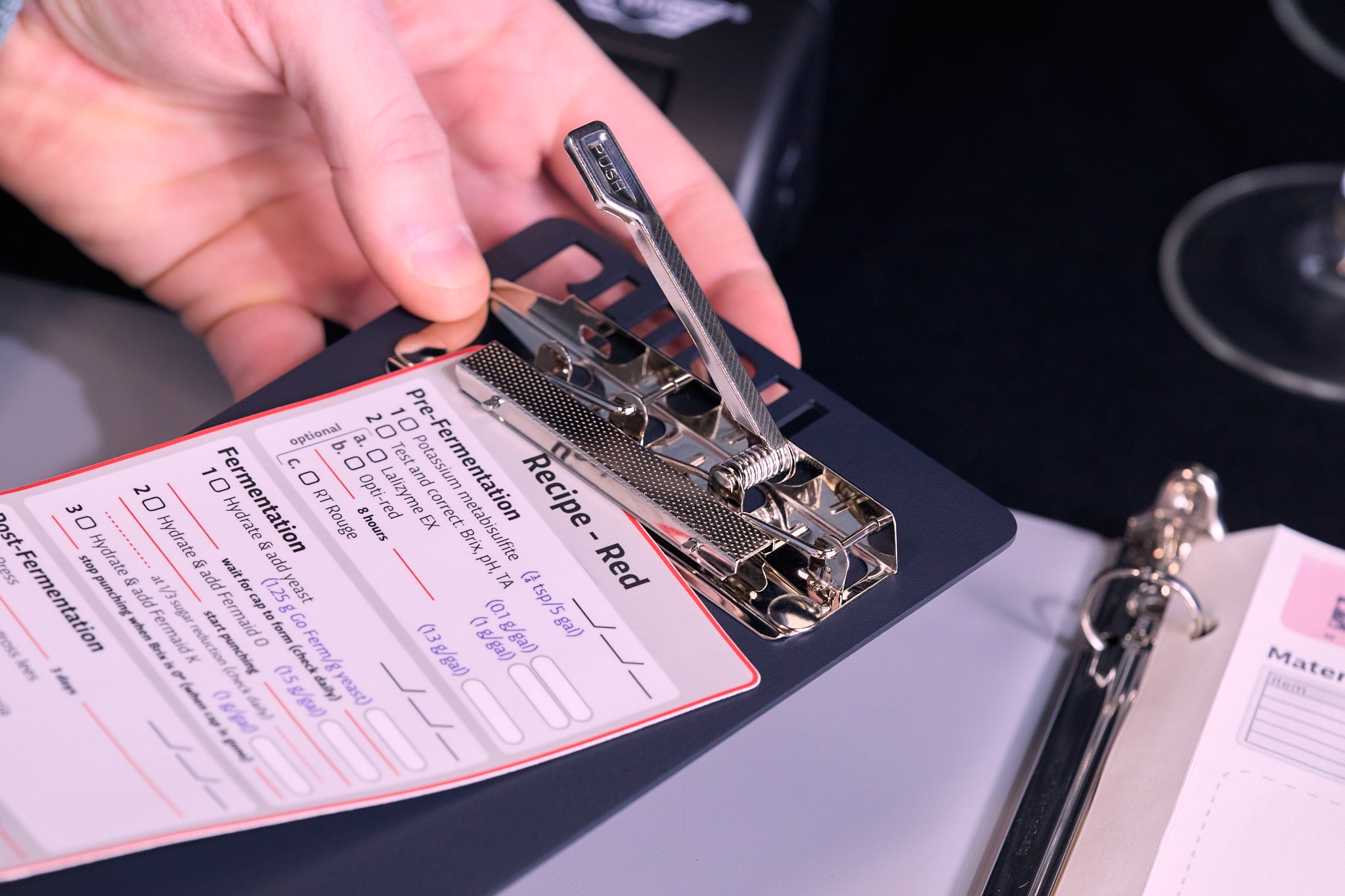
Card loaded into the Tracker clip - one-handed, no constant tension required
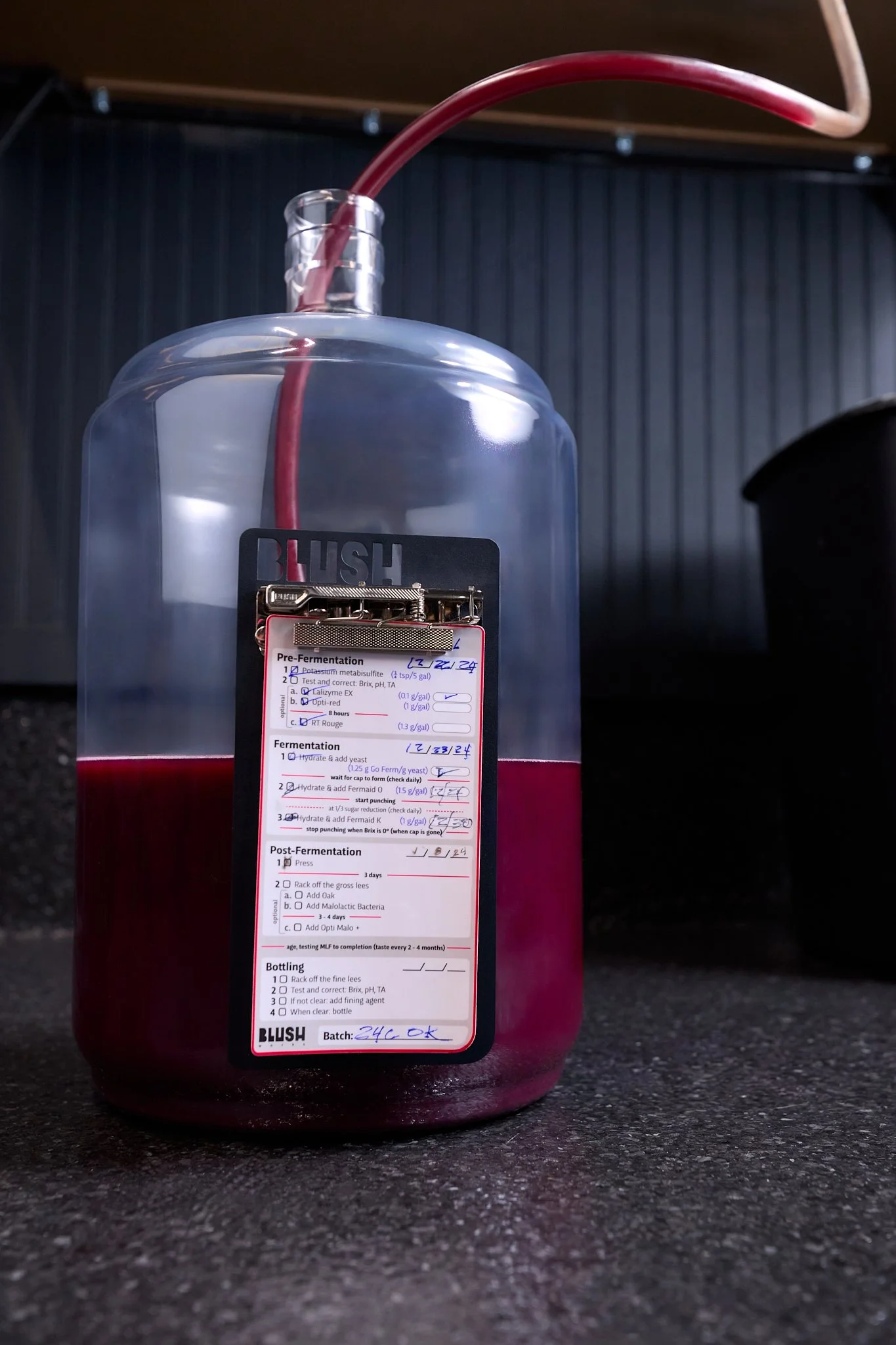
Tracker on a carboy mid-fermentation - information living with the active batch
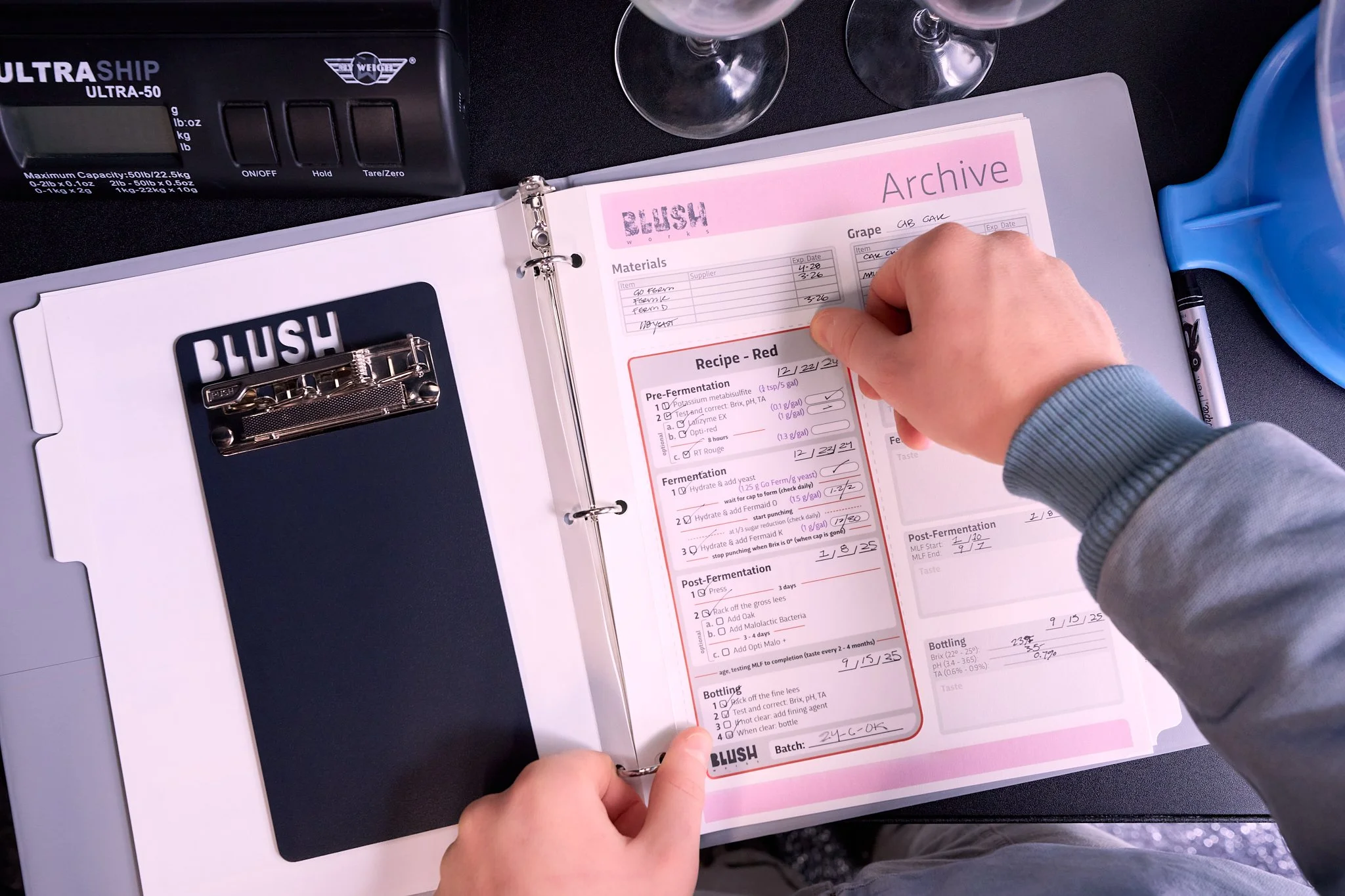
Recipe card transferred to the Archive Sheet post-bottling - creating a permanent record
Learn From Every Batch
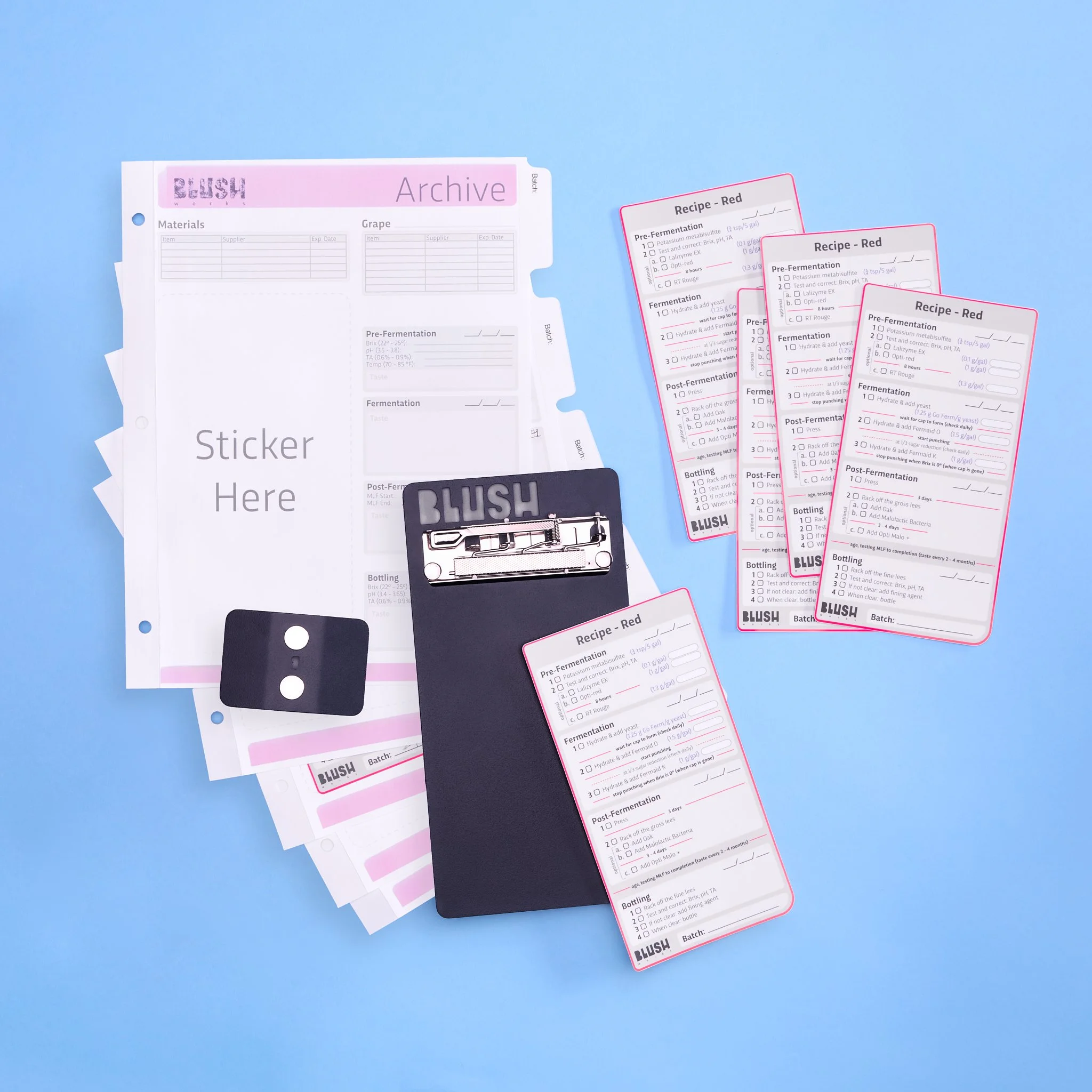
The Archive Sheet is where the Compass system completes its loop. The recipe card that travelled with the wine through fermentation transfers directly onto the archive as a permanent record - production data, steps completed, and dates all intact. Nothing needs to be re-entered or reconstructed from memory.
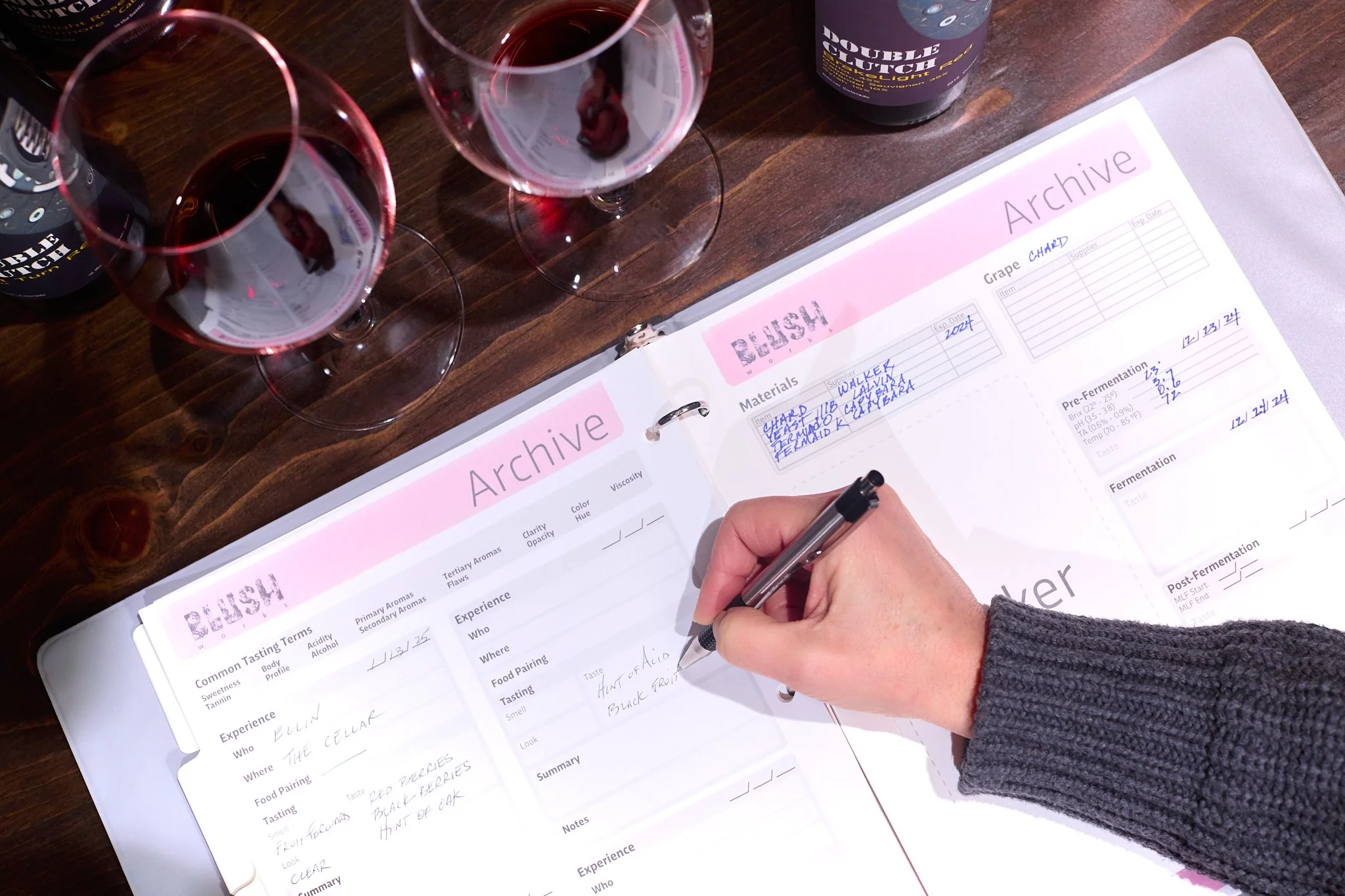
The back of each sheet is for tasting - structured enough to compare batches over time, open enough for the notes that don't fit neatly into fields.
The result is a record that builds itself as you make. Each batch adds a page; each page holds everything about that wine from first step to final glass.
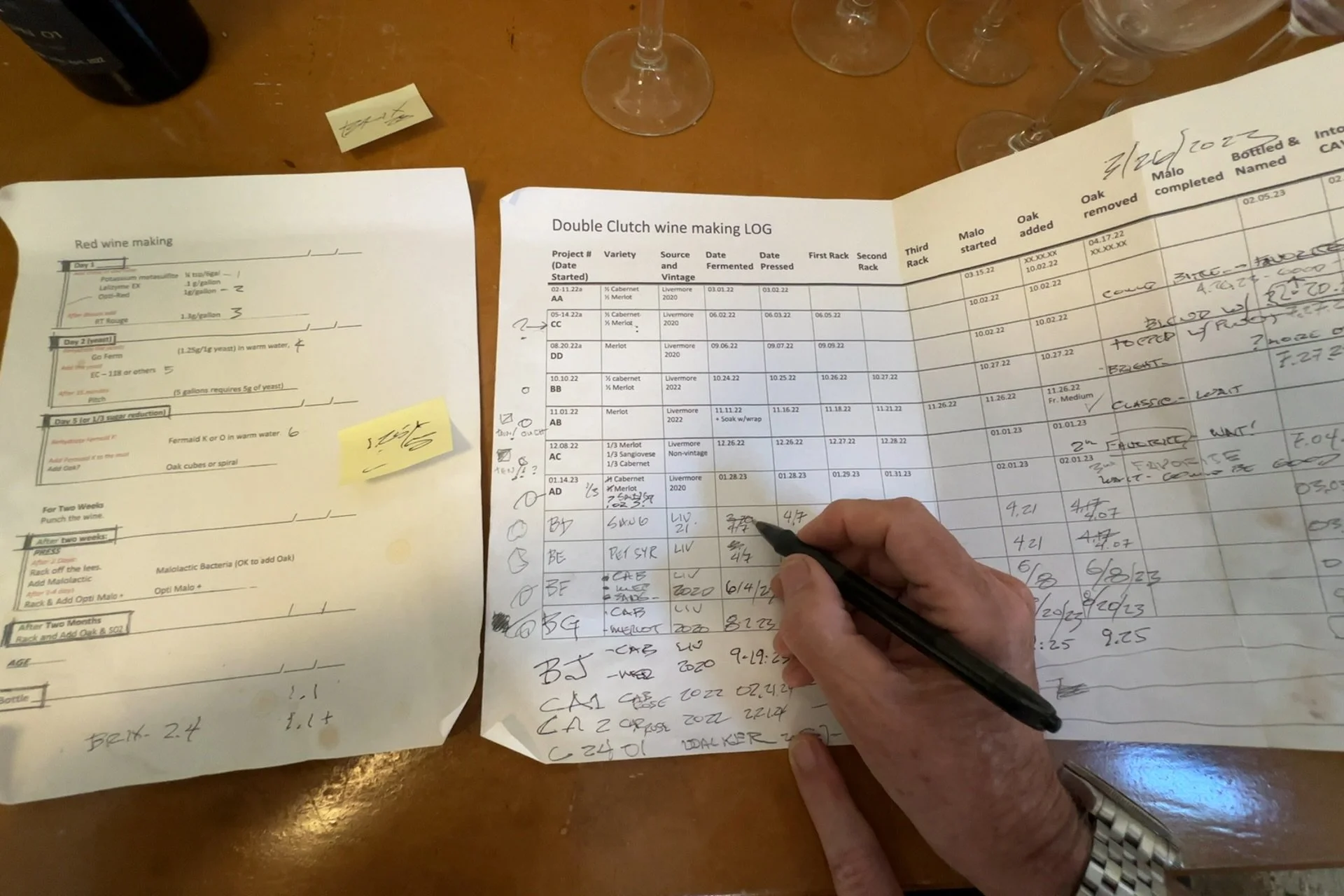
Original DIY tracking system - recipe (left) and batch tracking (right)
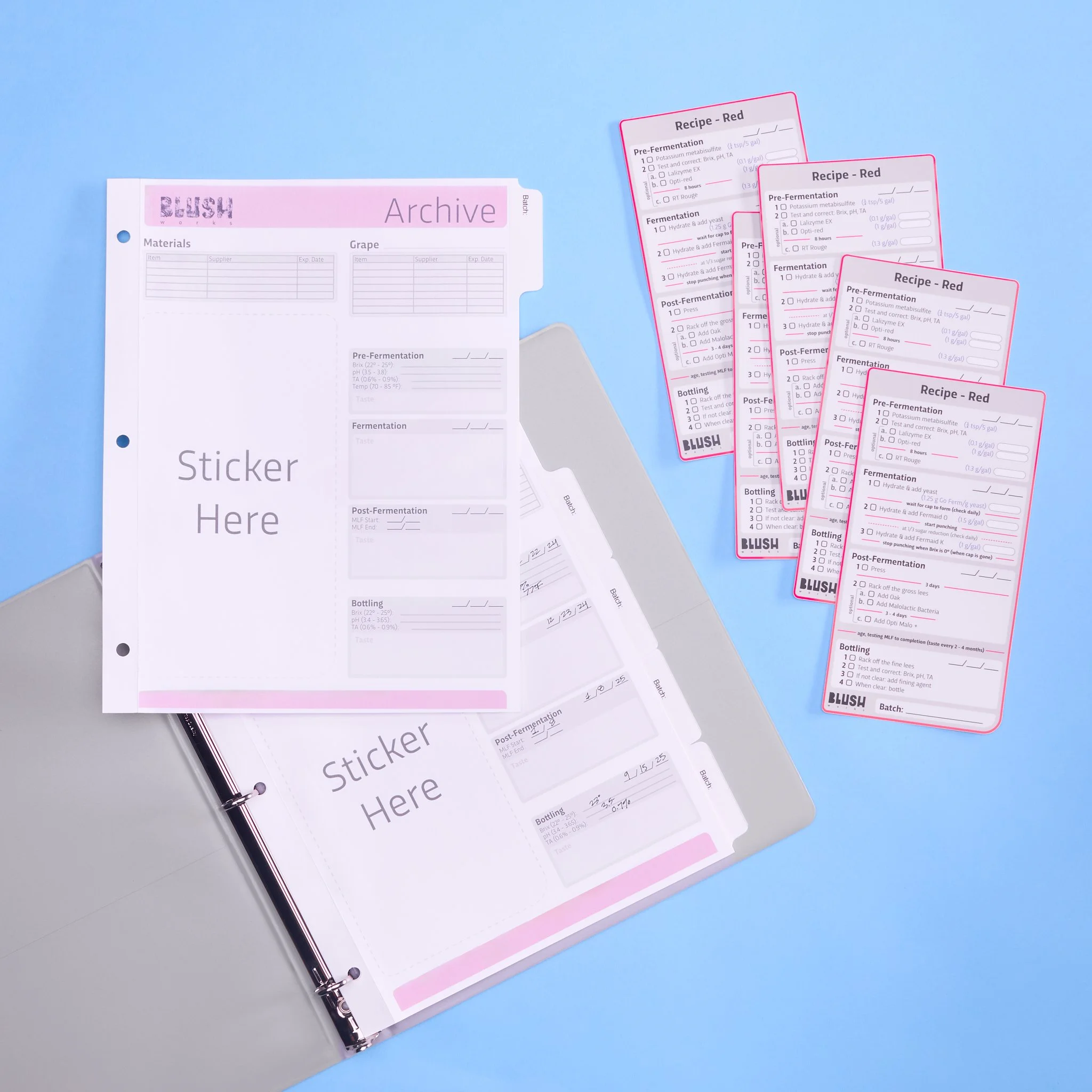
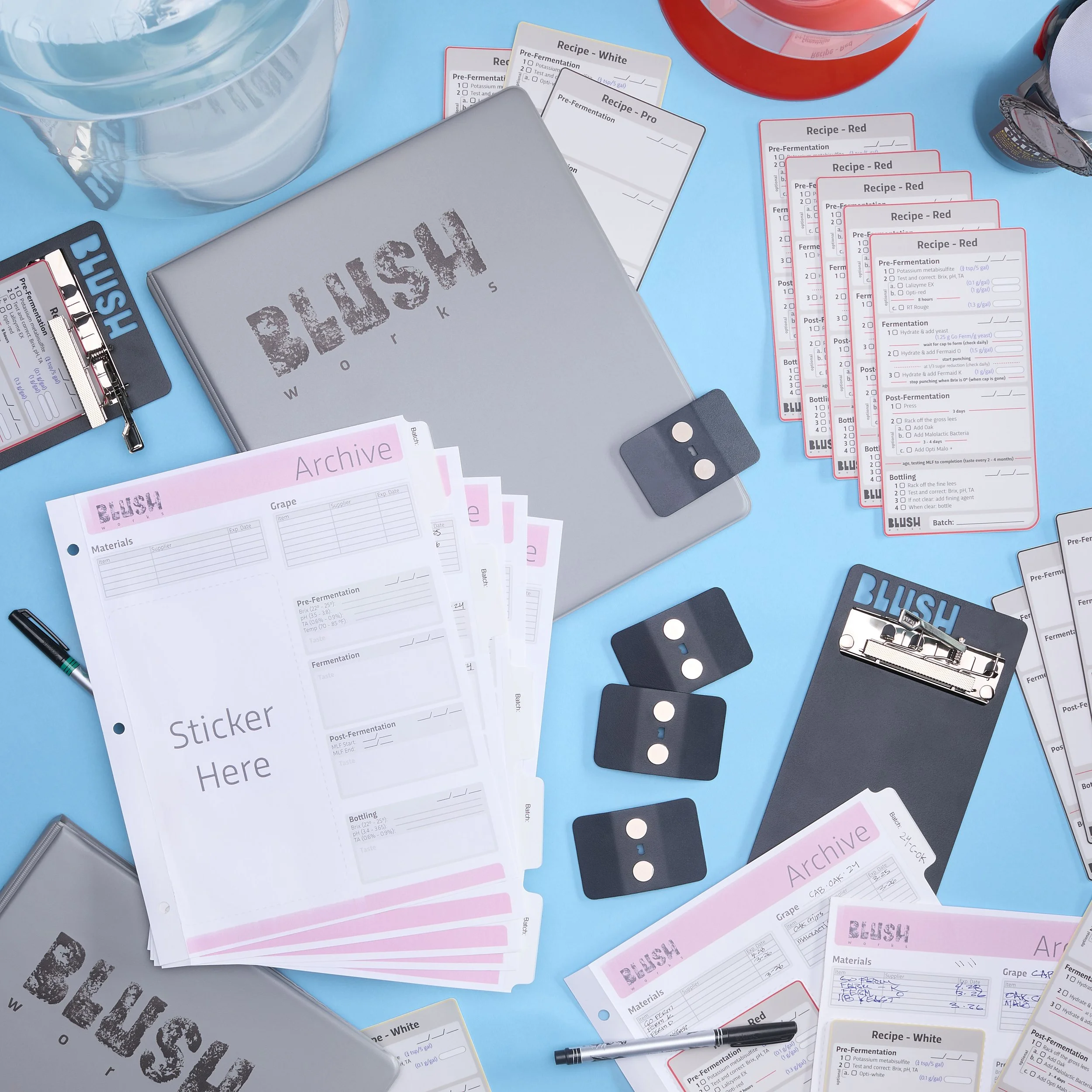
Complete system components - archive sheets and recipe cards
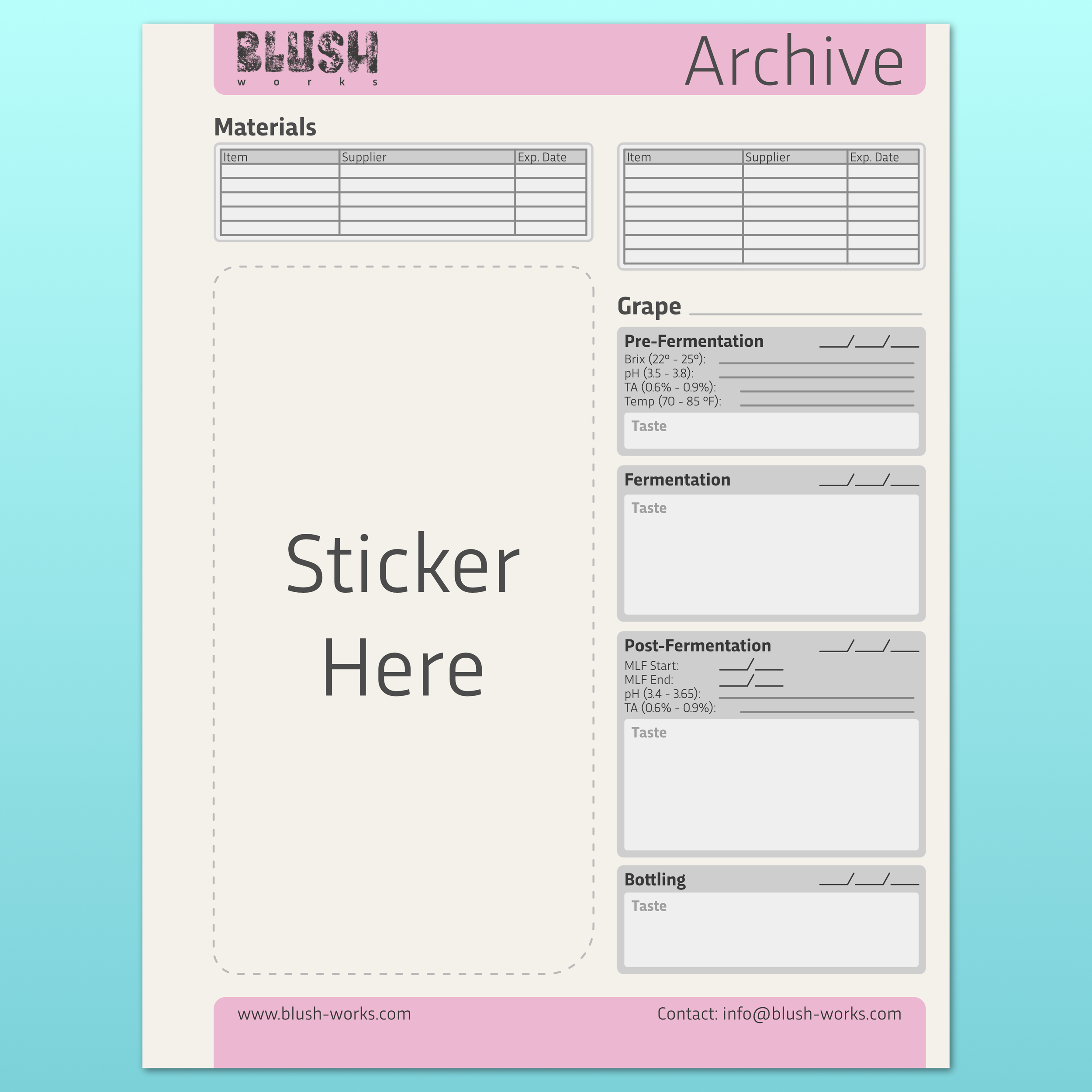
Archive Sheet front - production data and sticker zone for the transferred recipe card
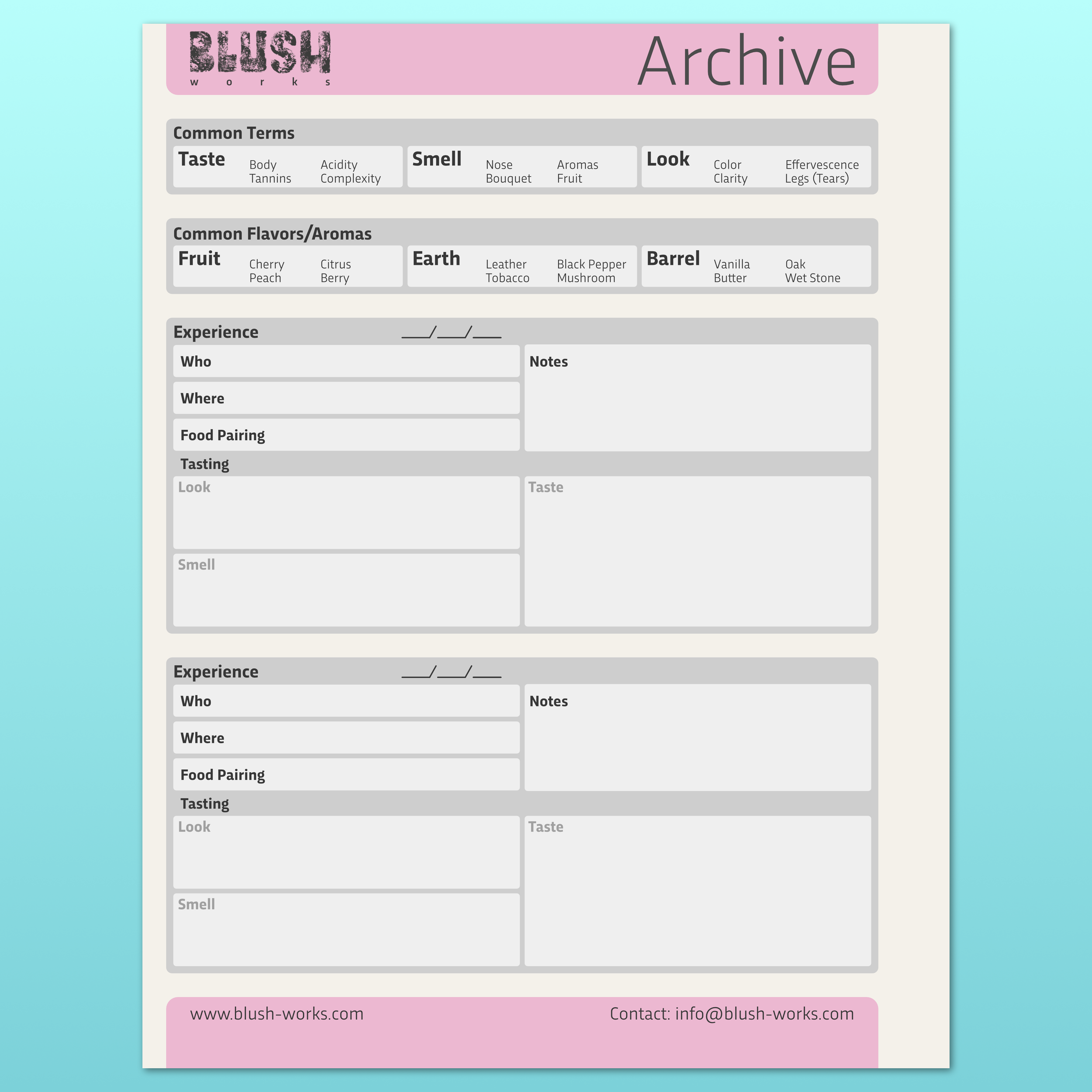
Archive Sheet back - structured tasting fields with space for years of additions
Outcome
Compass launched in 2025 as Blushworks' first product, sold direct-to-consumer through blush-works.com. The system is patent-pending. Early response at trade shows across the US validated both the product concept and the market gap it addresses.